PHOTO
TOKYO: Oil prices dropped more than 5% on Wednesday on the prospect of a possible ceasefire easing supply disruptions from the key Middle East producing region after reports the U.S. sent Iran a 15-point plan to end the war between them.
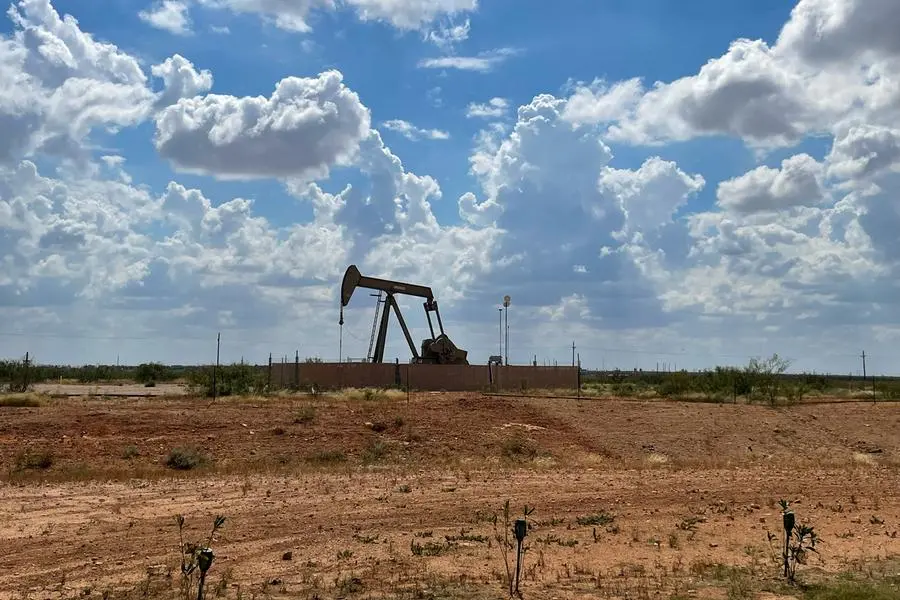
Brent crude futures fell $6.21, or 5.9%, to $98.28 a barrel by 0058 GMT, after declining to as low as $97.57. U.S. West Texas Intermediate (WTI) crude futures were down $4.67, or 5.1%, at $87.68 a barrel, after falling to as low as $86.72.
Both benchmarks rose nearly 5% on Tuesday, before paring gains in volatile post-settlement trading.
"Expectations of a ceasefire have risen slightly and profit-taking is leading the market," said Hiroyuki Kikukawa, chief strategist of Nissan Securities Investment, a unit of Nissan Securities.
"But the outlook remains uncertain as to whether negotiations will succeed, limiting selling," he added.
Should fighting resume and Iran's attacks extend to energy facilities in neighbouring countries or if pressure to close the Strait of Hormuz intensifies, oil prices could surge once again, he said.
U.S. President Donald Trump said on Tuesday the U.S. was making progressin negotiating an end to the war with Iran, while a source confirmed that Washington had sent Iran a 15-point settlement proposal.
Israel's Channel 2 said the U.S. was seeking a month-long ceasefire to discuss the plan, which includes the dismantling of Iran's nuclear program, ceasing support for proxy groups, and the reopening of the Strait of Hormuz.
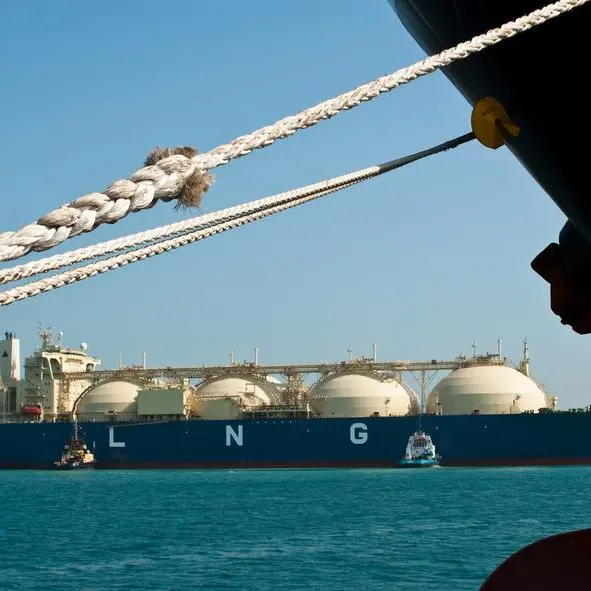
The war has all but halted shipments of oil and liquefied natural gas through the Strait, which typically carries about one-fifth of the world's gas and crude supply, causing what the International Energy Agency has called the biggest-ever oil supply disruption.
On Tuesday, Pakistan's prime minister said he was willing to host talks between the U.S. and Iran.
On Monday though, Iran denied engaging in negotiations with the U.S.
Iran has told the United Nations Security Council and the International Maritime Organization that "non-hostile vessels" may transit the Strait of Hormuz if they coordinate with Iranian authorities, according to a note seen by Reuters on Tuesday.
Still, U.S., Israeli and Iranian strikes continued and sources said Washington was preparing to send more troops to the region.
To offset the Strait of Hormuz disruptions, oil exports from Saudi Arabia's Red Sea Yanbu port rose to nearly 4 million barrels per day last week, a sharp increase from before the war broke out, shipping data shows. (Reporting by Yuka Obayashi; Editing by Christopher Cushing and Christian Schmollinger)