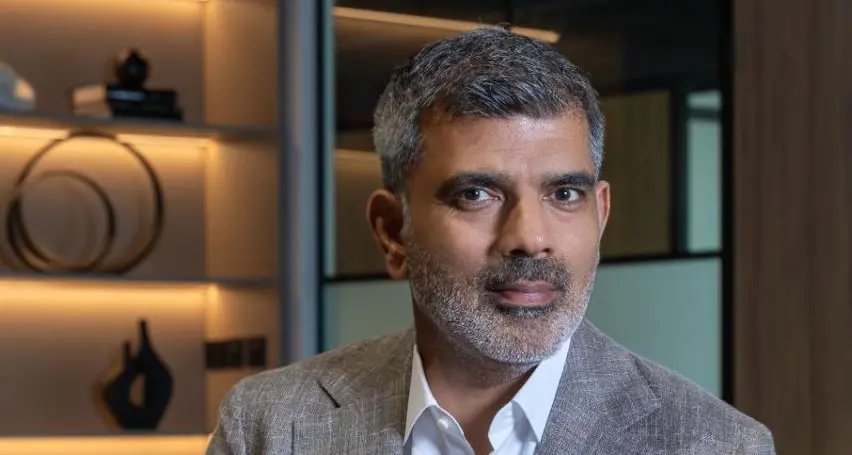
"Oman is a blank canvas, most people are not even sure where it is,2 says Michael Crawley, director of corporate events at Intervents, which has organised two "image raising" events in Oman in recent months, the Discover Oman Forum 2003 and the Oman International Rally.
Oman`s lack of image did not even help after September 11 when its already extremely modest visitor numbers plummeted in line with the global downturn in tourism. Now the country has decided it needs to make itself better known and in early October it allocated $30 million for international promotion over the next two years.
"It is a blank sheet," agrees John Dawson of International Development Ireland (IDI). His company was retained on a four year contract in July 2002 to assess how Oman can double the value of its tourism sector to Riyals 130 million ($333m) by 2010. Dawson believes Oman is lucky to be starting from scratch as it can shape its marketing and promotion the way it wants. He counts himself lucky to be promoting a country that, while little known, really does have a lot to offer. In his view Òit is a diverse country with mountains, sea, nature and history that is welcoming, interesting and unspoilt".
Not surprisingly a first step will be to give responsibility for a major branding exercise to an international specialist sometime in 2004. Representative companies are also to be appointed in key markets, which at this point are the UK and the German speaking countries of Europe, followed by the Benelux, Scandinavia and Australia.
Director of Tourism for the UK for the Oman Tourism Board (OTB), Alison Cryer is looking at the forthcoming WTM as the next major opportunity for some consciousness raising. "We can talk to the tour operators who include Oman, and to those who don`t, and try to get maximum number to include it in their 2005 brochures," she says.
"We have to accept reality that there are now 140 UK operators who include Dubai in their brochures and just 15 with Oman," she says but she believes that, while this underlines the need for action it also opens opportunities for joint activity. It is obvious that any country in the neighbourhood of Dubai can`t fail to notice how much attention and business it is winning and that "piggy-backing" is a good idea.
"They are two very different but complementary destinations," says Cryer, who is keen to highlight Oman`s Indian Ocean location and its stunning mountains.
In an effort to boost activity in 2004 she is making heavy use of a new DVD highlighting Oman`s natural beauty and historic features to attract incentive and niche business. Once she gets Oman on to the radar screens of the operators and travel agents Cryer wants to boost consumer awareness with lots of travel page coverage. She says some consideration is being given to TV coverage but as yet Oman does not yet have a brand strategy ready and she feels it cannot really get the message over in 20-30 second spots. For now she believes editorial coverage is a more effective approach. Dawson says a new sophisticated website will be another marketing tool.
In common with virtually all the Gulf States today, Oman is looking to international sporting events to boost its profile. Dubai was first into the big name sports events but now Bahrain is trumpeting its Grand Prix while Qatar has the Asian Games and two newly announced international yachting events. Oman has plumped for rally driving, an event where its rugged environment provides a natural advantage.
"With this year`s event we had to prove that we were capable of organising a Middle East Championship event, which is now planned for 2004," says Crawley, Òand then we hope to move on to a fully fledged international rally."
Crawley was happy that current efforts to boost domestic tourism dovetailed so well with the rally. The domestic tourism department at Oman`s Ministry of Commerce and Industry has been working hard to make Oman`s historic forts more accessible and interesting. "When we are an International Rally stage we will continue to use the forts and this will give them the fantastic exposure that comes from being included in the Sony PlayStation game that features all the international rallies."
The rally represents quite change from the traditional approach to tourism in Oman where the focus has always been on culture, history and the quiet life. "For foreign tourists Oman is largely an elderly market mix, they don`t want nightclubs, lots of children on the beach, they want peace and quiet and a luxury accommodation," says Al Bustan Palace Intercontinental general manager Malcolm Rann.
However times are changing for the country and for its hotels. When Al Bustan Palace opened in 1985 it was the most luxurious hotel property in the Middle East. Now, although it has been well maintained, Rann says it is time to catch up with the luxury properties that have come on the scene in Dubai and Lebanon. He says an extensive spa addition, due to be ready by 2004, will put the hotel back with the top regional players, and with the lavish new properties coming on stream in Oman itself.
The luxury Chedi Muscat is already offering competitive packages for the 2003-04 autumn/winter season while the Shangri-La Hotels and resorts is pulling out the stops at its Barr Al Jissah Resort & Spa, which is due to open in July 2005. Located on a 124-hectare site to the south of Muscat, the resort will have three luxury hotels with a total of 680 rooms, deluxe villas, conference centre and ballroom plus a heritage village, spa and sports facilities.
Domestic tourism is also gaining in importance and this could present a challenge to traditional ideas of what Oman should offer to equal the roar of fast cars. In October the Discover Oman Forum brought together all players in the industry to see how things can be done better. One issue that is looming is the changing nature of the local population. Oman has a very young population and currently anyone wanting a taste of the high life has to go to Dubai. The government has generally been happy to keep it that way although it is now giving support to local festivals that offer both locals and Gulf visitors the chance for some home-grown fun, and they are increasingly turning to the professionals for their organisation.
Dubai-based Berit Media and Production won the job of organising the 2003 Muscat festival which ran from January 6 to February 14 2003, pulled in 1.5 million visitors and had hotels fully booked as Gulf and local tourists came for its mix of sport, music, dance, exhibitions and children`s activities.
The Khareef Festival in Dhofar province is also proving popular with local and regional tourists. It runs for 48 days over the summer and includes a Heritage Village, amusement part and exhibitions backed up with concerts, folklore, handcrafts and a special emphasis on local food specialties. In another effort to distinguish itself from its neighbours, Oman is trying to capitalise on the summer monsoon period in Dofar that offers cool, damp weather when the rest of the region is sweltering. The Six Continents group is now renovating its Salaleh property and has rebadged it as a Crowne Plaza ready to take its share of the summer traffic but Rann says the challenge is to win custom in the other nine months of the year.
Rann is delighted with Oman`s new marketing effort. Six Continents Hotels (Oman) has six properties, two Intercontinentals, two Crowne Plazas and two Holiday Inns, making up 60% of OmanÕs quality room inventory and it has worked hard to market the country, doing its own promotions and working with Oman Air on "Magic of Muscat" packages but he sees great possibilities once the whole industry is working together.
Oman Air is also stirring, offering packages to regional groups and adding direct flights from Dubai to Salaleh. It has also launched direct flight from Dubai to Khasab on the Musandam Peninsula in co-ordination with the opening of the Golden Tulip hotel. The Golden Tulip is modest in size with just 65 rooms but it is the peninsula`s first five star property and comes with sporting and conference facilities, making it an ideal location for an incentive package with a real difference.
As it develops its facilities and works a lot harder to solve the "where is it?" issue, Oman still has to deal with the "getting there and getting in" challenge. It has taken major steps to liberalise visas in recent years and now allows visitors from some 72 countries to obtain their visas on arrival. Industry observers still feel the process on arrival is too slow and, combined with the lack of non-stop flights from Europe, could hold back developments. As ever, they are looking over their shoulders at Dubai, which has the access and entry combination down pat. If Oman can pick up some of Dubai`s speed and efficiency while retaining its own laid back warmth and sense of tradition, it could be on to a winning combination.
© Gulf Marketing Review 2003