Saturday, May 01, 2010
Gulf News
Dubai UAE's landscape is still rich in ancient architectural forms, the best example of that is the wind towers that locally known as Barjil (singular and Barajeel for plural). The barajeel form an essential architectural aspect and mirror the spirit of the people.
The Barjil is a natural fan that originated in Iran according to sources and made of concrete, wood, coral stone and plaster, it is like a wind tower, and is built higher than the houses.
It uses the basic knowledge that hot air rises. The tower allows the hot air in the house to rise and allows flow of cool air into the house through the doors and windows. the position of the tower as well as the doors, windows and courtyard plays key roles in keeping the house cool.
Barajeel come in different designs, such as the famous forms of uni-directional, bi-directional, and multi-directional.
Prismatic form
Barajeel architecture in the emirates have a prismatic form, and they are open on all four sides, it comes into four columns and fixed on the house. The design of the tower helps to bring the air inside. Barajeel, varies in design and height from house to house depending on the taste and style of the owners.
However, the design of the layout and natural materials facilitate the flow of cool air into the interiors. The Barjil was professionally built to stand the tough changes of hot climate of the gulf and even today there are many examples of Barajeel still standing, in the changeable climate and excessive humidity, due to the authenticity of the materials used.
The traditional ancient Bastakiya in Dubai still tells a lot of stories about the past, about this district and remains preserved by the Dubai government and serves as a tourist attraction.
It reflects the history and the way of life of the Emirati people in a bygone era. For example the city was famous for a lot of Barajeel.
The Bastakiya is also rich with old style construction of museums, cultural centres and a series of art galleries that introduce talented Emiratis and gives them international recognition.
On the other hand, Sharjah Heritage Area is another genuine example of ancient Emirati architecture. It allows a visitor to learn of the style and designs of the yesterday's buildings.
The Heritage area combines local markets and small museums. This vintage district shows the commitment of the Emirate towards its heritage and culture.
For example, Barajeel are clearly seen in the Sharjah central souq. Here the wind towers have been used only to grant the Building a traditional identity.
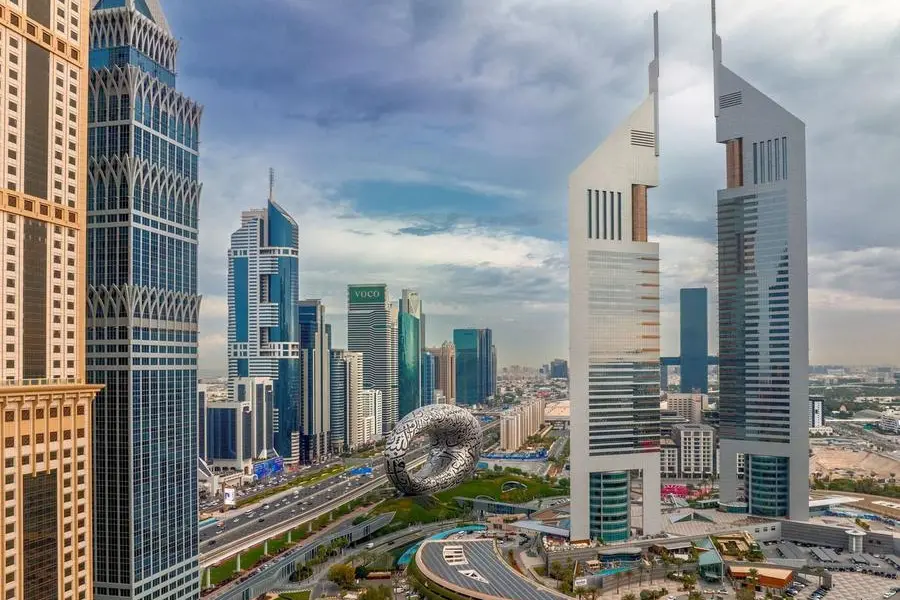
nowadays Barajeel are not a necessity, however, they will always remain as an essential architectural feature of the UAE identity and can be seen in the contemporary buildings, only as an aesthetics.
The UAE is currently seeing a resurrection of traditional architectural designs aimed at preserving the country's cultural identity.
This is something the government has been working tirelessly to keep alive.
By Fatma Salem
Gulf News 2010. All rights reserved.