Tuesday, May 29, 2012
(This story was originally published Monday.)
By Leila Hatoum
Of ZAWYA DOW JONES
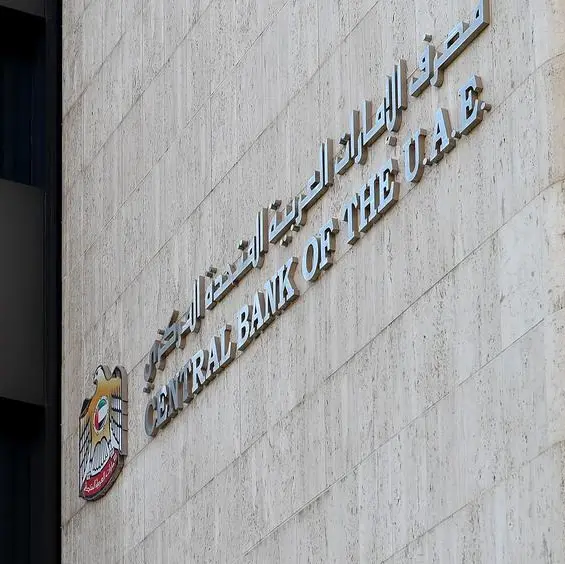
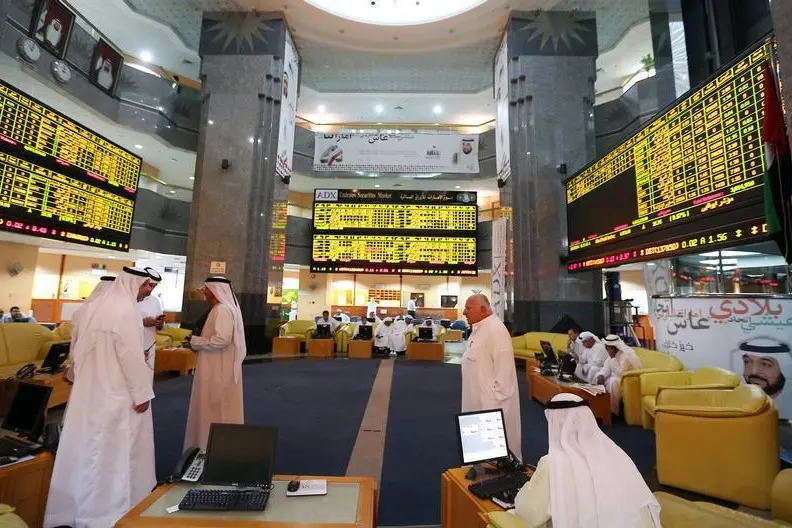
DUBAI (Zawya Dow Jones)--Sovereign wealth funds and other government entities in the United Arab Emirates greatly increased their overseas investments during 2011 as higher oil prices led to a large rise in the country's balance of payments surplus, new figures from the U.A.E. central bank indicate.
Capital outflows from U.A.E. public sector entities rose to 95 billion U.A.E. dirhams ($26 billion) in 2011 from AED10 billion in 2010, according to the recently-released central bank annual report for 2011. That was the highest outflow since 2008, when the global financial crisis led to a sharp drop in the U.A.E's oil revenues.
Economists said the jump in capital outflows last year likely reflected higher overseas investments by the Abu Dhabi Investment Authority, which invests the emirate's surplus oil income in overseas markets, and by other wealthy government-owned investment vehicles such as the International Petroleum Investment Co., which invests in oil and gas ventures overseas, and Mubadala Development Co., which leads the Abu Dhabi government's diversification strategy away from the oil and gas sector.
High oil prices last year pushed up the U.A.E.'s total hydrocarbon exports to AED409.9 billion, up 50% from AED274.1 billion in 2010. The country's current account surplus rose to AED292 billion from AED180 billion, the central bank report said.
"When oil prices are high, the surplus of oil money goes to sovereign wealth funds, and other government controlled entities, and they invest that money abroad," commented Giyas Gokkent, chief economist at the National Bank of Abu Dhabi. "Since the local economy has a certain level of absorption capacity, any surplus is automatically invested abroad," he added.
Oil prices rose sharply last year as a result of the disruptions to Libyan oil output and concerns about worsening political relations with Iran.
Gokkent said ADIA, the largest sovereign wealth fund in the UAE, invests mostly in the U.S. and Europe. According to ADIA's annual report for 2010, the latest available, some 80% of the wealth fund's assets are managed by external fund managers. ADIA doesn't disclose the total size of its assets under management, nor a breakdown of its investments, but the report shows that ADIA has divisions specializing in equities, fixed income, real estate, alternative invesments, private equity and infrastructure.
Mohammed Ali Yasin, a U.A.E.-based economist, cautioned that not all the AED95 billion of capital outflows last year reflected overseas investments. Some of the outflow might reflect debt repayments or other commitments by U.A.E. public sector entities, he said.
The net investment income of U.A.E. public sector enterprises rose 14% to AED25.1 billion last year, from AED22 billion in 2010, the central bank report said.
Capital outflows from U.A.E. public sector entities peaked in 2007 at AED175.8 billion, before dropping to AED108.2 billion in 2008 and only AED20.0 billion in 2009, according to previous central bank reports.
Abu Dhabi is by far the wealthiest of the seven emirates that make up the U.A.E. due to its substantial oil production.
-By Leila Hatoum, Dow Jones Newswires; +971-4-446-1686; leila.hatoum@dowjones.com; Twitter @ZDJnews
Copyright (c) 2012 Dow Jones & Co.
(END) Dow Jones Newswires
29-05-12 0352GMT