DUBAI: Rising tension between Iran and the West is increasing political and economic risks for sovereign and corporate issuers in the Middle East and focusing attention on the key role of the Strait of Hormuz in trade for the Gulf, says Standard & Poor's Ratings Services in a series of three new reports.
In response to tougher sanctions, including a boycott of Iranian oil exports by the EU, Iran has threatened retaliation, notably in the form of a blockade of the Strait of Hormuz, a conduit for the flow of oil and gas out of the Gulf.
So far, these threats have been verbal, but analysts are not ruling out the possibility that the current exchanges of rhetoric could spark disruptions to trade flowing through the Strait, or even in an extreme scenario, military confrontation.
"At this time, we think the current developments in relation to Iran are captured in our ratings on countries and corporate issuers in the region and so we do not expect any immediate actions," S&P said.
It said in the absence of a diplomatic solution, we believe Iran could respond in some way to the latest wave of sanctions and international pressure, most likely -- and past behavior suggests this -- through low-level provocation.
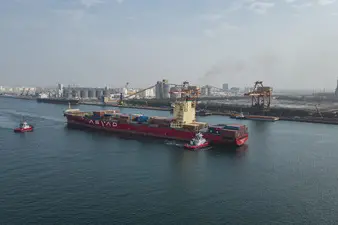
For example, Iranian authorities could slow shipping through the Strait of Hormuz and disrupt the timely supply of oil from the Gulf by imposing tanker inspections, boarding merchant ships, and otherwise obstructing shipping routes in its territorial waters.
Such low-scale provocation and simmering tension would in our view keep oil prices at their currently high level. This is because markets would increasingly view the specter of armed conflict as a real, if remote, possibility.
"For oil-producing sovereigns of the Gulf Cooperation Council - Saudi Arabia, UAE, Qatar, Kuwait, Oman, and to a lesser extent, Bahrain -- higher oil prices would actually be beneficial," said Standard & Poor's credit analyst Elliot Hentov. "As oil exporters, they would receive more foreign earnings that they could either use to stimulate demand or improve their government's balance sheets."
In contrast, the fiscal and external balances of oil importers in the Middle East -- especially Jordan, Egypt, and Lebanon -- are already stretched. As such, they are ill prepared for a further rise in oil prices. Furthermore, countries in need of attracting investor appetite in 2012, such as Egypt, could suffer from an elevated risk premium in their debt financing. Other nonoil trade could also be affected because of higher transaction and logistics costs for shipping imports into the Gulf states through the Strait of Hormuz.
© Arab News 2012