AMMAN - Lawmakers on Sunday endorsed the draft law of the Royal Film Commission, which will serve as a gateway for international filmmakers who wish to produce films and related products in the Kingdom's versatile landscape.
"The draft law was introduced due to the role of the cinema and television industry... and to take advantage of this industry to attract investments to the Kingdom," the government said in a letter attached to the bill.
The law paves the way for the creation of an independent commission to promote the Kingdom as a film production destination and to create an investment climate to develop cinema, television, radio and other projects linked to this industry.
The commission, whose head will be appointed by the Cabinet, will also work to support projects that seek to improve this sector in the Kingdom.
Information on possible shooting locations, weather, an industry data bank and other logistics will be provided by the commission, which will also conduct studies and research on related issues.
During yesterday's session, lawmakers also referred the Jordan Chamber of Agriculture draft law to the concerned committee for review and recommendation.
The new entity will work to protect farmers' interests, participate in related policy making and promote Jordanian products abroad.
The chamber will be entitled to issue work licences and act as an arbitrator between feuding members. It will also provide necessary data on agriculture and train members on issues to improve the quality and quantity of produce.
The agriculture sector in Jordan has been reeling under mounting challenges in the past few years brought on by drought and tough competition from outside production.
But farmers insist that the Kingdom's climate, which allows production throughout the year, gives them an edge to compete with other countries.
Earlier this year, the farming sector was dealt a heavy blow after around 120,000 dunums planted with fruit and vegetables were severely stricken by the worst frost spell to hit the country in 16 years.
Earlier this month, the government disbursed financial compensation totalling JD9.3 million to more than 5,000 farmers in the Jordan Valley and Ghor areas whose crops sustained damage.
Deputies also began deliberating an amendment to the Aqaba Special Economic Zone Authority (ASEZA) temporary law, introduced by the government in 2002.
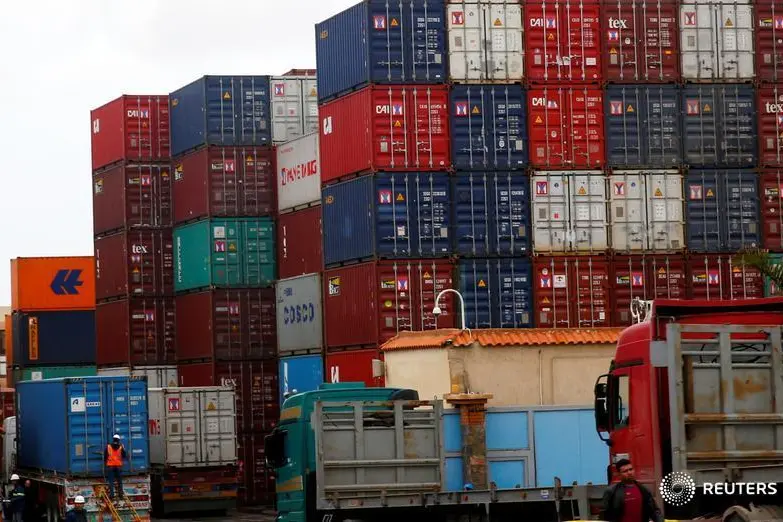
The amendment links the post of ASEZA deputy to the Cabinet and gives the authority legal jurisdiction to monitor imported and exported food items that go through the port city of Aqaba.
Aqaba was turned into a special economic zone in 2000 in a bid to turn the city into a commercial hub.
The area, which was granted administrative independence and given economic incentives to thrive, has since attracted investments worth more than $10 billion.
By Mohammad Ben Hussein
© Jordan Times 2008