PHOTO
29 November 2016
By Vinod Nair
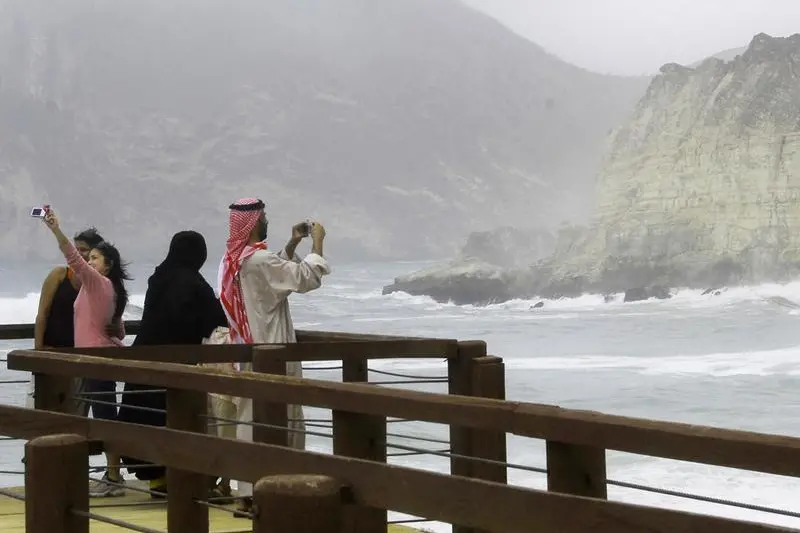
MUSCAT: The results released by the tourism ‘Lab’ of Tanfeedh programme has suggested that Oman needs to increase its international tourist arrivals from the current 1.9 million to 2.7 million. It has also sought special visa facilities for new target markets, which need to be implemented immediately. It added that tourism represents in average over two per cent of Oman’s total GDP over the last six years. The Lab findings said, “Oman is ranked fifth among GCC countries in overnight tourist arrivals and attracts only four per cent of the 49 million visitors to the region.”
Setting a target by 2020, there is a need for investment worth RO 1.8 billion along with a target of 10,000 more jobs for Omanis in the tourism sector.
Apart from the establishment of a centralised infrastructure board, the Lab has suggested a privatization of over 500 forts and castles in Oman and other over 800 cultural and heritage sites.
Setting the target, the Lab has set around 2.1 million international tourists by 2017, which will increase to 2.7mn by 2020.
It said the Oman’s tourism sector’s most serious challenges include insufficient hotel rooms, lack of qualified tourism staff, low hotel price competitiveness, demanding visa requirements, underperforming quality of air transport, narrow air or surface transport and lack of prominence for business tourism.
“Oman has done well to attract leisure and recreation tourists particularly from the GCC, but there is still chance to grow its share from the Middle Eastern, Asian and European markets,” it said.
There is still a scope to increase demand as hotels are operating below optimum level of occupancy, the findings said.
The factors that need to be streamlined include the complex and lengthy process of approvals, applications and licences for new and existing projects, lack of innovative tourism projects, marketing and promotion activities.
It also called for more incentives to generate interest from Omani youth to take part in tourism sector employment.
By Vinod Nair
MUSCAT: The results released by the tourism ‘Lab’ of Tanfeedh programme has suggested that Oman needs to increase its international tourist arrivals from the current 1.9 million to 2.7 million. It has also sought special visa facilities for new target markets, which need to be implemented immediately. It added that tourism represents in average over two per cent of Oman’s total GDP over the last six years. The Lab findings said, “Oman is ranked fifth among GCC countries in overnight tourist arrivals and attracts only four per cent of the 49 million visitors to the region.”
Setting a target by 2020, there is a need for investment worth RO 1.8 billion along with a target of 10,000 more jobs for Omanis in the tourism sector.
Apart from the establishment of a centralised infrastructure board, the Lab has suggested a privatization of over 500 forts and castles in Oman and other over 800 cultural and heritage sites.
Setting the target, the Lab has set around 2.1 million international tourists by 2017, which will increase to 2.7mn by 2020.
It said the Oman’s tourism sector’s most serious challenges include insufficient hotel rooms, lack of qualified tourism staff, low hotel price competitiveness, demanding visa requirements, underperforming quality of air transport, narrow air or surface transport and lack of prominence for business tourism.
“Oman has done well to attract leisure and recreation tourists particularly from the GCC, but there is still chance to grow its share from the Middle Eastern, Asian and European markets,” it said.
There is still a scope to increase demand as hotels are operating below optimum level of occupancy, the findings said.
The factors that need to be streamlined include the complex and lengthy process of approvals, applications and licences for new and existing projects, lack of innovative tourism projects, marketing and promotion activities.
It also called for more incentives to generate interest from Omani youth to take part in tourism sector employment.
© Oman Daily Observer 2016