PHOTO
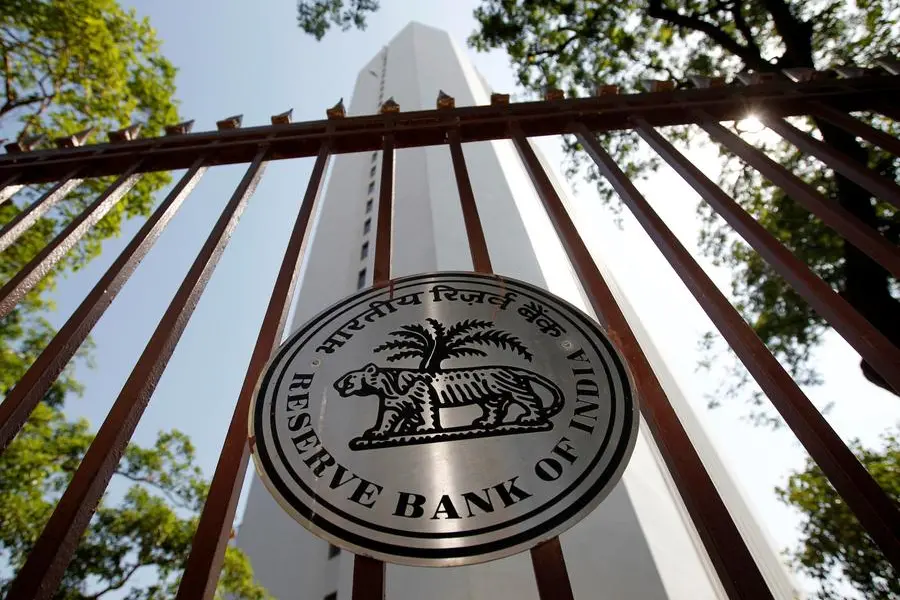
MUMBAI: The Reserve Bank of India kept its key policy rate unchanged on Wednesday as it awaits clearer evidence of the impact from the Iran war on the South Asian nation's economy.
While risks to growth and inflation have risen due to the Middle East crisis, the rate panel chose to "wait and watch", RBI Governor Sanjay Malhotra said while announcing the policy decision.
The RBI's six-member monetary policy committee voted to keep the repo rate steady at 5.25%.
All six members of the rate panel, which includes three central bank officials and three external appointees, voted to hold rates. The MPC also decided to continue with the "neutral" stance.
Sixty-nine of 71 economists in a March 23–26 Reuters poll forecast the Reserve Bank of India would keep the benchmark repo rate unchanged.
Since the last policy meeting, geopolitical uncertainties have risen, Malhotra said. While inflation remains in check, upside risks have risen and the possibility of second round effects of oil price increases renders the outlook uncertain, he said.
High frequency indicators suggest India's economy remains strong but higher oil prices and shortages of key inputs like gas could impact this momentum, the governor said.
The supply shock being faced by the economy could turn into a demand shock, Malhotra said.
World oil prices fell sharply in Asia on Wednesday after U.S. President Donald Trump agreed to a two-week ceasefire with Iran, but they remain well above levels a few months ago.
WEAKER GROWTH, HIGHER INFLATION
The central bank released its first economic forecasts for the current financial year, with GDP growth forecast to fall to 6.9% in 2026-27 from an expected 7.6% in the year ended March 31, 2026.
Average inflation for the year is seen at 4.6%, within the central bank's target band of 2-6%. For the 11 months of 2025-26 for which data is available, average inflation was at 1.95%.
The central bank also, for the first time, offered a forecast for core inflation, which it sees at 4.4% this financial year.
India's economy was forecast to grow by more than 7% in the fiscal year that began on April 1, according to government estimates released in February, while inflation was expected to remain close to the central bank's target of 4%.
India's benchmark 10-year bond yield moved slightly higher to 6.92% after the policy decision, while the rupee was largely unchanged around 92.54. Benchmark equity indexes were also largely unchanged after the decision and held on to their 3.6% gains for the day.
(Reporting by Jaspeet Kalra and Abinaya V in Mumbai; Writing by Ira Dugal; Editing by Kim Coghill and Mrigank Dhaniwala)