PHOTO
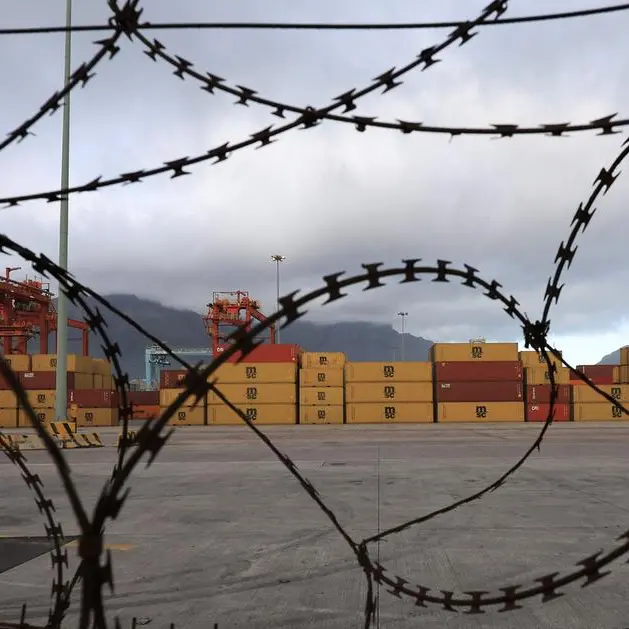
China's yuan steadied around a four-month high against the dollar on Thursday, underpinned by seasonal demand and signs of improving diplomatic relations with major trade partner Australia. Market sentiment has improved after Reuters reported, citing sources, that China's state planner has allowed three central government-backed utilities and its top steelmaker to resume coal imports from Australia, the first such move since Beijing imposed an unofficial ban on coal trade with Canberra in 2020. "The trade tension with Australia may see a potential thaw," analysts at Commerzbank said in a note.
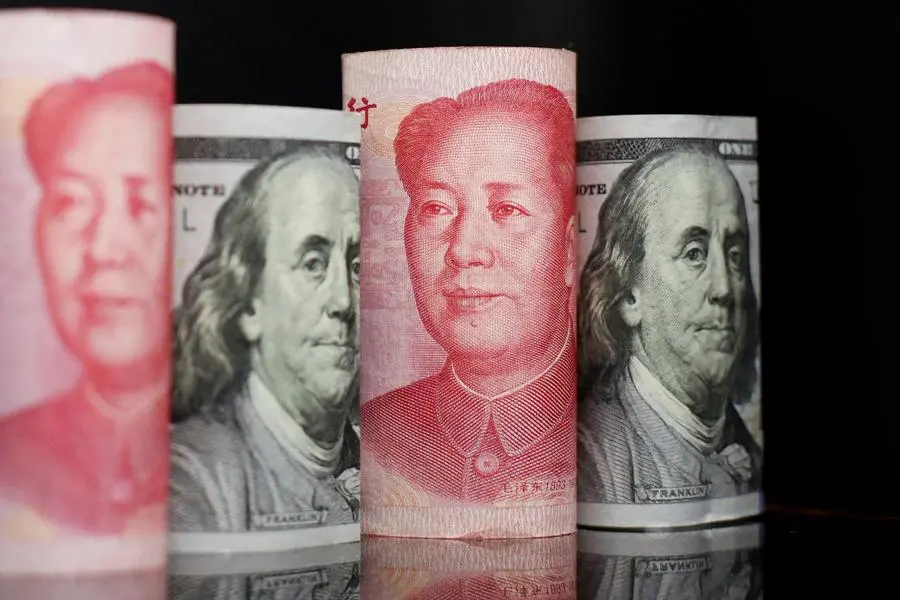
"This also comes at a time when global competition for energy commodities has intensified following the Russia-Ukraine war and as China seeks to gain energy security." Prior to the market opening, the People's Bank of China (PBOC) set the midpoint rate at a fresh four-month high of 6.8926 per dollar, 205 pips or 0.3% firmer than the previous fix of 6.9131. In the spot market, the onshore yuan opened at 6.8860 per dollar and was changing hands at 6.8862 at midday, 104 pips firmer than the previous late session close. It was not far from a more than four-month high of 6.8733 hit on Tuesday. Currency traders said heavier seasonal demand for the Chinese currency continued to play a big role in supporting the yuan, as exporters start to convert their FX receipts into the local currency for various payments for orders and bonus handouts ahead of the Lunar New Year holidays.
The week-long holiday starts from Jan. 21 this year. The traditional higher seasonal cash demand and recent official pledges to boost the struggling economy have raised market speculation of possible reductions to policy rates and the amount of cash banks must set aside as reserves, traders said. The liquidity shortfall in January could be around 3.3 trillion yuan ($479.34 billion), meaning that "the central bank could cut the reserve requirement ratio (RRR)," said Zhang Wei, analyst at Founder Securities, adding there was also a possibility of policy rate cuts.
Separately, late night trading was rather tepid after the PBOC started to extend interbank FX trading hours from Tuesday. China Foreign Exchange Trade System (CFETS), which is overseen by the central bank, said volume in the extended hours totaled $128 million on Tuesday, according to an online statement published on late Wednesday, about 0.43% of the whole day's volume. By midday, the global dollar index fell to 104.139 from the previous close of 104.248, while the offshore yuan was trading at 6.8936 per dollar.
The yuan market at 0310 GMT: ONSHORE SPOT: Item Current Previous Change PBOC midpoint 6.8926 6.9131 0.30% Spot yuan 6.8862 6.8966 0.15% Divergence from -0.09% midpoint* Spot change YTD 0.20% Spot change since 2005 20.19% revaluation Key indexes: Item Current Previous Change Thomson 0.0 Reuters/HKEX CNH index Dollar index 104.139 104.248 -0.1 *Divergence of the dollar/yuan exchange rate. Negative number indicates that spot yuan is trading stronger than the midpoint. The People's Bank of China (PBOC) allows the exchange rate to rise or fall 2% from official midpoint rate it sets each morning. OFFSHORE CNH MARKET Instrument Current Difference from onshore Offshore spot yuan 6.8936 -0.11% * Offshore 6.7175 2.61% non-deliverable forwards ** *Premium for offshore spot over onshore **Figure reflects difference from PBOC's official midpoint, since non-deliverable forwards are settled against the midpoint. . (Reporting by Winni Zhou and Brenda Goh; Editing by Kim Coghill)
Reuters