PHOTO
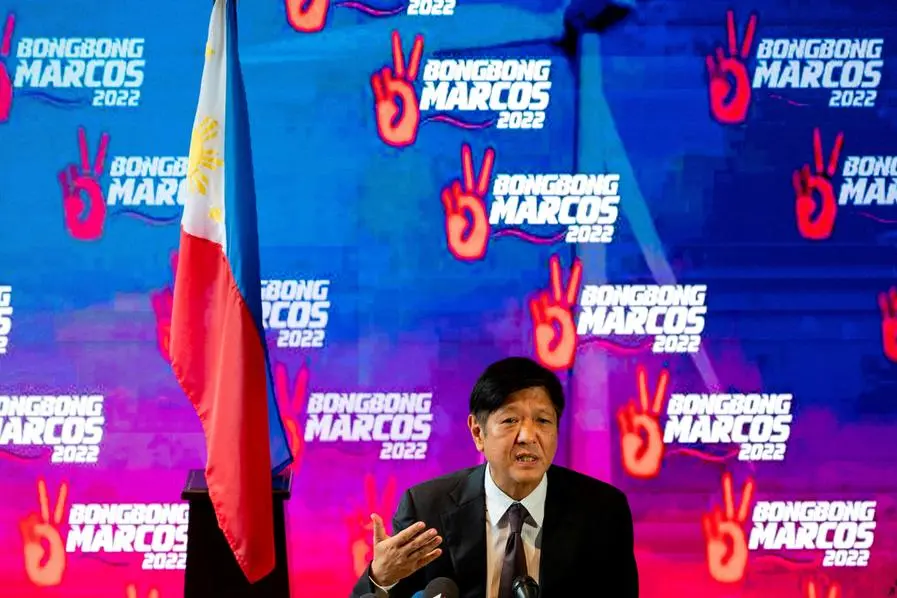
President Marcos' upcoming visit to China from Jan. 3 to 5 is seen boosting the potential of Philippine exports as it is seen to strengthen trade and investment relations between Manila and Beijing, according to Trade Secretary Alfredo Pascual.
'The President's visit to China is a recognition that it is an important trading and investment partner of our country,' Pascual said.
'The visit will pave the way for further strengthening our trade and investment relations, particularly as we work to recover from the pandemic and position the Philippines as a regional hub for sustainable and innovative manufacturing and services industries,' he added.
According to Pascual, the Department of Trade and Industry (DTI) has organized a series of roundtable meetings for the president during the state visit with major Chinese companies with existing and planned investments in the Philippines in the key sectors of complementation with China.
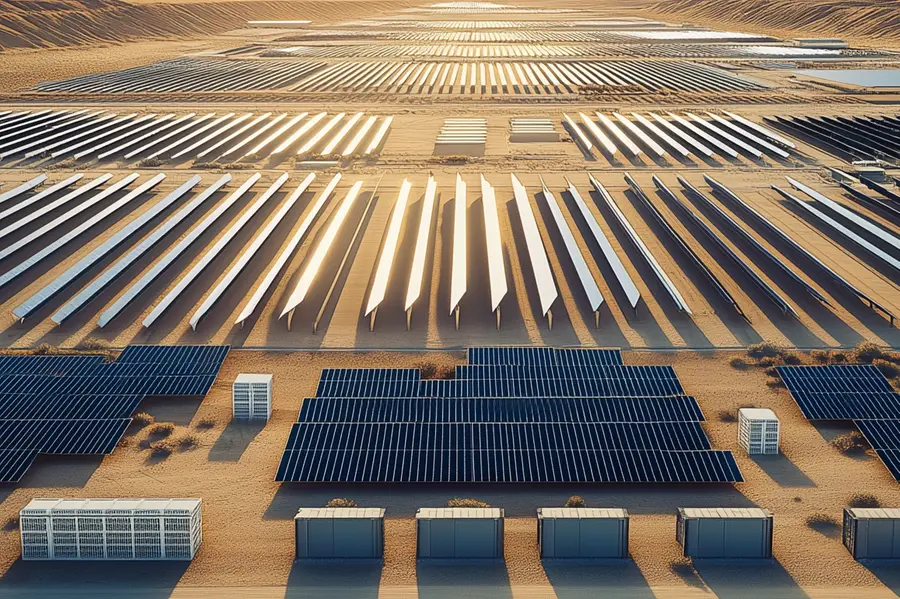
These sectors include agribusiness, renewable energy, steel making, nickel ore processing and battery production, and electric vehicle manufacturing.
Likewise, Chinese importers of tropical fruits from the Philippines are also expected to participate in the meetings.
'The President's visit to China also aims to build on our export gains and further strengthen relations with key partners in China to help the Philippines realize this additional export potential,' Pascual said.
The DTI chief identified several sectors with the most considerable export potential to China include electronic equipment, electrical machinery, metals, optical products, watches, medical instruments, fruits, motor vehicle parts, processed or preserved food products, as well as fish and shellfish.
'The President will be accompanied by a business delegation comprised of business executives from Philippine companies with existing and/or prospective business partnerships with Chinese enterprises. Such partnerships include investments and exports,' he said.
The trade secretary also expressed hope for further improvement in the growing bilateral trade between the two countries.
In 2021, China was the Philippines' top trade partner, with total trade valued at $38.35 billion. It was also the country's second largest export market worth $11.55 billion and a leading source of imports valued at $26.8 billion.
'With current trade figures, we also hope to achieve a more balanced level of trade through, among others, further market access to agricultural commodities,' Pascual said.
Given the size of the Chinese market and the supply capabilities of the Philippines, the Philippines has an opportunity to further expand exports to China by an additional $14.1 billion in the next few years, based on the Export Potential Assessment (EPA) undertaken by the International Trade Centre (ITC).
He explained that further tariff liberalization under the Regional Comprehensive Economic Partnership (RCEP) are seen to make preferential market access easier for Philippine exporters.
The RCEP is a multilateral trade agreement between and among ASEAN countries, including the Philippines, and China, Japan, South Korea, Australia and New Zealand. It provides for an open, inclusive and rules-based trading system to promote deeper economic integration in the region.
The trade deal is expected to boost Philippine exports through enhanced market access in the region. It would provide cheaper goods for production and manufacturing, as well as ensure transparent rules and clear mechanisms for resolving trade issues and concerns, and also allow micro, small and medium enterprises to participate in the global value chain.
Citing the same EPA undertaken by ITC, Pascual said the Philippines has an unrealized export potential to RCEP economies valued at $27.8 billion.
'Enhanced market access to these economies thru RCEP will help Philippine exporters unlock these export potential,' he said.
With the eventual participation of the Philippines in RCEP, Pascual said the trade deal is seen to boost the country's strategic advantage for investments while providing more opportunities for stakeholders to enjoy a more extensive free trade area.
'For example, our stakeholders can enjoy wider sourcing of raw materials from 14 countries, including China, and export processed products from the Philippines to the RCEP parties. Also, improved market access for certain Philippine products is secured in RCEP for the China market, such as preserved pineapples, pineapple juice, coconut juice, ignition wiring sets, and flexographic plates,' Pascual explained.
He added that the RCEP would support the Philippines' goal of seeking a more robust and beneficial partnership with China.
'The long history of business relations between our two countries, the cooperation in the Belt and Road, and now RCEP will facilitate the further growth and deepening our bilateral business relations,' Pascual said.
He pointed out that the country's attractive proposition for business is based on many vital factors such as its large market of 107 million consumers as well as a resilient and growing economy; the availability of skilled, young people that are a strategic resource for growing global businesses; and the country's strategic and preferential access to other markets like the US and EU.
'As Chinese companies pursue opportunities in RCEP, those looking to diversify their business locations to sustain and enhance regional competitiveness can consider the Philippines a complementary location. We can also be an alternative hub for their production and service facilities,' Pascual said.
With RCEP participating countries also making significant commitments under the services trade, the Philippines sees this as another area for increased bilateral collaboration.
'As Chinese companies pursue going out strategies, we can partner while providing support through Philippine talent as a strategic resource. In particular, technological, soft, and people skills will be critical in the services and digital industries. With this in mind, our country has an excellent track record in supporting the global operations of companies worldwide. Our workforce's strong customer service orientation also makes the Philippines an ideal location for services for getting in touch with customers globally,' Pascual said.
Copyright © 2022 PhilSTAR Daily, Inc Provided by SyndiGate Media Inc. (Syndigate.info).