PHOTO
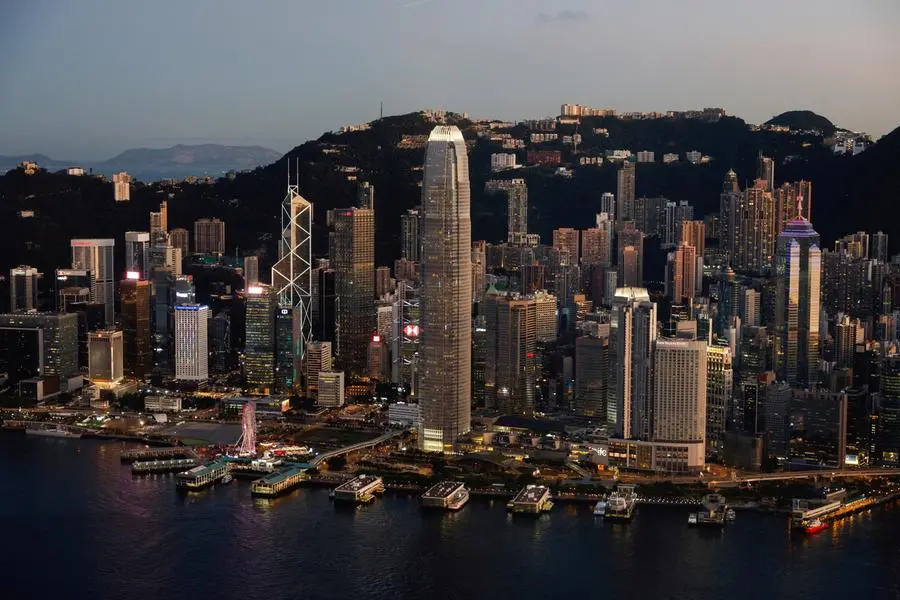
The Hong Kong government is close to proposing a rule change on carried interest that could allow asset managers to earn performance fees free of tax, as the city seeks to promote itself as a hub for asset and wealth management.
The current carried interest measure in Hong Kong, under which profits are not taxed, applies only to private equity investments.
Hong Kong's Financial Services and Treasury Bureau (FSTB) is close to proposing that the scheme also include private credit, digital assets and overseas real estate, a source with knowledge of the matter told Reuters. The source did not want to be named publicly as they were not authorised to speak to the media.
An official proposal is being drafted and will be submitted to Hong Kong lawmakers for their approval soon, the source said.
Since a 2024 public consultation, the government has outlined the tax-relief measures to cover investments beyond private equity, including loans, private credit investments, interests in non-corporate private entities and virtual assets, according to official filings.
"The goal of these changes is clear: Hong Kong aims to strengthen its position as the leading pro-business jurisdiction for asset managers to domicile and scale their operations," said Rocky Tung, executive director of the Financial Services Development Council, a government think tank.
Tung said the enhancement is a "re-calibration" of Hong Kong's tax regime since the introduction of carried interest and it aligns the city with "global best practices for asset managers."
Other wealth hubs like Dubai and Singapore have attracted fund and wealth managers in recent years by introducing favourable tax benefits, which have drawn investments away from Hong Kong.
The FSTB did not immediately respond to a Reuters request for comment. The Financial Times first reported on Thursday that the tax proposal was expected to be introduced soon.
Carried interest is a form of a performance fee and it refers to the part of a private fund manager's compensation tied to generated profits.
(Reporting by Selena Li and Summer Zhen in Hong Kong, and Anusha Shah in Bengaluru; Editing by Christopher Cushing, Saad Sayeed and Thomas Derpinghaus)