PHOTO
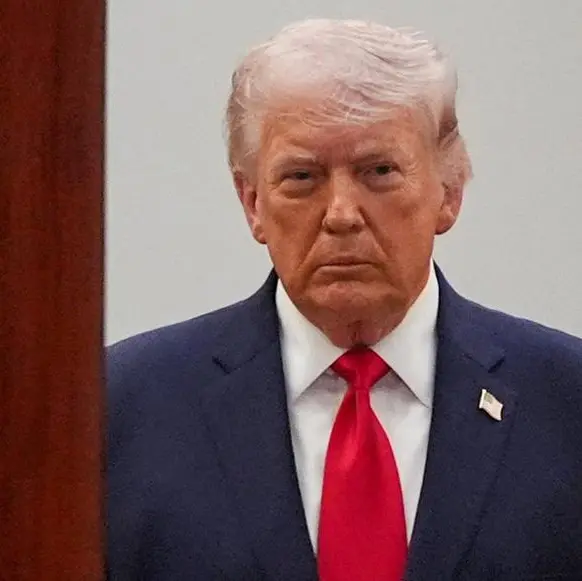
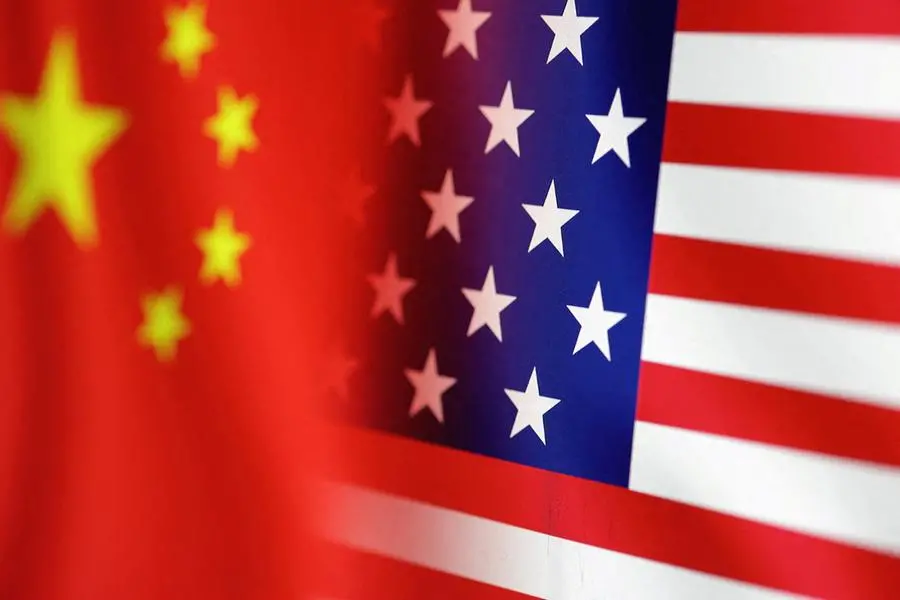
President Donald Trump's administration on Tuesday said it will slap tariffs on Chinese semiconductor imports over Beijing's "unreasonable" pursuit of chip industry dominance, but would delay the action until June 2027.
The tariff rate will be announced at least 30 days in advance, according to the filing, which follows a year-long "Section 301" unfair trade practices investigation into China's exports of "legacy," or older-technology chips to the U.S., launched by former President Joe Biden's administration.
"China’s targeting of the semiconductor industry for dominance is unreasonable and burdens or restricts U.S. commerce and thus is actionable," the U.S. Trade Representative said in its release.
The Chinese Embassy in Washington expressed opposition to any tariffs. "To politicize, instrumentalize and weaponize trade and tech issues and destabilize the global industrial and supply chains will benefit no one and will eventually backfire," it said in a statement to Reuters. "We will take all measures necessary to firmly safeguard our lawful rights and interests," it added.
The move, which preserves Trump's ability to impose the duties, seeks to dial down tensions with Beijing in the face of Chinese export curbs on the rare earth metals that global tech companies rely on and which China controls.
As part of negotiations with China to delay those curbs, Washington pushed back a rule to restrict U.S. tech exports to units of already-blacklisted Chinese companies. It has also launched a review that could result in the first shipments to China of Nvidia's second-most powerful AI chips, Reuters reported, despite grave concerns from China hawks in the U.S. who fear the chips could supercharge China's military.
The chip industry is awaiting the administration's decision on a much broader tariff investigation into global chip imports.
That probe, under the "Section 232" national security statute, could heap more tariffs on Chinese semiconductors and a vast array of electronics devices containing them from all countries. But U.S. officials are privately saying that they might not levy them anytime soon, Reuters has reported.
Biden already imposed an additional 50% tariff on Chinese semiconductors that started on January 1, 2025.
(Reporting by Akash Sriram in Bengaluru; Editing by Anil D'Silva, Kirsten Donovan and David Gregorio)