PHOTO
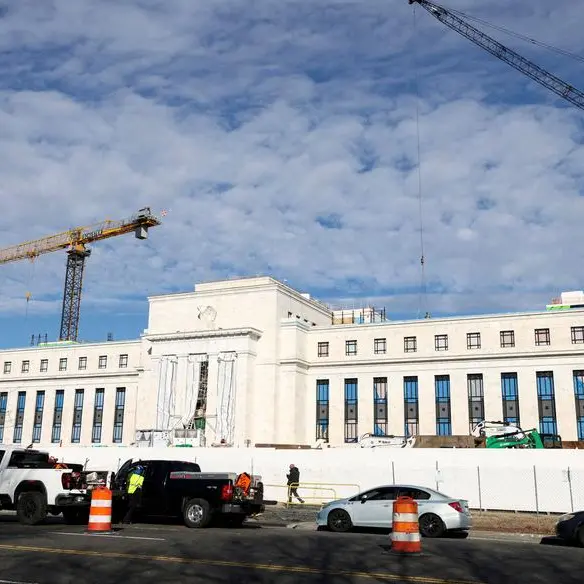
Minutes of the U.S. Federal Reserve's January 16-17 meeting released on Wednesday are expected to provide more detail on why central bankers kept interest rates on hold last month and what it may take to convince them further rate cuts are warranted at a time when risks to the job market may be easing and progress on lowering inflation has been slow.
In a press conference after the meeting, Fed Chair Jerome Powell said there had been "broad support" among policymakers to hold the policy rate steady in the current 3.5% to 3.75% range, a contrast to the prior meeting in December when a decision to cut interest rates left the central bank divided with dissents in favor of both cutting more deeply and not cutting at all. The minutes will be released at 2 p.m. EST. With policymakers largely on the same page as of mid-January, the document could give some insight into how officials weigh economic risks that Powell said could still leave the Fed at odds over what to do, but which also seemed to be moving more into balance.
The Fed tries to maintain maximum employment consistent with 2% annual inflation, with the most difficult judgments coming at times - as in recent months - when inflation is above target and the job market appears to be weakening.
As of the January meeting Powell said some of that tension remained, though the risks of a marked jump in either inflation or the unemployment rate were diminishing.
"We still have some tension between employment and inflation, but it’s less than it was. I think that the upside risks to inflation and the downside risks to employment have probably both diminished a bit," he said.
Within the broad agreement to hold rates steady last month, however, policymakers could have widely different views about what to react to and how fast, with analysts focused in particular on whether inflation begins easing as Powell and others say they expect by mid-year. Speaking on Tuesday, Chicago Fed President Austan Goolsbee said he could see "several" rate cuts warranted this year if inflation does begin to fall from the current level about one percentage point above the Fed's target, while Governor Michael Barr said the current rate cut pause would likely last "for some time" before there's enough information in hand to be assured inflation is in decline.
Fed officials attribute part of the current elevated inflation to high import tariffs that they feel businesses are still in the process of passing along to consumers, but largely agree that process is near or past its peak impact on inflation.
"The Fed is prepared to lower rates further this year if inflation cools....This...should be reflected in FOMC minutes," analysts from Citi wrote on Tuesday.
The Fed next meets on March 17-18, with investors expecting interest rates to remain on hold.
(Reporting by Howard Schneider; Editing by Andrea Ricci )