PHOTO
The transformation of Africa’s railway systems is no longer a dream, as many countries have modernised their networks with high-speed trains reaching speeds of up to 320km/h.
Contents
- South Africa
- Morocco
- Egypt
- Sudan
- Mozambique
- Tanzania
- Algeria
- Democratic Republic of the Congo
- Kenya
- Nigeria
Massive developments are underway to connect cities, ports, and countries, similar to South Africa, Egypt, and Tanzania, which are expanding their electrification efforts. Railways are now a symbol of hope and prosperity, which transport goods and people to support day-to-day commuting.
Africa’s railways are becoming economic game-changers. From colonial-era tracks to cutting-edge passenger lines, these iron rails are threading markets, cities, and communities together. In 2025, several countries stand out for having the best rail systems on the continent.
Meanwhile, in this article, Tribune Online looks into African countries that have the best rail systems in 2025.
South Africa
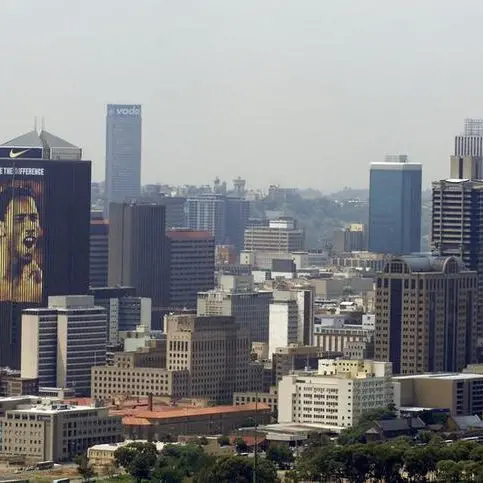
South Africa has the continent’s largest railway network. It stretches deep into industrial hubs and mineral belts. This system handles everything from commuter traffic to massive freight loads. While some lines need serious TLC, the railways remain central to South Africa’s economy, and plans for modernisation are underway to keep freight moving smoothly.
Morocco
It is no news that you can board a train that whooshes along at high speeds through coastal scenery. Morocco made that a reality with Al Boraq, Africa’s first high-speed rail line. Connecting Tangier and Kenitra with sleek electrified tracks, it is a showpiece of what future rail can look like: fast, efficient, and packed with potential. And this development ranked it as the second-best rail system in Africa.
Egypt
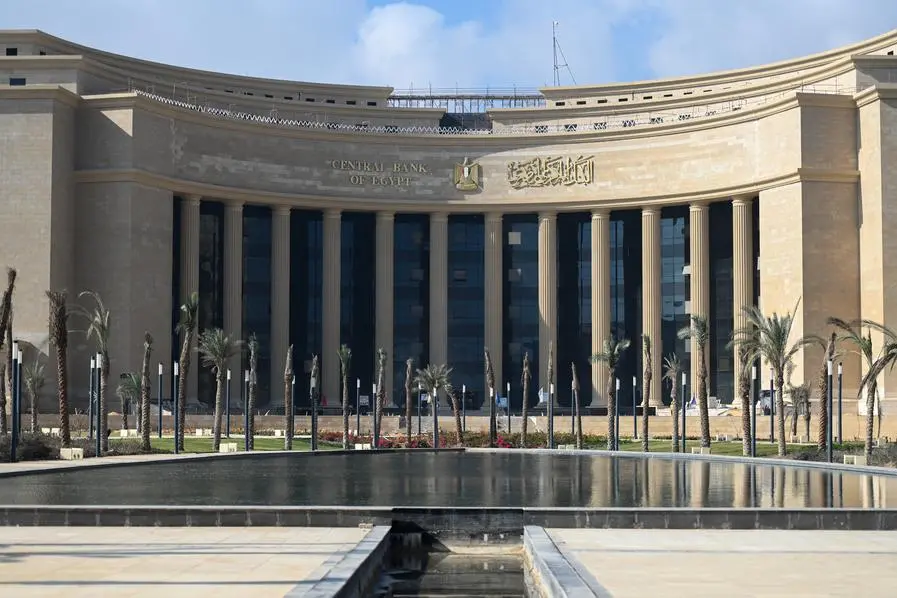
Egypt’s railways are among the oldest on the continent, but they are far from stuck in the past. With major safety upgrades and fresh rolling stock hitting the tracks, the country is also building new high-speed corridors linking major cities. This idea is making rail a modern alternative to congested roads and planes.
Sudan
Sudan’s rail system is not the most talked-about, but don’t let that fool you. Covering extensive ground across a huge nation, these rails historically carried agricultural goods and people across remote terrains. Although rehabilitation is needed, the network’s reach makes it strategically essential for internal trade.
Mozambique
In Southern Africa, Mozambique’s rail corridors are all about freight. Lines like Maputo and Beira serve landlocked neighbors, sending coal and crops to ports. It has rough terrain and logistics-heavy lifting, but that is precisely why this system ranks among the best rail systems on the continent.
Tanzania
Tanzania’s rail network is transforming. New standard-gauge lines aim to speed up travel and freight mobility, linking busy cities and, eventually, cross-border hubs. The focus is not local convenience; it is linking East Africa’s economies and making trade corridors actually work for ordinary businesses and farmers alike.
Algeria
Algeria’s rail story is one of steady progress. Electrified tracks now connect industrial zones to Mediterranean ports, and passenger services weave through major cities. It is a mix of commuter convenience and freight reliability that keeps this North African rail system above its weight.
Democratic Republic of the Congo
The DRC’s railways are veins carrying minerals like copper from landlocked mines to coastal export points, and are not just lines on a map. Although infrastructure needs upgrades and investment, the system remains crucial for industrial and export activity.
Kenya
Kenya’s Standard Gauge Railway (SGR) is not just about shiny new tracks, but what happens when trade routes get serious. Connecting Mombasa’s massive port with Nairobi and beyond, the SGR has slashed travel times and boosted freight efficiency in a way that is easy to appreciate for travelers and businesses alike.
Nigeria
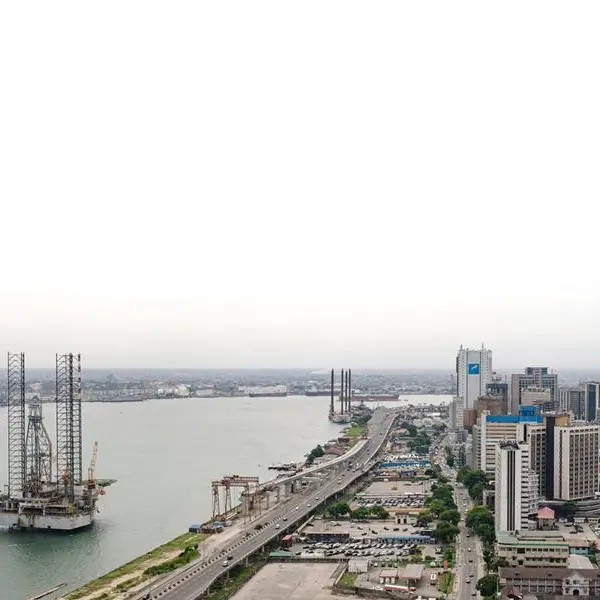
Unfortunately, Nigeria is last on this list. However, it is far from the least. With new standard-gauge lines like Abuja–Kaduna and Lagos–Ibadan, the country’s rail system is finally shaking off decades of underinvestment. These lines are already changing how people move between major cities, and they are only the beginning of a broader vision to tie Nigeria’s urban hubs into one web of reliable transport.
Interestingly, Nigeria’s broader economy shows a juxtaposition: while the railways are expanding, the nation’s unemployment rate was reported to have decreased in 2024. Still, infrastructure projects like rail upgrades remain key to driving sustainable employment and economic growth. Meanwhile, the Federal Government of Nigeria has reaffirmed Nigeria’s commitment to the development of the rail sector for sustainable economic growth.
Copyright © 2026 Nigerian Tribune Provided by SyndiGate Media Inc. (Syndigate.info).