PHOTO
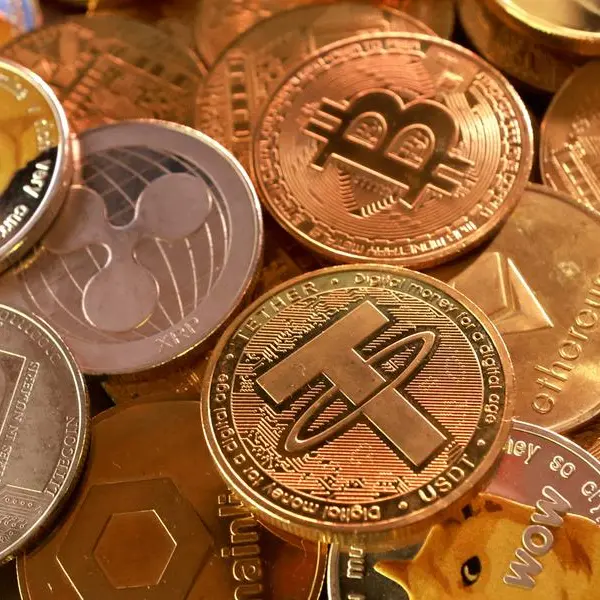
LAGOS - Nigerians are increasingly turning to U.S. dollar-pegged digital tokens, or stablecoins, to move money across borders, as households and small businesses seek cheaper and faster alternatives to traditional channels, the IMF said on Tuesday.
The Fund said what began as a niche crypto use has grown into a significant payments route, with Nigeria receiving about $59 billion in crypto inflows between July 2023 and June 2024 and accounting for roughly 60% of stablecoin inflows in sub-Saharan Africa.
Stablecoins - cryptocurrencies pegged to assets and designed to hold a stable value - have gained global traction, backed in part by support from U.S. President Donald Trump.
Their price stability, combined with fast transfers via smartphones and digital wallets, has driven rapid adoption in Nigeria, the IMF said.
For users, they offer near-instant cross-border payments and a way to store value outside a volatile naira currency, effectively bridging crypto markets and traditional finance.
They can also undercut conventional remittance channels, where sending $200 to sub-Saharan Africa costs on average about 9% of transaction value, compared with a global average of 6%, said the IMF, citing World Bank data.
However, their rise poses policy challenges.
Widespread use of dollar-linked tokens could weaken monetary policy by reducing demand for the naira, while shifting transactions to digital wallets complicates oversight and raises the risk of illicit flows, the IMF said.
(Reporting by MacDonald Dzirutwe. Editing by Chijioke Ohuocha and Mark Potter)