PHOTO
While global attention has largely focused on carbon footprints and renewable energy, a significant opportunity is also emerging at the intersection of water and food systems. The world's freshwater resources face increasing demand, creating fertile ground for breakthrough innovations and economic growth.
Global water demand is projected to outpace supply by 40 percent as early as 2030, while feeding 9.7 billion people by 2050 will require food production to increase by 60 percent. Agriculture currently accounts for 70 percent of freshwater withdrawals. Rather than viewing these as insurmountable challenges, forward-thinking regions are transforming resource constraints into competitive advantages. This represents a significant economic opportunity for this generation.
The innovation leaders
Some of the world's most resource-constrained regions are pioneering solutions that others can adapt and scale. China, with only 6 percent of global freshwater and 9 percent of arable land, produces staple foods domestically to feed about 20 percent of the world’s population. This achievement stems from necessity-driven innovation.
The economic impact has been substantial. Chinese farmers have experienced tenfold income growth since 2000, driven by advances in precision agriculture, blockchain traceability, and closed-loop systems designed for zero waste.
Similarly, across the Middle East, where 14 countries face extreme water stress, nations are converting desert landscapes into productive agricultural regions.
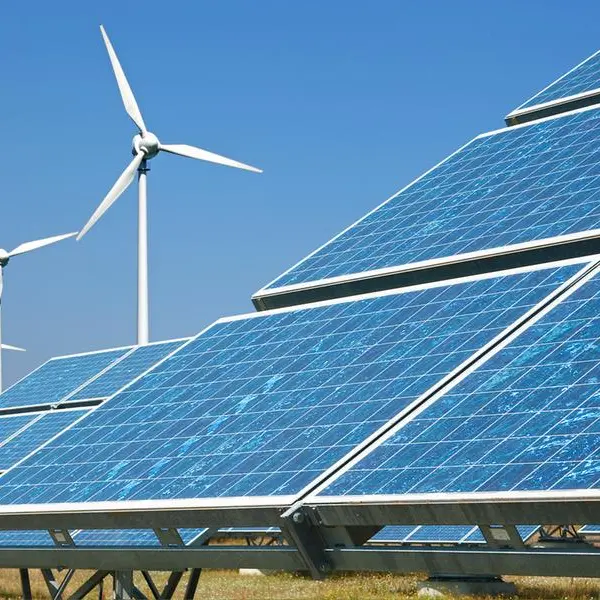
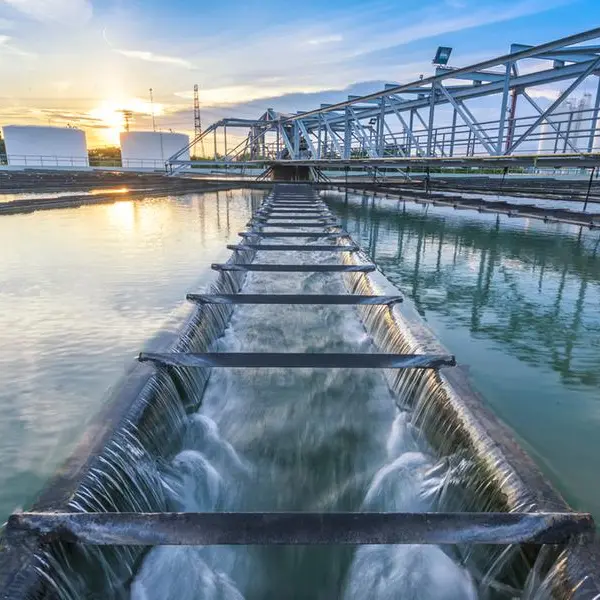
The region now produces 40 percent of global desalinated water, increasingly powered by solar technologies. Through strategic public-private partnerships, salt-tolerant crops, and soil bio-engineering, these countries prove that environmental constraints can drive technological breakthroughs.
The food-water technology market in the Middle East specifically represents a compelling investment landscape. As part of the broader Asia Pacific and Middle East market projected to reach $209 billion by 2030, capturing nearly 45 percent of the global total, the Middle East stands at the forefront of integrated solutions development.
Innovations such as crop genetics, digital water systems, advanced desalination, and blockchain-enabled supply chain traceability are evolving beyond pilots into scalable, market-ready solutions.
Building integrated solutions
BCG’s report outlines a five-step blueprint for transforming food-water systems, emphasising the progress that can be made through systemic, scalable solutions. At the heart of this transformation is the development of holistic policy frameworks that align ministries and governance structures across food, water, and environmental domains. Countries like China and the UAE exemplify this approach—China uses cross-agency task forces to bridge institutional silos, while the UAE consolidates mandates under a single ministry to enable agile scaling of technologies.
Such frameworks can be effective in reducing fragmented governance and creating an “innovation highway” that facilitates coordinated action and rapid deployment.
Equally critical is the establishment of a robust financial ecosystem that supports innovation through blended finance, risk mitigation, and inclusive funding mechanisms. China’s model integrates government-led R&D funding, green finance tools, and agricultural insurance to stabilise farmer incomes and encourage adoption.
In the Middle East, large-scale initiatives and national agri-tech programs combine sovereign wealth funds with non-financial support to foster next-generation agriculture in arid climates. These financial systems are designed not only to fund innovation but also to de-risk adoption and ensure long-term viability.
Strategic innovation clusters—geographic ecosystems where public institutions, private enterprises, and value-chain stakeholders co-locate play a key role in accelerating prototyping and collaborative problem-solving. These clusters, such as China’s Qingshan Village, demonstrate how cross-sector collaboration can yield both economic and environmental benefits.
Meanwhile, private sector scaling capabilities are vital for absorbing upfront costs and linking technology adoption with market access. Through phased innovation and public-private partnerships, companies can validate returns and build trust among smallholders, as seen in the Food Innovation Hubs model.
Finally, comprehensive value chain development, including consumer adoption, is essential to ensure that innovations move beyond pilot stages. This involves upskilling producers, fostering transparency through tech-enabled platforms, and building trust via certification frameworks. Tailored training and digital tools empower rural communities to adopt sustainable practices, while consumer engagement ensures that market demand aligns with sustainability goals.
Together, these five elements form a cohesive strategy to transform scarcity into shared abundance across Asia and the Middle East.
The Path Forward
The emerging economies leading this transformation demonstrate a crucial insight: sustainable solutions emerge when resource constraints drive systematic innovation rather than reactive responses. Their approaches offer scalable frameworks applicable across diverse geographic and economic contexts.
The investment opportunity extends beyond immediate returns. Organisations and regions that develop integrated food-water capabilities now will be positioned to serve growing global demand for sustainable solutions. As water scarcity affects more regions and populations expand, the technologies and approaches being pioneered today are likely to become essential infrastructure in many regions.
The question for leaders is not whether to engage, but how to develop capabilities that can capitalise on this rapidly growing opportunity. The opportunity window for early-mover advantage is open, and those who act now can shape the future of sustainable food-water systems.
(The author is Managing Director and Senior Partner, Boston Consulting Group. Any opinions expressed in this article are the author’s own)
Subscribe to our Projects' PULSE newsletter that brings you trustworthy news, updates and insights on project activities, developments, and partnerships across sectors in the Middle East and Africa.