PHOTO
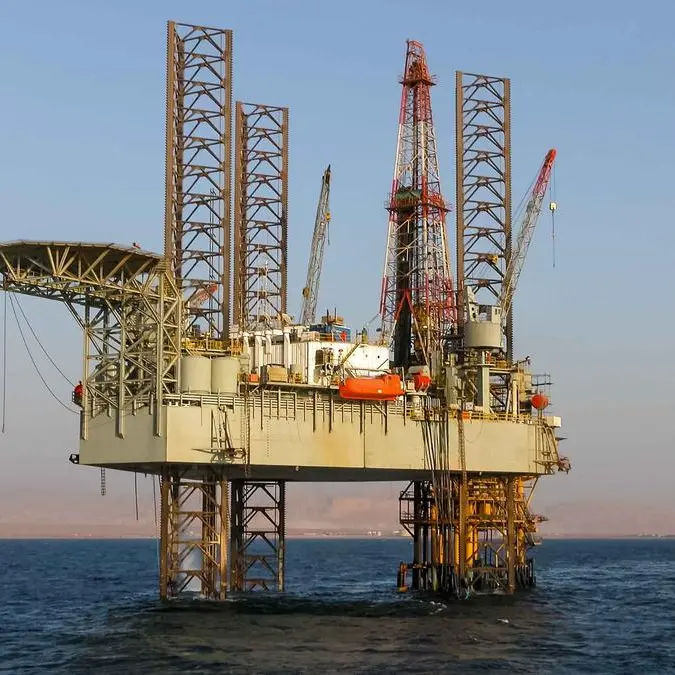
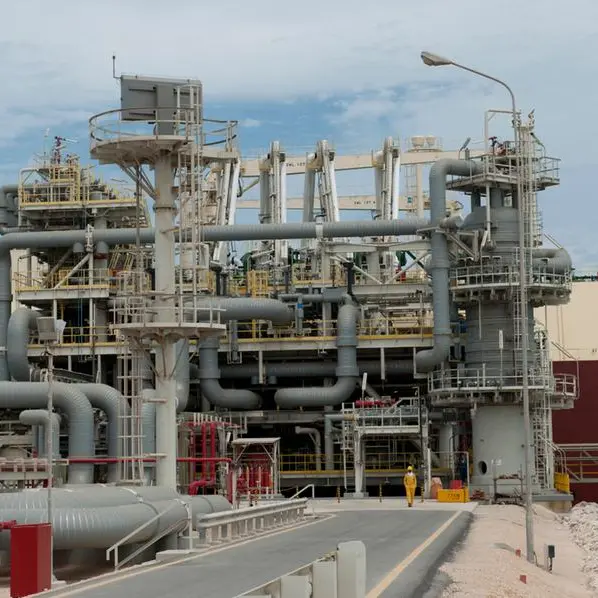
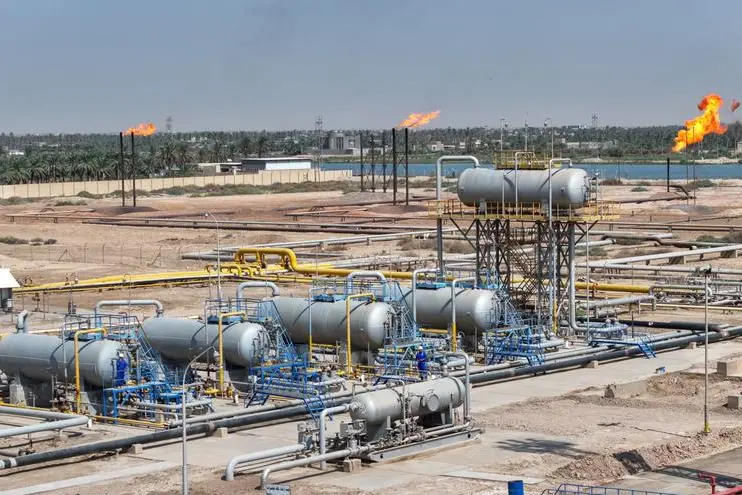
British Petroleum will pump nearly 500 million cubic feet per day of natural gas and 450,000 barrels per day (bpd) of crude from four Iraqi oilfields under its management.
“BP aims to lift oil production at the four fields in Kirkuk to around 450,000 bpd and gas output to 500 million cubic feet per day…the contract also aims to close the gas-flaring file,” according to a website statement from Iraqi Oil Ministry Undersecretary Bassim Khudair after heading a second meeting of a joint committee with the company last week.
In October, Reuters reported that Iraq has activated a contract with BP to develop Kirkuk oilfields, targeting preliminary production of 328,000 barrels per day, quoting the country's oil minister Hayan Abdel-Ghani.
The agreement, originally signed earlier this year, involves BP working alongside Iraq’s state-run North Oil Company (NOC) and North Gas Company (NGC) to rehabilitate and expand production at the Baba and Avana domes of the Kirkuk field, as well as the Jambour, Bai Hassan, and Khabbaz fields.
In June, Oil Ministry Undersecretary for Gas Izzat Ismail said gas development projects awarded to BP, TotalEnergies, and other oil majors will save Iraq nearly $17 billion per year, adding that such projects will massively reduce quantities of gas flared during the production process at key oilfields.
Amer Khalil, Director General of the state-owned North Oil Company (NOC), said in March that the four Kirkuk fields contained proven reserves of around five billion barrels and that they would largely support Iraq’s capacity expansion plans.
Iraq, which controls the world’s fifth largest extractable oil deposits of around 145 billion barrels, has awarded controls to several foreign companies over the past two years for the development of its crude oil and gas resources.
(Writing by N Saeed; Editing by Sona Nambiar)
Subscribe to our Projects' PULSE newsletter that brings you trustworthy news, updates and insights on project activities, developments, and partnerships across sectors in the Middle East and Africa.