PHOTO
In an era when energy debates are too often framed as binary—fossil fuels versus renewables—Sharjah National Oil Corporation (SNOC) is advancing a more pragmatic, systems-based model. Our recent milestones reflect a strategy that prioritises reliability first, decarbonisation second, and innovation as the bridge between the two. This approach matters not only for Sharjah, but for the wider UAE and regional energy system.
The Northern Emirates sit at the intersection of rapid urbanisation, accelerating industrial demand, and national net-zero ambitions—conditions that require balancing all dimensions of the Energy Trilemma: security, affordability, and sustainability.
Gas security remains the backbone
Natural gas continues to anchor Sharjah’s energy system for good reason. The International Energy Agency (IEA) expects global gas demand to remain resilient through the late 2020s, supported by growth in power generation, industry, and LNG trade across Asia and the Middle East.
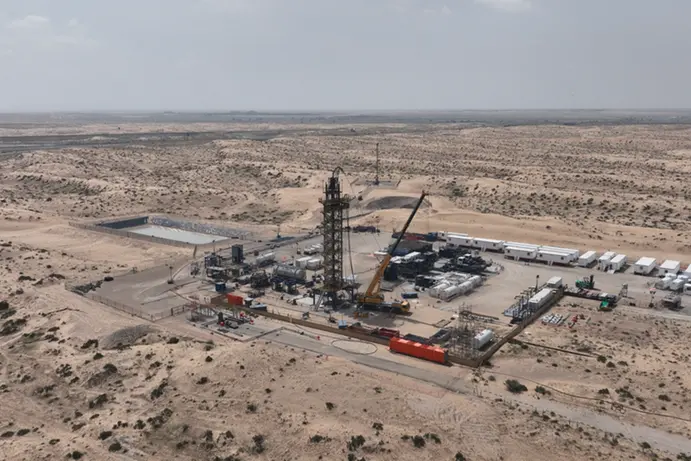
In the UAE, gas provides essential baseload capacity for desalination, manufacturing, and increasingly data-intensive infrastructure such as digital services and AI-driven industries. Development of our Hedebah field—together with earlier additions like Mahani—strengthens domestic supply at a time of tightening regional dynamics.
For examole, Egypt’s transition from exporter to importer and ongoing LNG volatility highlights the strategic value of local production. By combining new and mature fields, storage optimisation, and long-term supply agreements with ADNOC, SNOC is effectively diversifying risk within our own system.
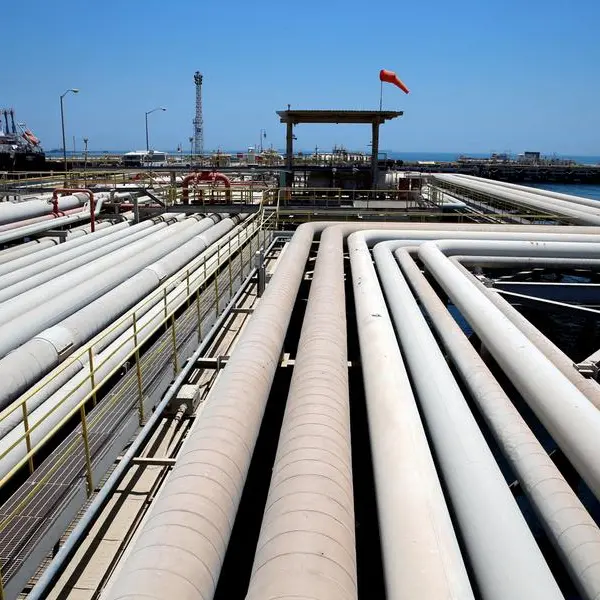
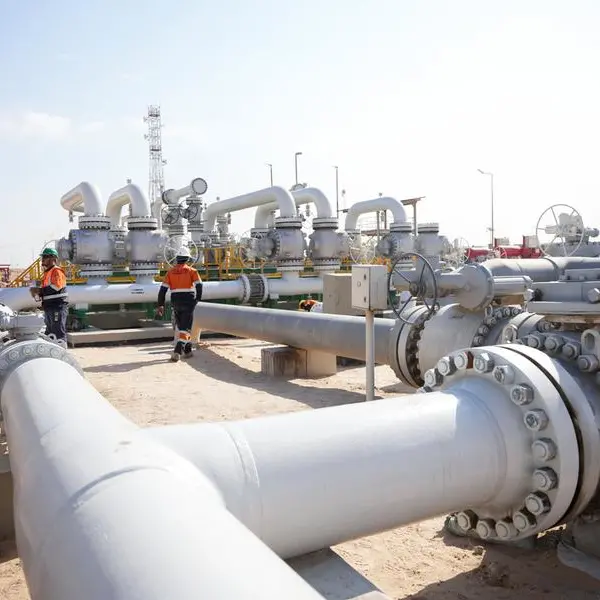
Energy security is not only about volumes; it is about resilience. Expanded pipeline infrastructure across the Northern Emirates ensures redundancy, flexibility, and responsiveness—critical attributes in a region where demand growth is structural rather than cyclical.
Solar as an emissions lever
The commissioning of our 60-megawatt (MW) Sana solar plant marks a consequential step in operational decarbonisation. Directly powering oil and gas facilities with solar remains rare globally, yet the impact is measurable: we estimate a 20 percent reduction in Scope 1 and 2 emissions, effectively accelerating our emissions trajectory by several years.
The International Renewable Energy Agency (IEA) reports that renewables are now the most cost-competitive source of new power generation across most regions. For upstream operators, integrating renewables is no longer symbolic—it is operationally rational, economically sound, and environmentally necessary. Sana also serves as proof of concept for Sharjah itself, demonstrating that utility-scale solar can become a core pillar of the emirate’s future energy mix.
White hydrogen and the next frontier
Exploration of naturally occurring, or “white,” hydrogen through collaboration with Siemens Energy and Decahydron represents a forward-looking component of our strategy. Global hydrogen demand could reach 130 million tonnes by 2030 under current policy trajectories, yet green hydrogen remains capital-intensive and infrastructure-heavy.
White hydrogen—if commercially viable—could fundamentally alter cost assumptions. SNOC’s advantage lies in geology and data: existing wells, subsurface datasets, and decades of operational insight provide a foundation for early-stage evaluation. While still nascent, the potential applications—from industrial fuel to dispatchable power—are significant, particularly as electricity demand rises alongside digitalisation and artificial intelligence.
CCS as strategic infrastructure
Carbon capture and storage (CCS) is often discussed in theoretical terms, but our position is grounded in physical capability. Depleted and soon-to-be-depleted reservoirs offer secure, permanent storage capacity—one of the most constrained elements of global CCS deployment. The Global CCS Institute estimates capture capacity must increase more than sevenfold by 2030 to align with net-zero pathways.
By developing storage infrastructure, SNOC can transform legacy reservoirs into strategic decarbonisation assets—potentially serving hard-to-abate industries across the UAE and creating new value chains within the national energy ecosystem.
A balanced message
What emerges is not a single flagship project, but a portfolio logic: gas for reliability, solar for immediate emissions reduction, hydrogen for future optionality, and CCS for system-wide decarbonisation. For investors, this signals resilience. For policymakers, it demonstrates alignment with national climate goals without compromising energy security.
For the next generation of energy professionals, it sends a clear message: the transition is not about abandoning hydrocarbons overnight—it is about transforming how they are produced, complemented, and ultimately displaced where viable.
In a complex energy landscape, systems thinking is no longer optional. It is the defining capability of credible transition strategies.
(Any opinions expressed in this article are the author's own)
Subscribe to our Projects' PULSE newsletter that brings you trustworthy news, updates and insights on project activities, developments, and partnerships across sectors in the Middle East and Africa.