PHOTO
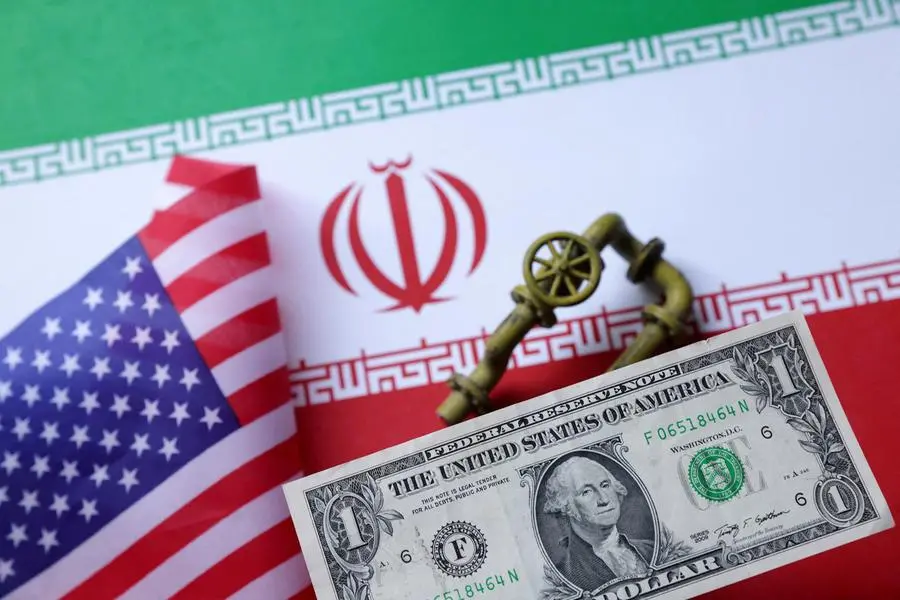
HONG KONG/LONDON - The dollar took a breather on Tuesday as investors swung between hopes for a de-escalation in the U.S.-Israeli war on Iran and concerns that any such optimism could be premature.
U.S. President Donald Trump said the war could end well before the timeline he initially laid out, but threatened to escalate attacks should Tehran block oil shipments from the Strait of Hormuz.
In response, Iran's Revolutionary Guards dismissed Trump's remarks as "nonsense" and said the blockade would continue until attacks from the U.S. and Israel end.
However, equities advanced and oil prices retreated from over three-year highs, underscoring how eager investors were to seize on any hint of good news.
The safe-haven dollar weakened 0.1% to $1.1652 against the euro and 0.1% to 157.49 yen. The dollar index, which measures the greenback against a basket of six peers, fell 0.3% to a one-week low of 98.6.
"What will matter most is a reopening of the Strait of Hormuz and a restart of production across the Middle East. Until investors receive headlines on that score, we doubt the dollar is going to quickly hand back all the gains made over the last two weeks," said ING's global head of markets Chris Turner.
VOLATILITY EXPECTED TO PERSIST
Rodrigo Catril, senior currency strategist at National Australia Bank in Sydney, said there was still good reason to be cautious.
It "may not be as simple as just declaring the end of the war ... and it's unclear to us whether the Iranian regime would be interested in de-escalating," he said.
The dollar has been traders' shelter-of-choice, given that the U.S. as a major oil producer is better positioned to withstand energy price shocks compared to other geographies that rely on imports.
"Higher prices result in higher income for U.S. oil producers and exporters, and the increase in prices will also likely arrest the depreciation of the dollar that has been ongoing since Liberation Day," said Jefferies' chief U.S. economist Thomas Simons.
Investors are worried that a sustained spike in fuel prices could curtail global growth by acting as a tax on business and consumption, while at the same time pushing central banks away from easing rates.
A Deutsche Bank analysis on Monday suggested larger market moves out of risky assets would only happen if oil prices were to stay at higher levels and there was a policy pivot from central banks, alongside tangible signs of a broader economic slowdown.
"How close are we to meeting those thresholds? Much closer than a week ago," said strategist Henry Allen.
"But on several metrics we aren't quite there yet, which explains why equities aren't yet seeing bear-market declines, like we saw in 2022," he said, referring to the aftermath of an energy shock triggered by Russia's invasion of Ukraine.
Sterling recovered from a Monday dip to trade 0.2% higher at $1.3471.