PHOTO
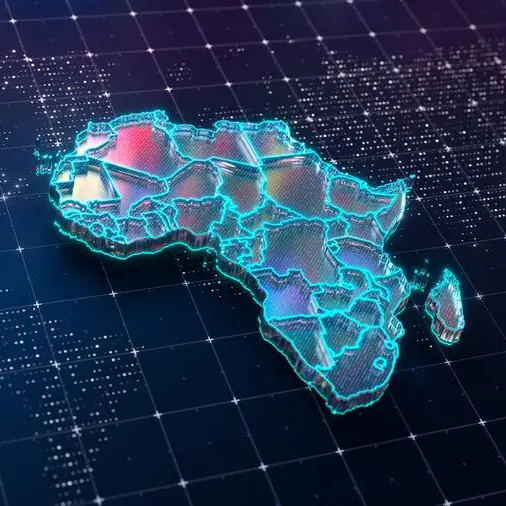
Africa hosts an estimated $29.5 trillion in mine-site mineral value - around 20 percent of global mineral wealth - but continues to capture only a small share of the economic value embedded in this endowment, according to a new study released by Africa Finance Corporation (AFC).
The study, titled ‘Compendium of Africa’s Strategic Minerals 2026’ estimates that $8.6 trillion of Africa’s mineral wealth remains undeveloped, highlighting the continent’s fragmented geological data, uneven coverage, and limited transparency - factors that continue to elevate risk perceptions and constrain investment.
The report also argues that mine-site values significantly understate Africa’s true mineral potential, as they fail to capture the far greater value created when minerals are processed into steel, aluminium, fertilisers, batteries and advanced alloys.
Measured at the point of industrial use, Africa’s mineral endowment expands by an order of magnitude, revealing substantial latent value that remains largely untapped.
These findings are detailed in the Compendium, launched at Mining Indaba event in Cape Town, South Africa.
Samaila Zubairu, President and CEO of AFC said the Compendium maps full value chains, linking reserves and production to processing capacity, power and transport infrastructure, and regional industrial corridors, helping improve data transparency, lower the cost of capital and guide smarter investment decisions.
Misaligned supply chains
The report finds that mineral production, enabling infrastructure and demand rarely align at scale across Africa, calling for stronger regional planning anchored in the continent’s long-term material needs.
For example, Africa is endowed with manganese, chromium, nickel and iron ore, yet production remains commercially tethered to Asian steel cycles rather than Africa’s own development trajectory. This exposure has proven costly. Weak Asian demand- linked to China’s property slowdown - has triggered production cuts and price shocks across African markets, including cobalt output restrictions in the Democratic Republic of the Congo, steel capacity closures in South Africa, and periodic manganese production suspensions in Gabon.
The report noted that these outcomes are occurring even as Africa continues to expand transport networks, power systems, housing, and industrial capacity that require these materials.
Infrastructure as the missing link
The AFC report positions infrastructure as the central pillar of Africa’s mineral strategy, rather than a passive enabler. Power costs and reliability, transport connectivity and access to industrial land ultimately determine whether beneficiation is commercially viable.
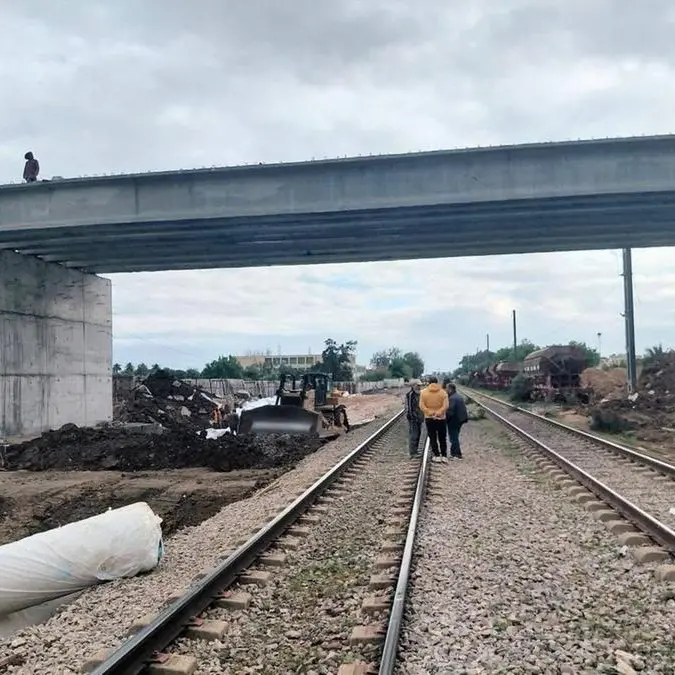
The Compendium maps mineral assets alongside railways, ports, power hubs and transmission networks to identify where regional value chains can realistically be developed. It calls for targeted investments in shared rail corridors and cross-border power transmission, particularly in mineral-rich regions.
Integrated infrastructure, the report argues, is also critical to Africa’s competitiveness in an era of green industrialisation, enabling lower-carbon production and improved access to markets that increasingly demand traceable and sustainable supply chains.
Strategic relevance
The study situates Africa’s mineral potential within a shifting global landscape shaped by trade tensions, export controls and industrial policy. While these dynamics elevate Africa’s strategic importance, AFC cautions that value will accrue only where the continent can offer reliable, value-adding supply alternatives.
Rather than positioning Africa as a marginal exporter of raw materials, the report advocates selective integration into high-impact segments of global supply chains, particularly for minerals with highly concentrated processing markets such as manganese, rare earths, graphite, uranium and critical alloying inputs for defence, aerospace and clean-energy technologies.
Encouraging signs include:
- Angola is developing one of the world’s largest and highest-grade magnet metal rare earth deposits;
- Mozambique has become a key feedstock anchor for graphite and anode materials;
- Battery-grade manganese sulphate projects are advancing in Southern Africa; and
- Uranium production has resumed in Namibia and Malawi over 2024-25.
(Writing by Dennis Daniel; Editing by Anoop Menon)
Subscribe to our Projects' PULSE newsletter that brings you trustworthy news, updates and insights on project activities, developments, and partnerships across sectors in the Middle East and Africa.