PHOTO
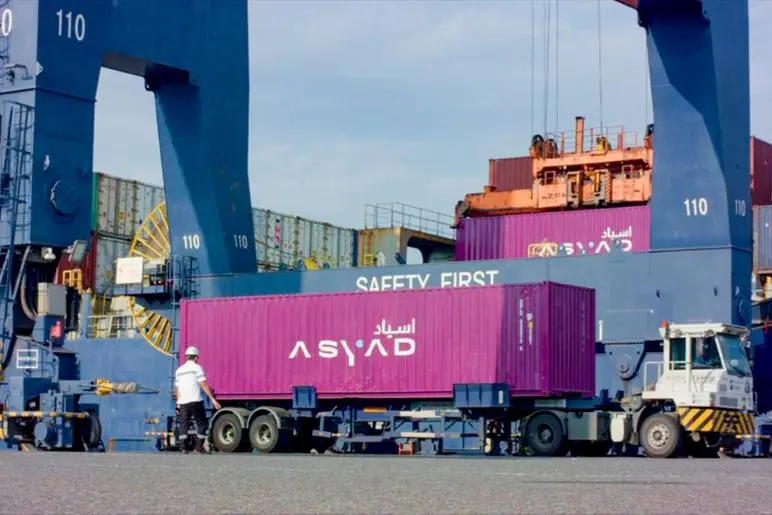
Oman’s logistics conglomerate Asyad Group is accelerating its decarbonisation agenda and infrastructure readiness for a future hydrogen economy, and is gearing up to meet new International Maritime Organisation (IMO) and European Union (EU) climate regulations anticipated to reshape global shipping standards, according to a top company executive.
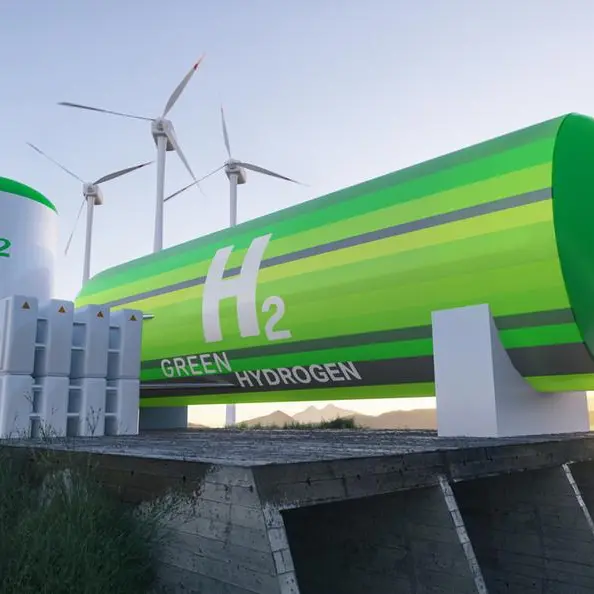
In an exclusive interview with Zawya Projects, Essam Al Sheibany, Group Vice President – QHSSE & Sustainability at Asyad Group said work is advancing with national stakeholders to prepare storage, bunkering, and intermodal systems to ensure the Asyad’s ports can handle hydrogen exports safely and efficiently, positioning the Sultanate as a global hydrogen hub as international markets mature.
He said the International Maritime Organisation’s (IMO) decision to postpone carbon pricing proposal has delayed global clarity but Asyad continues to strengthen operational efficiency and data systems, and compliance programmes to align with EU regulations are underway.
“Asyad is aligning with FuelEU Maritime, the EU Emissions Trading System, and the Carbon Border Adjustment Mechanism (CBAM),” he stated.
Al-Sheibany noted that last year, Asyad achieved a 6 percent reduction in emissions from its maritime and ferry operations and continued to operate LNG and biofuel vessels while studying green ammonia and e-methanol technologies.
“The Group earned the Platinum Award at Oman Sustainability Week for its decarbonisation leadership,” he added.
Excerpts from the interview:
How are Omani ports being readied to support the hydrogen economy?
Oman’s clean energy ambitions are anchored in its strategic location and growing logistics capacity. Under Vision 2040, the Sultanate aims to become a leading global producer and exporter of green hydrogen, supported by world-class infrastructure and international partnerships. Asyad Group plays a central role in this transition by ensuring readiness for future hydrogen exports.
Within this framework, Port of Duqm is positioned as the centrepiece of Oman’s hydrogen ambitions. It sits next to the Al Wusta region, where several hydrogen blocks have been awarded under Hydrom’s tendering process. Hydrom has signed multi-billion-dollar agreements with international developers to produce green hydrogen and derivatives such as ammonia and methanol for export.
Duqm’s deep-draft access, large industrial space, and integration with Special Economic Zones make it ideal for large-scale hydrogen logistics. Work
is advancing with national stakeholders to prepare storage, bunkering, and intermodal systems, ensuring the port can handle hydrogen exports safely and efficiently. Salalah Port has also been assessed for low-carbon fuel handling, creating a complementary export hub in the south.
Building on this foundation, Asyad has been selected by Hydrom as the national logistics champion for Oman’s hydrogen projects. This includes developing a green hydrogen bunkering station and hydrogen refuelling infrastructure that will anchor Oman’s clean energy logistics network.
Together, these efforts strengthen the Sultanate’s position as an emerging global hydrogen hub as international markets mature.
How far has Oman progressed in developing low-carbon bunkering hubs?
Asyad has completed a Low-Carbon Molecule Bunkering study identifying viable fuels such as green ammonia, e-methanol, advanced biofuels, and LNG. The study named Duqm and Salalah as priority locations and defined readiness pathways for storage, safety, and ship-shore operations.
Through industry consultation and technical-economic screening, Asyad created baseline designs and governance frameworks aligned with national energy policy. These ensure Oman can move from readiness to implementation when fuel standards and demand stabilise.
In 2024, Asyad also initiated development of a green hydrogen bunkering station and achieved a 6 percent emissions reduction across operations. These initiatives position the Sultanate to lead regional low-carbon bunkering once international market signals converge.
What groundwork has been done in developing the world’s first liquid hydrogen corridor?
Asyad is developing the maritime framework for a potential Duqm–Europe liquid hydrogen corridor. Feasibility work covers port-ship interfaces, logistics flow, and safety systems to ensure readiness without premature commitments.
Close coordination is being maintained between Omani authorities, SEZ operators, and European partners to align standards and permitting. Duqm’s deep-water access, marine services, and industrial capacity make it well suited for future liquid hydrogen exports. This groundwork builds on Asyad’s role as Hydrom’s logistics partner and follows major 2024 upgrades at Duqm, including the launch of the container terminal that reinforces port readiness for energy logistics.
What role do alternative low-emission fuels play in decarbonizing Oman’s shipping and port operations? And how is Asyad responding?
Asyad’s Low-Carbon Molecule Bunkering project is designed to support the wider economy. By preparing Duqm and Salalah to handle green ammonia, e-methanol, and advanced biofuels, Asyad is enabling an integrated value chain that attracts investment and builds local capabilities in engineering, storage, certification, and safety.
The initiative supports Oman’s exporters and international fleets that must meet EU climate rules. It also boosts Oman’s competitiveness on major trade routes.
In 2024, Asyad reduced fleet emissions by 6 percent through LNG and biofuel adoption and began readiness planning for low-carbon vessel operations. The Group’s drydock delivered 232 ship projects, expanding retrofit capacity for cleaner vessels. Together, these efforts strengthen Oman’s position in the transition to low-carbon logistics.
What progress has been made on wave energy and CCUS studies? What role do they play in achieving net-zero goals?
Asyad is contributing to a national wave atlas to collect data on resource quality and seasonal trends. The study, launched in Sohar and Duqm, will determine where wave power can be integrated into port and grid systems.
Carbon capture, Utilisation, and Storage (CCUS) is under early assessment to define how it could fit within Oman’s logistics and maritime clusters. Asyad is coordinating with OPAZ, national regulators, and academic partners to ensure that standards, safety, and economics are fully proven before investment.
All Asyad business units are now ISO 22301 certified for business continuity, ensuring operational readiness for future clean energy technologies.
(Reporting by Sowmya Sundar; Editing by Anoop Menon)
Subscribe to our Projects' PULSE newsletter that brings you trustworthy news, updates and insights on project activities, developments, and partnerships across sectors in the Middle East and Africa.