PHOTO
Iraq’s plans to revive its industrial sector hinge on comprehensive legislative reform and targeted investment, the financial advisor to the Iraqi government said.
Mudher Mohammed Saleh said the government is prioritising two core pillars: protective legislation to safeguard domestic production and the establishment of fully serviced industrial cities. “Foremost is enforcing laws that shield local production from market-damaging dumping policies, especially through effective customs regulations,” he told Shafaq News Agency.
Saleh stressed that infrastructure is key to enabling growth, calling for large-scale industrial zones equipped with a reliable power supply and modern logistics — efforts he said are closely tied to the country’s broader Development Road initiative.
He also urged the introduction of low-interest financing programmes to support small and medium-sized enterprises (SMEs), while calling for the streamlining of Iraq’s bureaucratic licensing system. “The current regulatory burden discourages both domestic and international investors,” Saleh warned.
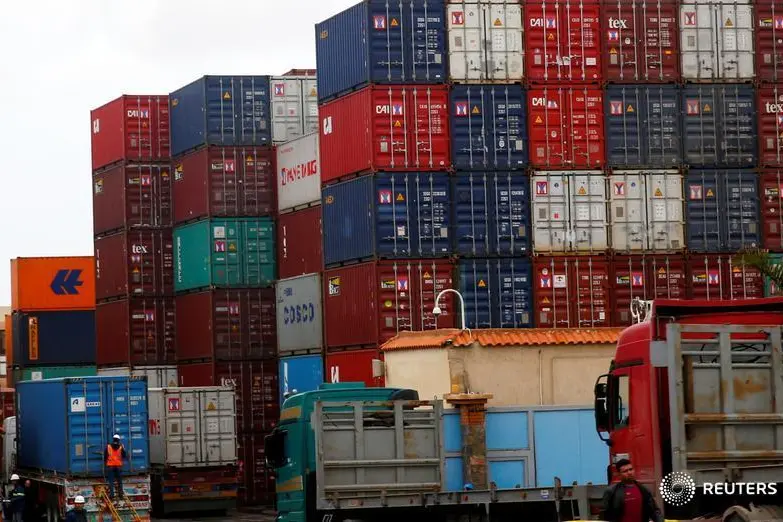
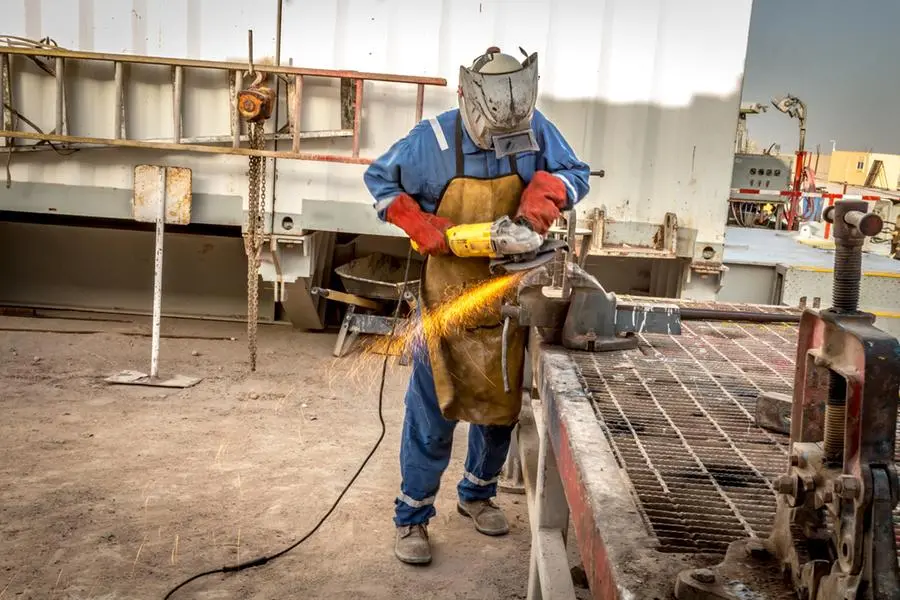
According to government figures, over 40,000 industrial projects have stalled in Iraq over the past two decades. The country’s industrial contribution to GDP has dropped to below 1 per cent, while imports now account for more than 70 percent of manufactured goods — costing Iraq an estimated $35 billion annually.
Saleh said that attracting foreign capital is essential to reversing this trend. “International investors bring with them capital, experience, and efficient production technologies. Their integration into Iraq’s industrial framework — governed by the investment law — offers a vital opportunity to re-energise the local market.”
(Writing by Nadim Kawach; Editing by Anoop Menon)
Subscribe to our Projects' PULSE newsletter that brings you trustworthy news, updates and insights on project activities, developments, and partnerships across sectors in the Middle East and Africa.