PHOTO
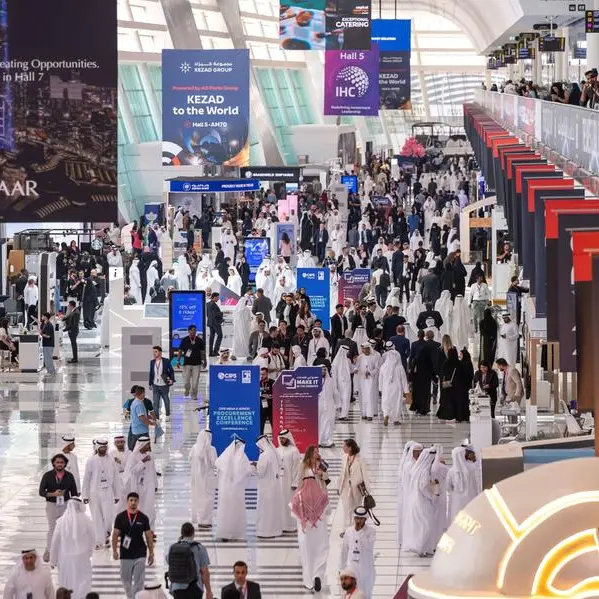
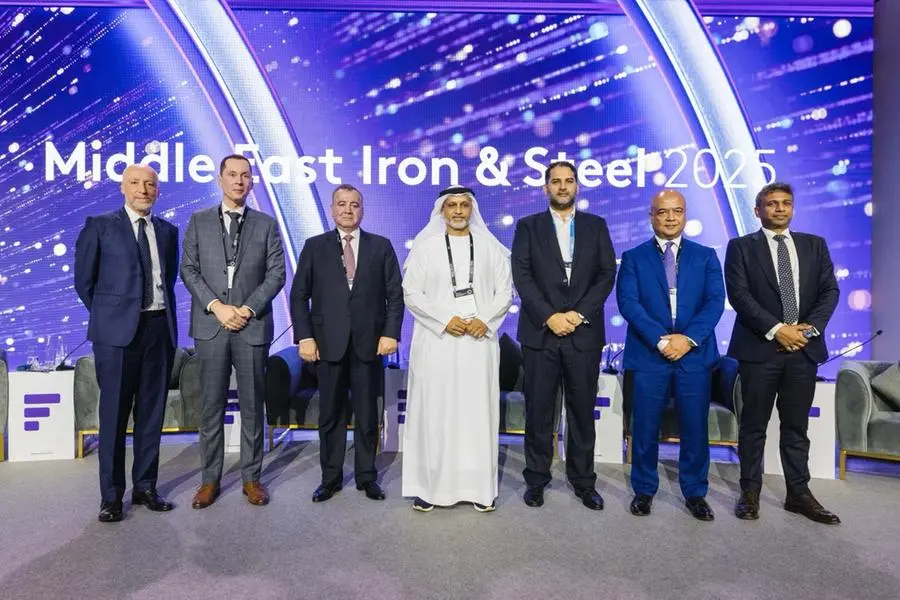
Global steel executives and policymakers warned that tariffs, oversupply, and the accelerating transition to low-carbon production are reshaping trade dynamics and investment priorities across the sector, as the 28th Middle East Iron & Steel (MEIS) 2025 conference opened on Monday.
More than 1,400 delegates from 55 countries gathered to hear how shifting trade flows, Europe’s Carbon Border Adjustment Mechanism (CBAM), and redirected exports are redefining the industry’s competitive map — with the Middle East emerging as a key growth engine backed by a $3 trillion project pipeline and expanding industrial base.
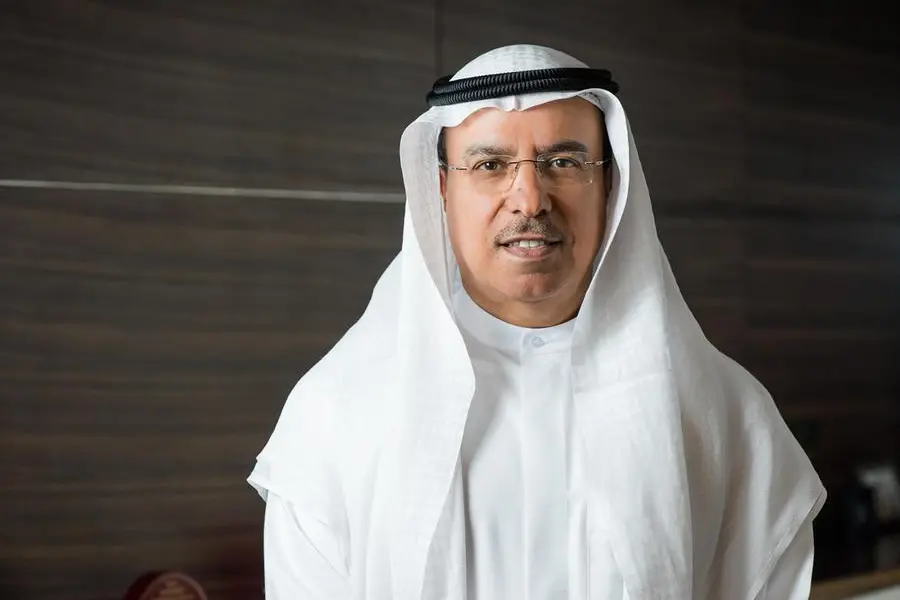
“In an evolving geopolitical landscape, resilience and strategic foresight have become decisive advantages,” said Saeed Ghumran Al Rumeithi, Group CEO of EMSTEEL. “At EMSTEEL, we are strengthening supply chains, accelerating decarbonisation, and deepening regional partnerships so that uncertainty becomes an opportunity, not a constraint, for our industry and for the UAE’s industrial future.”
Shifting global trade flows
Speakers at MEIS 2025 noted that the center of gravity in global steel is shifting, as traditional markets grapple with protectionist policies and new tariff regimes.
“Protectionist measures have made steel markets far more volatile,” said Raju Daswani, CEO of Fastmarkets. “We’ve seen sharp movements in HRC benchmarks across Europe and the US as tariffs and quota regimes tighten. The doubling of US Section 232 tariffs is just one example of how national industrial strategies are now driving global price behaviour.”
CEOs from leading regional steelmakers observed that while Asia and Europe face turbulence, MENA’s industrial base remains underpinned by stable, long-term demand from construction, logistics, manufacturing, and energy sectors.
Harssha Shetty, CEO of Jindal Steel, said the region’s resource security gives producers a structural advantage that many global competitors lack.
Sharjeel Azhar, CEO of Al-Ittefaq Steel, warned that oversupply of 500–600 million tonnes is “distorting trade flows and reshaping market exposure.”
“While some level of temporary protection may stabilise the market, long-term competitiveness will hinge on innovation, technology adoption, and the ability to produce low-carbon steel at scale,” he said.
Tariffs and fair competition
Delegates said redirected supply from traditional markets is finding its way into open-border regions such as MENA, reviving debates on trade safeguards and fair competition.
Rafic Daou, Vice Chairman and Managing Director of Suez Steel, remarked that the industry “thrives when borders are open” but requires frameworks to prevent structural imbalances from undermining regional producers.
Dilip George, Group CEO of Foulath Holding, added that tariffs are a growing concern: “Without the right trade safeguards, it’s hard for producers to invest with confidence or secure a return.”
Race to green steel
Decarbonisation dominated the conference agenda, with executives underscoring the Middle East’s potential to lead the global green steel transition. Technologies such as hydrogen-based direct reduced iron (DRI), renewable-powered smelting, circular manufacturing, and carbon capture were identified as key pathways to industrial competitiveness.
With abundant renewable energy, large-scale industrial zones, and government-backed sustainability strategies, the Gulf region is seen as one of the few global hubs capable of scaling low-carbon steel production quickly enough to meet future demand.
(Editing by Anoop Menon) (anoop.menon@lseg.com)
Subscribe to our Projects' PULSE newsletter that brings you trustworthy news, updates and insights on project activities, developments, and partnerships across sectors in the Middle East and Africa.