PHOTO
When I first set foot in Dubai nearly a decade ago, I was struck by the city’s audacity – not just in its architecture, but in its vision. Over the years, I’ve had the privilege of participating in Dubai’s transformation from a regional hub to a global benchmark for urban innovation.
The secret? Infrastructure. Not merely roads and bridges, but a holistic ecosystem that fuels entrepreneurship, attracts talent, and catalyses real estate expansion.
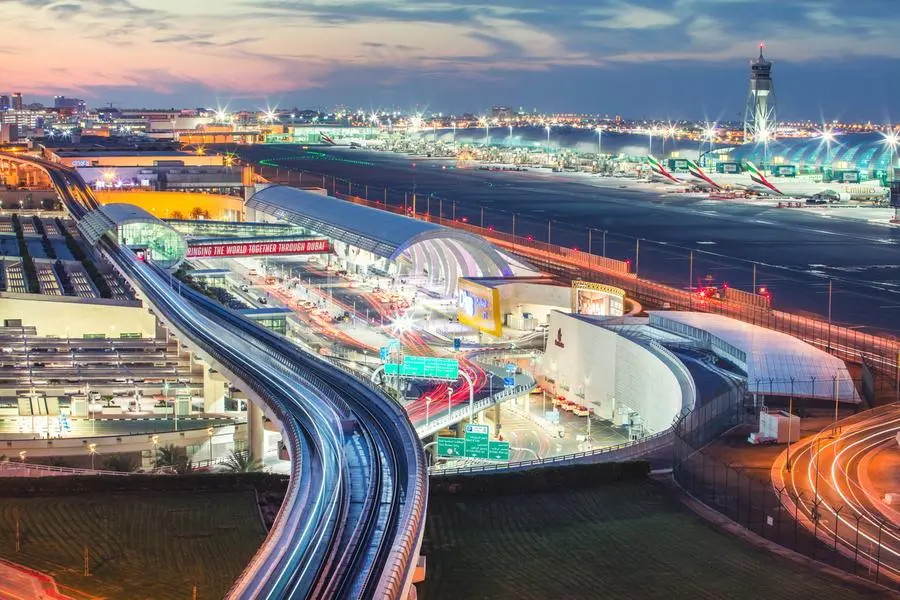
Dubai’s infrastructure is not just functional, it’s strategic. The city’s investment in connectivity – from the Dubai Metro to Al Maktoum International Airport – has unlocked entire districts for development. Areas like Dubai South, once peripheral, are now magnets for investors. With Expo City Dubai and integrated residential-commercial zones, Dubai South exemplifies how infrastructure can turn desert into destination.
A game-changer
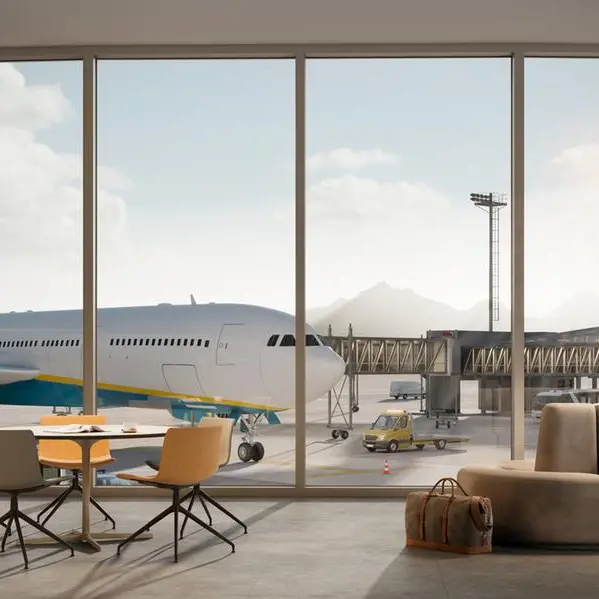
Set to become the world’s largest airport upon completion, it will handle over 260 million passengers annually – nearly double the current capacity of Dubai International Airport. Its proximity to Dubai South positions the area as a future logistics and aviation powerhouse, with ripple effects across hospitality, retail, and residential sectors. For developers, this is a gravitational force that will reshape urban dynamics for decades.
Deloitte’s 2025 Real Estate Predictions report highlights Dubai’s resilience, citing a 5 percent population increase, record-high residential transactions, and robust economic expansion. McKinsey’s Global Infrastructure Initiative emphasises that infrastructure is the bedrock of urbanisation, contributing significantly to GDP and enabling cities to reimagine real estate through sustainability, technology, and customer-centric design.
As developers, timing is everything. At Sunrise Capital, we’ve learned that identifying emerging areas requires more than market analysis, it demands intuition, boots-on-the-ground insight, and a deep understanding of the city’s masterplan.
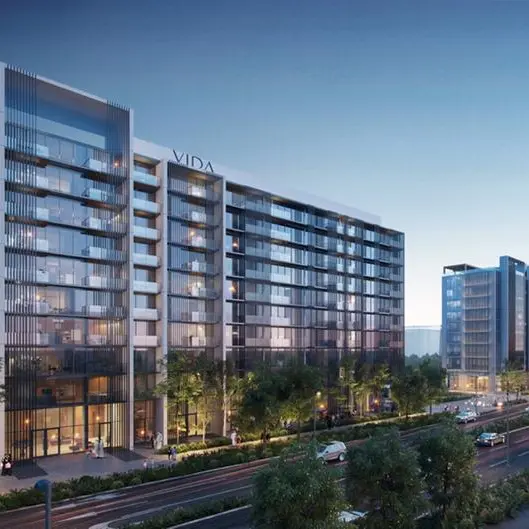
Our inaugural UAE project, Legend by Sunrise in Arjan, was born from this philosophy: a luxurious vertical garden community in a district poised for growth. When we launched Wasl Gate – a highly contemporary mixed-use development that reflects our commitment to innovation and quality – we were making a statement of belief in Dubai’s future.
The numbers validate this optimism. In 2024, Dubai’s residential market saw a 20 percent increase in sales prices and a 19 percent rise in rental rates. Gross rental yields reached 6.7 percent, outperforming global cities like London and New York. Villa prices surged 26 percent, driven by demand for family-friendly living. These stats are the result of deliberate infrastructure planning and economic diversification.
Consider Dubai Creek Harbour. With the upcoming Creek Tower, Creek Mall, and nine distinct districts, it’s set to redefine waterfront luxury. Or Tilal Al Ghaf, where sustainability meets serenity, offering crystal lagoons and eco-conscious design. These developments aren’t just responding to demand, they’re shaping it.
Private developers like Sunrise Capital play a pivotal role in this evolution by amplifying government initiatives. The Dubai Economic Agenda D33, which aims to double the city’s economy and rank it among the top three global cities, is a call to action for developers to build with purpose.
Government support has been instrumental. The UAE Golden Visa has unlocked long-term residency for investors and entrepreneurs, boosting confidence and liquidity. Regulatory bodies like the Dubai Land Department and RERA ensure transparency, making Dubai one of the most secure property markets globally.
Looking ahead, the future is green and digital. By 2025, 35 percent of new office spaces will be LEED-certified. Smart homes, blockchain transactions, and AI-powered property platforms are now necessities. Developers must embrace this shift, integrating technology and sustainability into every blueprint.
Dubai’s real estate story is far from over. As the city expands into new frontiers – Dubai Islands, Meydan City, JVC – it’s clear that infrastructure will remain the catalyst. For entrepreneurs like me, the challenge is not just to keep pace, but to lead with vision.
(The author is CEO, Sunrise Capital. Any opinions expressed in this article are the author’s own)
Subscribe to our Projects' PULSE newsletter that brings you trustworthy news, updates and insights on project activities, developments, and partnerships across sectors in the Middle East and Africa.