PHOTO
97% say, despite volatility, they still see scope to expand internationally
Businesses and investors in Saudi Arabia and the UAE are holding firm on their medium-term strategies despite the current situation in the Middle East, supported by intraregional supply chain redesign and increased use of AI. The findings are part of a new independent survey from HSBC ahead of its annual Global Investment Summit* which was conducted in mid-March against the backdrop of recent world events.
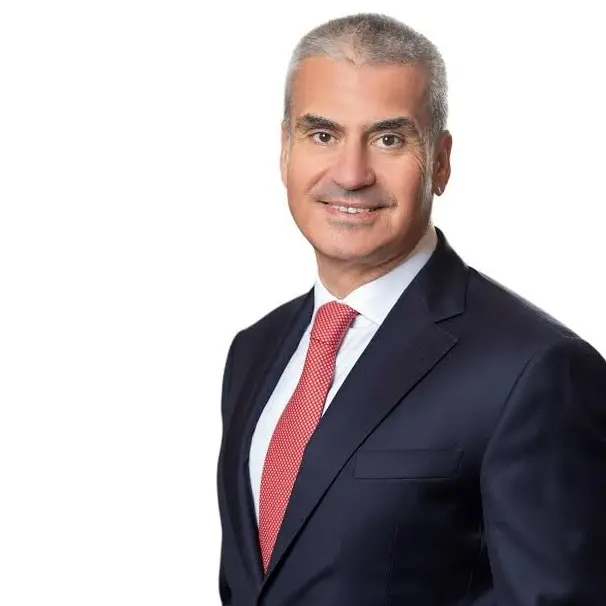
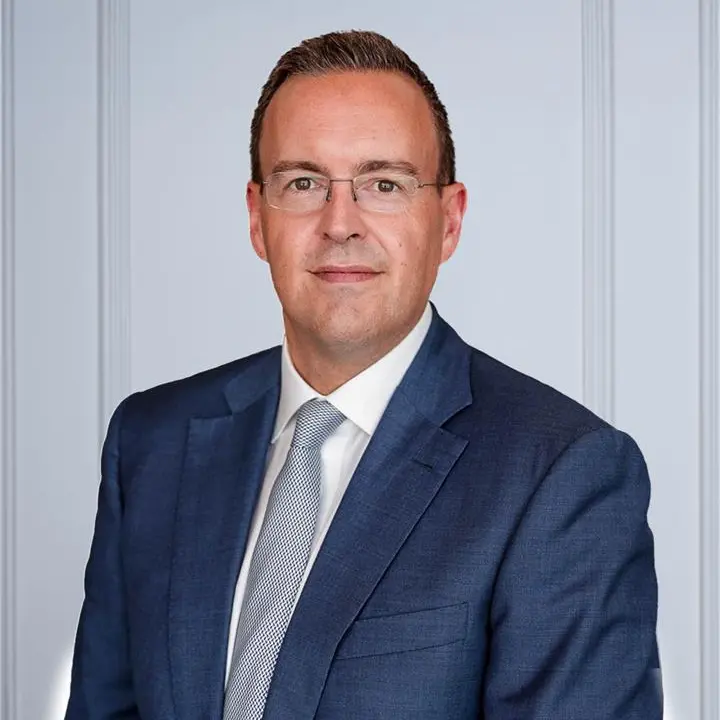
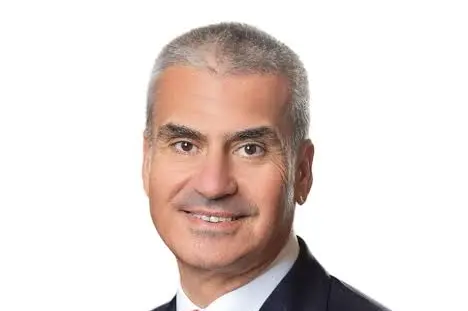
Commenting on the findings, Selim Kervanci, Chief Executive Officer, Middle East, North Africa and Türkiye (MENAT), HSBC Bank Middle East, said: “As a lynchpin of global trade, this survey gives a glimpse of the immediate response measures undertaken by firms in Saudi Arabia and the UAE to secure the flow of goods and trade, amid disruption in the region.”
The survey of 3,000 international businesses and institutional investors in ten markets, including Saudi Arabia and the UAE (600), shows that, after a decade of cumulative and current global shocks, companies are adapting and still investing.
Confidence anchored by GCC fundamentals
The survey points to senior leaders and institutional investors in Saudi Arabia and the UAE recalibrating their medium to long-term priorities. Respondents in Saudi Arabia (57%) and in the UAE (50%) ‘strongly believe’ in the ability to reposition their organisations for the longer term, despite uncertainty. This is higher than counterparts in Europe and Asia (average 36%).
Regional supply chains: redesign for resilience and growth
According to the survey, Saudi and UAE businesses and institutional investors continue to prioritise international growth and view supply chain redesign as a growth lever. This is reflected by 98% of Saudi Arabia and 95% of UAE respondents who agreed that, despite volatility, international growth opportunities exist from reconfiguring supply chains.
In addition, the survey found that 94% of businesses in Saudi Arabia and the UAE expect cross-border trade and investment to become more regional in pattern over the next five years, reflecting a shift towards strengthening intraregional corridors while maintaining global reach.
AI, technology and infrastructure move to the centre of strategy
Within their strategies, firms in Saudi Arabia and the UAE placed the greatest emphasis on access to technology and infrastructure. 60% of respondents said access to critical technologies and infrastructure will be a major influence on their organisation’s strategy over the next three years, highlighting the role of AI and digital capabilities in improving forecasting, decision-making and operational resilience.
Senior leaders and institutional investors are also positioning for long-term returns from AI and technology themes. Increasing exposure to AI and tech themes was a top three driver of portfolio repositioning in both the UAE (52%) and Saudi Arabia (46%).
Organisations are also extending their investment timeframes to align with a more complex landscape. Over half of businesses globally (53%) said that their investment horizons have lengthened compared to three years ago. These timeframes are higher in Saudi Arabia (73%) and (67%) in the UAE, signalling a shift towards longer-term positioning despite ongoing uncertainty.
Kervanci continued: “Businesses in Saudi Arabia and the UAE remain committed to medium-term strategies, anchored by their confidence in the GCC’s economic fundamentals and long-term diversification plans. The survey shows that, while international growth remains a priority in the long term, firms also see opportunities to realign intraregional supply chains to keep trade flowing. They are also looking to deploy investment in AI and digital capabilities to help improve productivity, decision-making and competitiveness. As a leading international connector, HSBC is supporting clients to keep trade, capital and investment moving to support their growth ambitions.”
Media enquiries to:
Ahmad Othman
+971503069313
ahmad.othman@hsbc.com
*The independently commissioned survey was conducted in mid-March 2026, ahead of the annual HSBC Global Investment Summit The full report is available here: HSBC: New networks for capital - The world rewired.
Methodology
Methodology The HSBC GIS survey is based on insights from 3,000 Senior Business Decision Makers and 500 Global Institutional Investors, commissioned by HSBC and conducted by British Polling accredited Savanta. Responses were collected from 9-16 March 2026 across 10 markets: UK, France, Hong Kong, Germany, mainland China, Singapore, USA, India, UAE, & Saudi Arabia. The sample comprised 250 Senior Business Decision Makers and 50 Global Institutional Investors in each market. Of the 3,000 corporate respondents, 726 reported global turnover of over USD2 billion in the past 12 months, 900 turned over between USD500 million and USD2 billion, and 874 had turnover of USD50 million to USD500 million. Of the 500 Global Institutional Investors, 164 reported that their company manages $10bn+ in AUM, 128 managed between $1bn to $9bn AUM, and 208 manage less than $1bn AUM.
HSBC Holdings plc
HSBC Holdings plc, the parent company of HSBC, is headquartered in London. HSBC serves customers worldwide from offices in 56 countries and territories. With assets of US$3,233bn at 31 December 2025, HSBC is one of the world’s largest banking and financial services organisations.
About HSBC in the MENAT region
HSBC is the largest and most widely represented international banking organisation in the Middle East, North Africa and Türkiye (MENAT), with a presence in nine countries across the region: Algeria, Bahrain, Egypt, Kuwait, Oman, Qatar, Saudi Arabia, Türkiye and the United Arab Emirates. In Saudi Arabia, HSBC is a 31% shareholder of Saudi Awwal Bank (SAB), and a 51% shareholder of HSBC Saudi Arabia for investment banking in the Kingdom. Across MENAT, HSBC had assets of USD83bn as at 31 December 2025.