PHOTO
DUBAI & LONDON – Global consultancy Kearney has today announced the results of Bridging the regional divide: views from the C-suite on sustainability in action, surveying C-suite business leaders across the globe. The report reveals global unanimity among businesses when it comes to most critical topics such as regulation and emissions reduction. Other priorities vary across regions, but the adage of a Global North–South divide is increasingly out of sync with reality. Today, challenges present at a more granular, regional level.
‘Climate risk management and business resilience’ emerged as a top-three driver of sustainability actions globally, with 42% of C-suite leaders considering it a priority. 'Scope 1, 2 and 3 emissions' and 'air and water pollution' were cited as top challenges today by 47% and 40% of respondents, respectively. This is equally true looking 5-10 years in the future.
Zooming in on the Middle East, the survey revealed that 40% of companies prioritize compliance with public policy and regulations, or industry mandates as a key sustainability driver. This is compared to 33% globally, underscoring the commitment of businesses in the region to aligning with national regulatory frameworks. Water scarcity emerges as a significant concern, with 35% highlighting it as a top sustainability challenge—well above the global average of 26%. This emphasizes the critical role of water management in the region's sustainability agenda.
The survey results also indicate a notable future shift in prioritization of sustainability issues pertaining to the social component of ESG in the Middle East. 23% of respondents in the Middle East expect lack of diversity, equity, and inclusion to be a more prioritized challenge in their organizations 5-10 years from now relative to 17% currently. This signals a growing awareness and emphasis on diversity and inclusion within the regional business landscape.
In terms of business areas where companies are most challenged in addressing sustainability issues, , storage and logistics take the lead in the Middle East, with 35% of respondents identifying it as the most significant challenge. This is followed by waste management with 23%, surpassing the global average of 13%. In contrast to other regions, regional companies attribute equal importance to technical barriers as they do to governance barriers, with technology/knowledge transfer being the primary concern for 37% of respondents, compared to 34% globally.
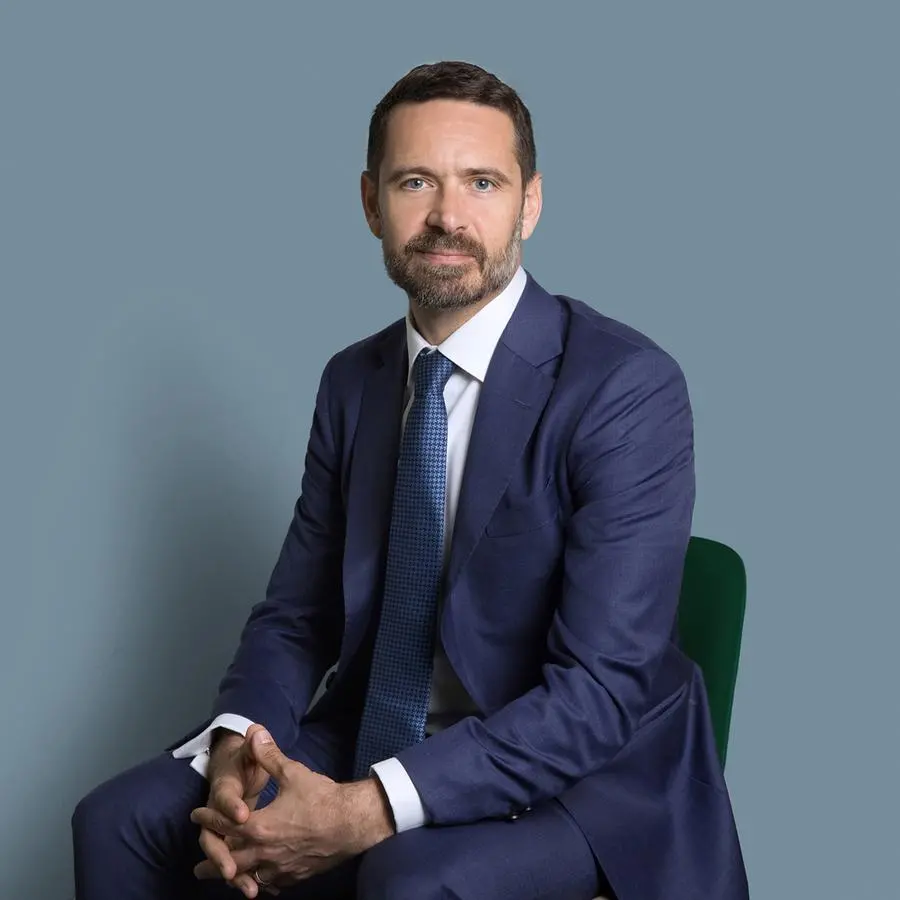
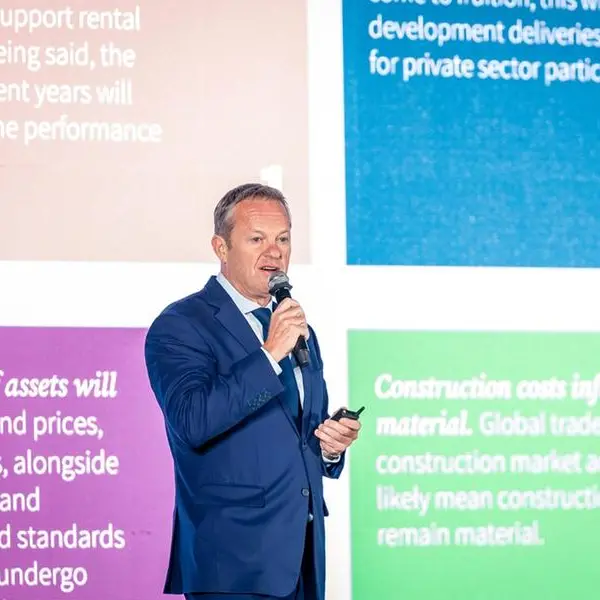
Mauricio Zuazua, Partner at Kearney Middle East & Africa and Sustainability, Mobility and Infrastructure Lead, said: “The Middle East specific findings reflect that regional business leaders are ready to lean in and invest in the triple challenge of growth, social equity and a net positive planet. What’s encouraging is that they see regulation as a good thing, creating clarity and a level playing field for all, and that they see sustainability as a business risk, creating a strong impetus for action. To effectively mitigate this risk, Middle East companies should take a regenerative approach to their business strategies, not only develop separate sustainability strategies—and this requires a profound transformation of their organizations. And as the UAE hosts COP28, Middle East businesses are poised to lead in shaping a resilient and sustainable future."
The full report can be viewed on the Kearney website here.
Notes:
- The only region not to declare this the most common driver of sustainability actions was Latin America, where it featured as third most common behind ‘Concern for the planet’ and ‘Concern for the region or community’
Data
- Unless otherwise specified, all figures given in the release are drawn from Kearney’s research. Read more details on this, here.
Source: Kearney’s ‘Bridging the regional divide: views from the C-suite on sustainability in action’ research
Methodology
To reveal the regional divide in sustainability agenda, Kearney conducted a multiple-choice survey of 400 CxOs of the leading global companies from 15 industries, located in 16 countries, and with revenue of $500 million and above. The companies were divided into 6 global regions – Asia-Pacific (APAC), Europe, North America, Latin America, the Middle East, and Africa – to derive regional insights on sustainability priorities, barriers and actions needed.
In this release, the terms ‘Global North’ and ‘Global South’ have been used by Kearney as shorthand of “developed countries” and “developing countries”, respectively, as stated by the United Nations Conference on Trade and Development. However, responses to the climate crisis are more nuanced than such a simple divide and attitudes can vary by region regardless of latitude.
About Kearney
Kearney is a leading global management consulting firm. For nearly 100 years, we have been the trusted advisor to C-suites, government bodies, and nonprofit organizations. Our people make us who we are. Driven to be the difference between a big idea and making it happen, we help our clients break through. www.kearney.com
Press contact
Sabrin Al-Aloul and Layan Al Jammal
Houbara Communications
kearney@houbaracomms.com