PHOTO
Dubai, United Arab Emirates: Despite rising regional tensions and global political instability, investor confidence in the GCC’s $4.2 trillion investment ecosystem remains robust, with a focus on long-term infrastructure development and diversified economic strategies, according to new data released by Ento Capital, an investment banking firm regulated by the Dubai Financial Services Authority (DFSA) with a track record of $4.6 billion in assets under management.
The data, drawn from the firm’s market trend analysis, investor insights, and engagement with general and limited partners, highlights the region’s growing financial stability. Supported by robust sovereign wealth funds and targeted investments, the GCC's financial infrastructure continues to thrive amid the ongoing volatility.
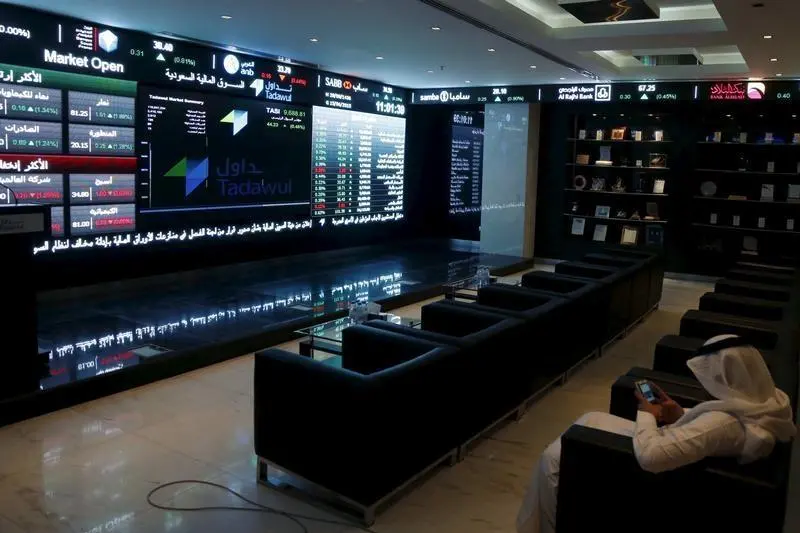
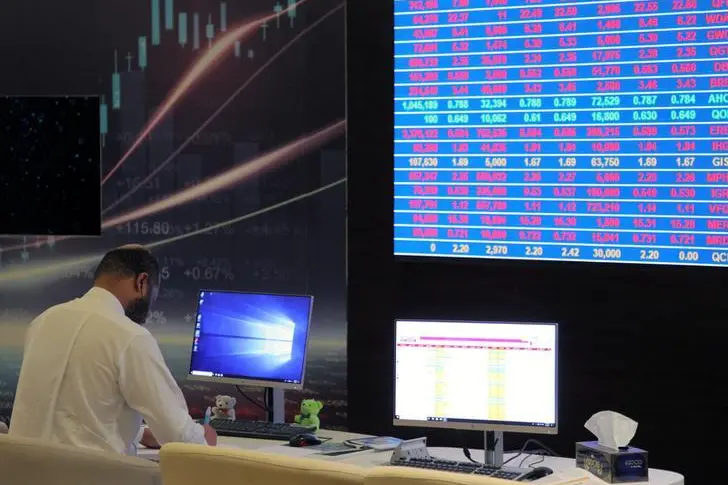
It is evident that the current conflict involving Iran stirs up change across the region, shaking financial markets worldwide. No one can ignore what’s happening right now. Oil trade stumbles, paths through Hormuz narrow sharply, yet nerves among investors grow thin. Prices climb globally because of the fighting, growth sputters, and the IMF says so clearly after checking numbers. Energy movement shifts hard while inflation shows its teeth everywhere. In local exchanges? Markets dip fast when tension spikes, Gulf indexes shake under fresh doubt.
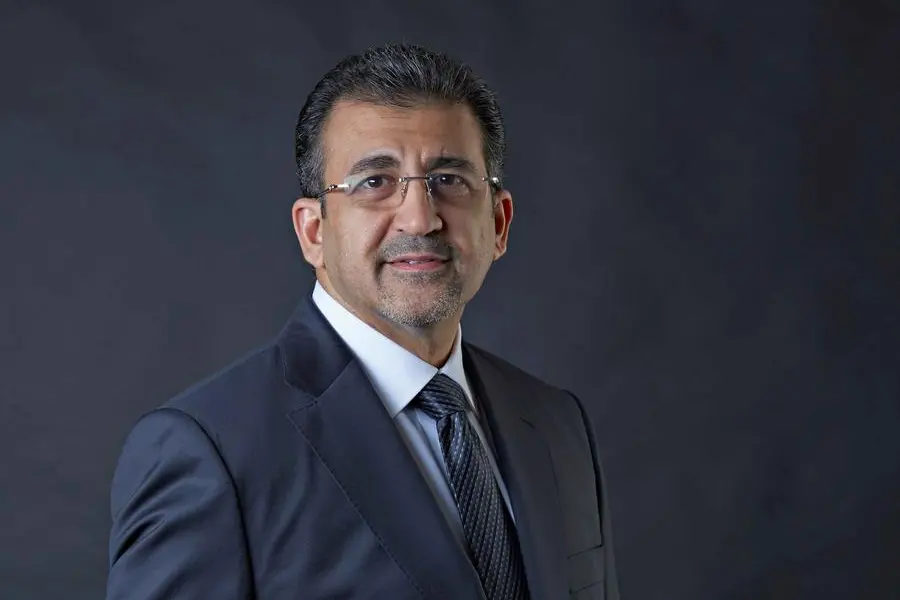
“But the real issue isn’t instability, everyone sees that. It’s whether the base holding Gulf money together still stands firm. This time around, things look shaky globally, prices jump, shift, then pause. Movement stutters when confidence dips. Uncertainty wears different masks. But here, what do you see? Beneath surface noise, strength lingers longer than news clips show. Something else moves quietly, shaping how steadily the region commits to future growth,” said Hayssam El Masri, Senior Executive Officer, Ento Capital.
Lately, the area's financial foundation has grown older. During the last ten years, GCC economies shifted away from relying on market flow toward systems built around oversight. Seen from outside as delay, it actually reflects tighter discipline in handling uncertainty. One out of every two dollars held by sovereign wealth funds worldwide sits within GCC nations. By 2023, financial markets across the Gulf region totaled $4.4 trillion, climbing up sharply from the year before. Jump forward to 2024, bond offerings hit $120 billion, part of a broader path toward $1 trillion by next year. Public listings? Just six appeared back in 2015; numbers jumped to 53 during 2024 alone. Money raised through these events pulled in $12.9 billion that year, dipped down to $5.8 billion in 2025, yet once soared to $28 billion in 2019. Assets stacked inside state-run investment pools now near $6 trillion. Instead of rushing to place money, those investing now aim to position it wisely, focusing more sharply on guarding against loss, seeing income clearly, and holding influence over daily operations. When trouble hits, this difference shows.
Well-managed capital doesn’t pull back, instead, it adjusts course. Not running away, but shifting gears quietly. What looks like stillness might actually be quiet repositioning. Stability here moves without panic. Even so, Gulf economies still stand on solid ground financially. Though growth expectations have dipped lately, and some see a brief downturn ahead, signs of serious harm to national finances remain scarce. Even with fighting going on, the UAE insists its spending plans stay the same. Thanks to smart economic moves made ahead of time, the country can handle global tensions without shifting course, according to the UAE’s foreign ministry. These goals remain steady, no adjustments to investments or future targets. Meanwhile, Saudi Arabia’s Public Investment Fund does not plan to alter its big-picture financial approach despite current circumstances. When market swings settle down, governments and state-linked groups in the region will likely return to international borrowing channels. Their goal stays unchanged, which is supporting major development plans over time. Frozen flows still hold value beneath the surface. When tensions rise, movement stalls, yet money never vanishes.
More recently, this resilience was reaffirmed during COVID-19 and the 2020 oil shock, where coordinated policy responses and strong fiscal buffers enabled GCC economies, particularly the UAE, to navigate volatility while maintaining investor confidence.
“Now here’s the third point, maybe the biggest one: The Gulf isn’t just betting on oil anymore. Even though today’s crisis reminds everyone how fragile energy routes can be, money in the area already moves differently than before. National visions started a decade ago executing plans to diversify economic reliance away from oil. Tech startups get attention now, so do transport hubs and city projects, as well as tourism, culture, and wellness endeavors. Mid-sized firms backed by local as well as regional investors play a bigger role too. Value grows where it didn’t used to. Right now, few changes stand out like the fast move to weave artificial intelligence into investing. By 2026, over fifty percent of private equity holdings in the MENA area should rely on AI to build value, proof that operators care less about number tricks and more about real business shifts. Far from being a minor blip, this marks a quiet but steady change in how money moves, grows, and proves its worth locally,” Hayssam continued.
What counts today is more than returns, it’s how they’re shaped behind the scenes. Right now, change is happening while rivals around the world struggle. Take Europe’s mid-sized firms. They’re stuck dealing with tangled rules and split-up authority, which drags things out. On the flip side, enterprises in the Gulf often operate under one roof, make choices quicker, and aren’t weighed down by old systems. Pressure reveals who has backbone, who doesn’t. Facing regional threats head-on, the GCC now leans more toward that earlier group. Just because something seems manageable doesn’t make the dangers small. A lasting war might keep shaking up shipping routes, scare off travelers, while making borrowing money tougher due to steeper insurance fees and broken supply chains. Fear lingers too, among traders as well as workers abroad and companies, all of which can drag on long after flames die down. Yet it's not just danger that drives markets forward. Positioning compared to others shapes how they move.
About Ento Capital
Ento Capital is a trusted adviser in asset management, corporate finance advisory and private equity, with a focus on ethical and Islamic investments in the Middle East and North Africa. Boasting a team track record of $4.6 billion in assets under management, the firm operates in Dubai International Financial Centre (DIFC) and is regulated by Dubai Financial Services Authority (DFSA). Expert in both conventional and non-conventional investment banking, Ento Capital’s leadership team brings more than 65 collective years of investment banking experience. The team is known for establishing unique and long-lasting partnerships with businesses and organizations throughout the MENA region.
For media inquiries, please contact:
support@keelcomms.com