Muscat, Oman: Policy makers, representatives of stock exchanges, not-for-profit organisations, insolvency profession and business leaders from the countries of the Middle East and North Africa,
Including Algeria, Bahrain, Egypt, Iraq, Jordan, Kuwait, Lebanon, Libya, Morocco, Oman, the Palestinian National Authority, Tunisia, Syria, Saudi Arabia, Qatar, Yemen and the United Arab Emirates,
Gathered with international and regional experts on the occasion of the 5th regional annual corporate governance conference
Organised by the Hawkamah Institute for Corporate Governance, the Organisation of Economic Co-operation and Development and the Oman Capital Markets Authority:
Convinced of the importance of good corporate governance for private and public sector development in the Middle East and North Africa;
Recognising the importance of good governance for attracting and retaining local and foreign investment;
Recognising the benefit of regional policy dialogue on corporate governance policies and practices led by Hawkamah Institute for Corporate Governance, the OECD and other organisations working in the region;
Willing to work jointly with relevant national, regional and international organisations and standard setters;
Affirming the need for ongoing regional dialogue on improving corporate governance practices of all types of enterprises in the region;
Noting the progress made by the regulators in improving corporate governance frameworks and by the private sector in implementing emerging regulations and recommendations;
Acknowledging the important lessons learned from the financial crisis on improving corporate governance frameworks and practices;
Recognise that regulators and policymakers should continue improving the legal and regulatory frameworks underpinning national governance systems, taking into account lessons learned from the recent financial crisis;
Note that, as supported by analyses of corporate governance frameworks in the region as well as global developments, particular attention needs to be paid to board composition and responsibilities, shareholder rights and responsibilities, and the governance of risk management;
Agree that while executive compensation has not so far emerged as a significant governance issue in most of the MENA region, better understanding of remuneration practices (especially in public companies) is necessary in order to ensure that remuneration systems align incentives with the longer term interests of such companies;
Support ongoing revisions of national governance codes to incorporate lessons from the financial crisis and welcome the efforts of some jurisdictions in the region to encourage compliance with national codes;
Encourage policy makers and regulators to focus on improving the transparency and disclosure of enterprises, both in terms of financial and non-financial elements, including, inter alia, disclosure on related party transactions, conflicts of interest, executive compensation and board structures;
Raise public awareness and encourage training and educational initiatives on corporate governance in schools and universities and specialized institutes,
Encourage companies to provide greater non-financial disclosure, including on their risk management processes, environmental and social impact, and stakeholder relations;
Advise regional banks to implement the recommendations of the regional Policy Brief on Improving Corporate Governance of Banks in the Middle East and North Africa;
Request that international, regional and national organisations support efforts to raise awareness of good governance practices in the banking sector among representatives of bank boards, executives and regulators;
Review the listing and other requirements for publicly held companies, alongside other relevant legal and regulatory requirements, to ensure that collectively, they provide the basis for an effective corporate governance framework;
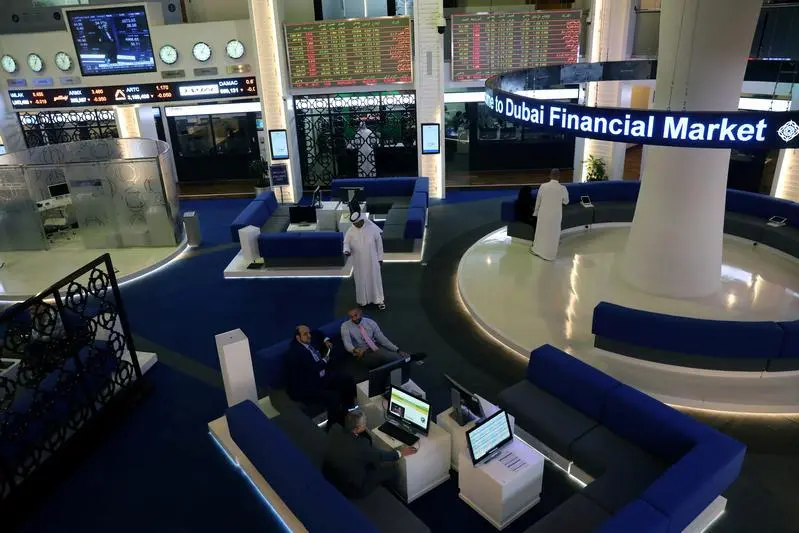
Mandate international and regional organisations to commence a project on the role of stock exchanges in corporate governance in order to gain a better understanding of how they and other securities regulators can improve governance practices of listed companies;
Request that a designated Taskforce comprising representatives of regional stock exchanges be established in the context of OECD's Working Group on Corporate Governance in the MENA region in order to facilitate policy dialogue and exchange of good practices;
Call for an analysis of the role of stock exchanges in improving corporate governance of listed entities with the view to increase investor confidence and attract long term investors and institutional capital,
Support the ongoing work of the regional Taskforce on Corporate Governance of State-Owned Enterprises, noting the productive discussions in the last meeting of the Taskforce on 23-24 October in Egypt;
Welcome the issuance of corporate governance codes, directives or instructions on improving governance of state-owned enterprises, acknowledging that better governance outcomes in state-owned enterprises can be achieved through a variety of means and policies,
Encourage the establishment of appropriate corporate governance frameworks for state-owned enterprises, addressing in particular the following areas: board nominations and processes, transparency and disclosure, streamlining SOE forms and establishing a coordinated ownership policy/entity;
Welcome the effort to document experiences with corporate governance reform of state-owned sectors/individual SOEs in the MENA region in a regional publication;
Encourage regulators, academics and the private sector to collaborate with the OECD and Hawkamah as a Secretariat for this work;
Request for MENA countries to volunteer hosting subsequent meetings of the Working Group and the aforementioned Taskforces in 2011-2012;
Note the shortcomings in the governance of regulators across the world highlighted by the financial crisis and encourage a productive dialogue around the governance of MENA regulators and how it may be further reinforced;
Recommend that an ongoing dialogue regarding corporate governance arrangements of non-listed firms be continued in order to create custom governance regimes appropriate for them;
Support the launch of the Forum for Insolvency Reform (FIRM) in the region (created by the Hawkamah Institute for Corporate Governance, the OECD, the World Bank and INSOL International) and encourage it to provide support to policymakers in the region;
Suggest that governments from across the region use FIRM as a forum for policy dialogue for insolvency as well as a source of technical policy advice on insolvency reform related issues;
Request for MENA countries to volunteer hosting the subsequent meetings of FIRM
Request for MENA countries, regulators, academics, professional organizations and the private sector to sponsor and support Hawkamah as the Secretariat for the FIRM.
Invite relevant international and regional organisations to work with local corporate governance institutes of directors on the aforementioned subjects and request a progress report at the 6th annual corporate governance conference; and finally,
Express gratitude to the Oman Capital Markets Authority for hosting the 5th Annual Corporate Governance Conference in the MENA region.
-Ends-
© Press Release 2010