PHOTO
- Ministers reviewed the latest developments in advancing economic unity among GCC states
- Meeting examined the outcomes of central bank governors’, customs union, tax administrations and GCC common market committee meetings
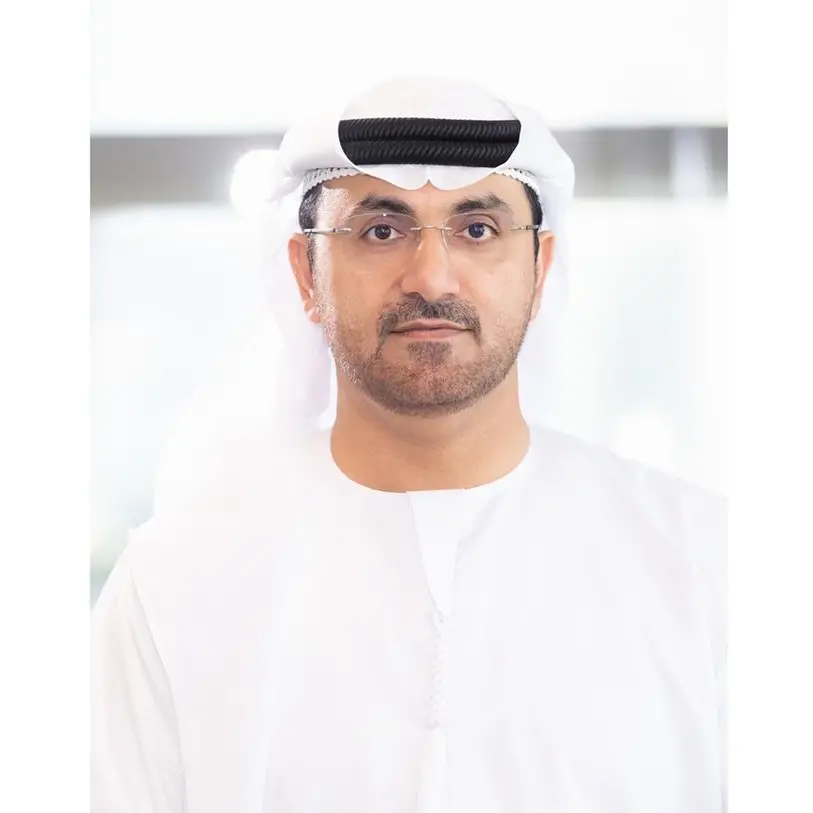
H.E. Mohamed bin Hadi Al Hussaini:
“We are moving forward with an ambitious vision that places the aspirations of Gulf citizens at the forefront, while striving to build a resilient financial and economic system that strengthens our global standing.”
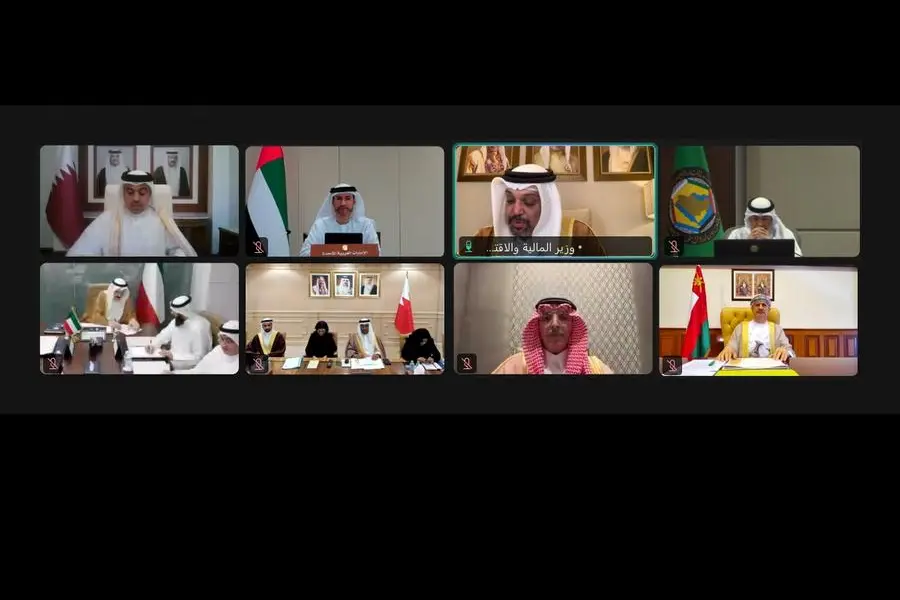
United Arab Emirates – The United Arab Emirates participated in the 125th meeting of the Financial and Economic Cooperation Committee of the Gulf Cooperation Council (GCC), with the UAE delegation headed by H.E. Mohamed bin Hadi Al Hussaini, Minister of State for Financial Affairs. The delegation also included H.E. Younis Haji AlKhoori, Undersecretary of the Ministry of Finance, H.E. Ahmed Abdullah bin Lahej Al Falasi, Acting Director General of Customs and Ports Security at the Federal Authority for Identity, Citizenship, Customs and Port Security, alongside several specialists from the Ministry of Finance.
The meeting covered a broad range of strategic issues shaping the future of GCC financial and economic cooperation. Discussions centred on reviewing the outcomes of the committees of central bank governors, the customs union, tax administrations and the GCC Common Market. Participants also explored mechanisms designed to protect international trade from harmful practices, alongside efforts to strengthen national industries through the review of customs policies. The meeting further reviewed GCC participation in major international forums to support the adoption of global best practices that align with the development aspirations of GCC member states.
An Ambitious Vision
H.E. Mohamed bin Hadi Al Hussaini said: “This meeting, alongside the significant efforts led by the technical teams and the Undersecretaries Committee, reflects the GCC states’ unwavering commitment to advancing economic integration. We are moving ahead with an ambitious vision that places the aspirations of Gulf citizens firmly at the forefront of our priorities. Through continued coordination and a shared vision, we seek to build a resilient financial and economic ecosystem capable of adapting to global shifts, while reinforcing our position as an influential force in the global economy.”
His Excellency added: “Our discussions focused on a number of strategic outcomes that lie at the heart of joint GCC financial cooperation, most notably the GCC Common Market Action Plan for 2026–2028 and the new customs facilitation regulations. Together, these measures represent tangible steps towards easing the movement of individuals and capital across GCC markets. Advancing the adoption of updated frameworks to combat harmful trade practices and safeguard strategic national industries will further enhance our ability to protect economic gains, while fostering a transparent and competitive investment environment that supports long-term growth and sustainable expansion.”
He concluded: “Our review of the progress made in free trade negotiations, alongside the continued steps towards deeper economic unity, reflects how joint GCC action is increasingly being shaped by strong technical foundations and well-considered economic studies aligned with international best practices. We remain firmly committed to advancing this path in a way that drives sustainable growth, expands investment opportunities, and translates unified policies and decisions into tangible outcomes that enhance the wellbeing of our societies and reinforce our competitiveness on the global stage.”
Strengthening Economic Integration
During the meeting, several key decisions were adopted, including the approval of the GCC Common Market Committee’s Action Plan for 2026–2028, the implementation process for the amended measures aimed at combating harmful practices in international trade, and the extension of increased customs duties on reinforcing steel and steel coils.
Participants further endorsed the outcomes of the 86th meeting of the GCC Central Bank Governors Committee, the 15th, 16th and 17th meetings of the Customs Union Authority, the 16th meeting of the Committee of Heads and Directors of Tax Administrations, and the 44th meeting of the GCC Common Market Committee.
Their Excellencies also reviewed the General Secretariat’s report outlining the measures taken in response to current developments, alongside updates on the progress of free trade agreement negotiations between GCC states and various countries and international blocs. Ministers were further briefed on the latest developments related to Gulf economic unity, in addition to a range of economic and development integration studies and projects overseen by the Office of the Economic and Development Affairs Authority.
Preparatory Meeting of Undersecretaries
Ahead of the ministerial meeting, the GCC Ministries of Finance Undersecretaries Committee held a preparatory session to discuss all agenda items requiring decisions, including the outcomes of the technical working group tasked with assessing international events and developing a framework for GCC participation in line with international best practices. The committee also reviewed a paper submitted by the Technical Secretariat Office on proposed amendments to the mechanism for combating harmful trade practices, ensuring that technical recommendations remain aligned with the strategic vision of GCC leaders before being referred to the Financial and Economic Cooperation Committee for approval.
The Ministry of Finance continues to lead the UAE’s efforts to advance Gulf economic integration, reinforcing the country’s position and influence within the GCC Common Market and supporting the UAE’s wider vision for deeper regional economic cooperation. Through these efforts, the Ministry aims to unlock broader opportunities and benefits for individuals and businesses alike, while helping to drive sustainable growth and shared prosperity across GCC member states.