PHOTO
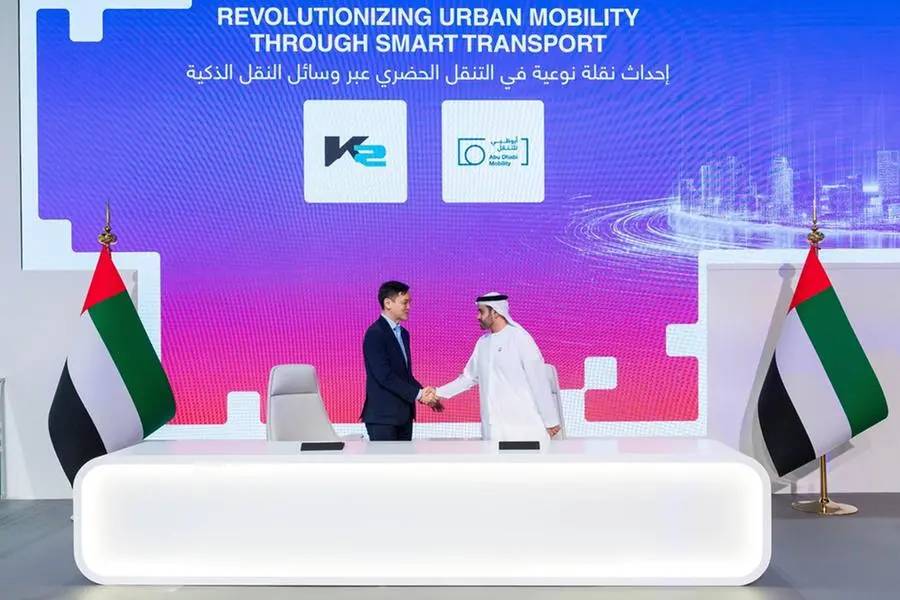
Abu Dhabi – The Integrated Transport Centre (ITC), an affiliate of the Department of Municipalities and Transport in Abu Dhabi, has signed a Memorandum of Understanding (MoU) with “K2” during GITEX Global 2025, as part of its efforts to accelerate the shift towards a smart and sustainable transport ecosystem that enhances quality of life and fosters innovation in the mobility sector.
The MoU aims to develop the regulatory and operational frameworks for smart mobility in Abu Dhabi. This includes autonomous vehicles, delivery robots, and unmanned aerial vehicles for goods and passenger transport (air taxis). It also supports research and development in artificial intelligence, machine learning and sustainable mobility, alongside specialised training programmes and workshops to build national capability and upskill professionals in the field. This is being carried out in collaboration with K2, a global leader in advanced smart systems for robotics and autonomous mobility.
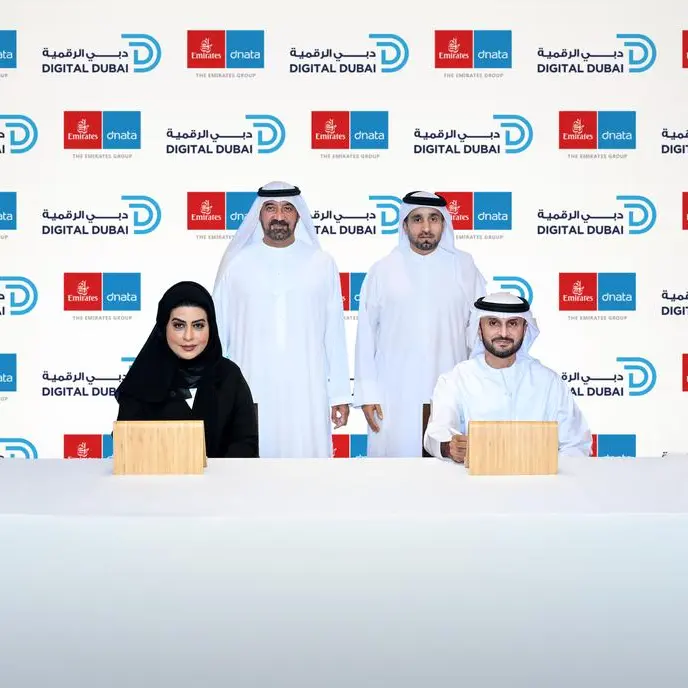
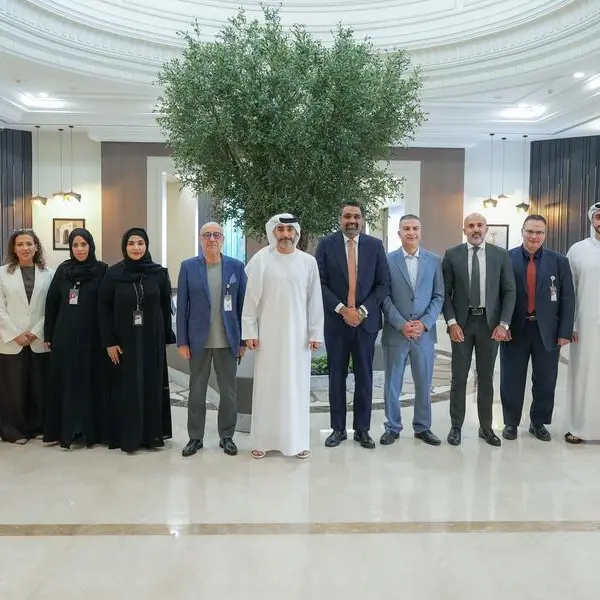
The MoU was signed by Dr Abdulla Hamad AlGhfeli, Acting Director General of the Integrated Transport Centre, and Mr Sean Teo, Managing Director of K2, in the presence of senior officials from both organisations, reinforcing public-private collaboration to drive innovation in urban transport.
Under the agreement, the Integrated Transport Centre will oversee the strategic and technical aspects of joint projects and initiatives, including identifying zones and routes for pilot operations and securing the necessary licenses and approvals with relevant authorities to ensure a safe and efficient environment for deploying smart mobility solutions. K2, for its part, will lead operational trials of smart mobility systems and share research findings and performance indicators to support the integration of intelligent solutions into the public transport network.
Commenting on the signing, Dr Abdulla Hamad AlGhfeli, Acting Director General of the Integrated Transport Centre, said: “This partnership reflects ITC’s commitment to advancing innovation within Abu Dhabi’s smart mobility ecosystem by harnessing cutting-edge technologies in autonomous transport and artificial intelligence. The agreement supports the Emirate’s drive to develop a safer, more efficient and environmentally friendly transport system that enhances quality of life and cements Abu Dhabi’s position as a leading destination for smart mobility.”
Mr Sean Teo, Managing Director of K2, said: “Our partnership with the Integrated Transport Centre marks a pivotal milestone in the evolution of smart mobility. At K2, we are committed to building safe, smart, AI-enabled systems that promote sustainability, empower national talent and translate innovation into real-world applications. Through this collaboration, we aim to deploy advanced technologies, from autonomous delivery vehicles and self-driving taxis to uncrewed aircraft for goods and passenger transport, to deliver practical solutions that enhance the efficiency of the smart transport ecosystem.”
Both parties affirmed that this partnership represents a significant step in supporting Abu Dhabi’s efforts to build a smarter and more sustainable transport network, to ease congestion, reduce emissions and strengthen the Emirate’s standing as a global hub for transport innovation.
About Integrated Transport Centre:
The Integrated Transport Centre (ITC), affiliated with the Department of Municipalities and Transport, is the legislative, regulatory, and supervisory authority responsible for managing and developing the transport sector in the Emirate of Abu Dhabi. It formulates policies and frameworks aimed at establishing a smart, safe, and integrated mobility system that supports the Emirate’s aspiration to be among the most advanced cities in the world.
ITC oversees all land, maritime, and aviation transport activities across the Emirate, ensuring the integration and advancement of the mobility system in line with urban expansion and population growth. It also strives to harness the latest technologies, innovation, and sustainability tools to meet future mobility demands, enhance quality of life, and redefine urban living standards by embedding advanced solutions and promoting sustainable mobility practices.