PHOTO
Sharjah: Financial clarity, data-driven strategy, and emerging technologies shaped the opening day of the Sharjah Entrepreneurship Festival 2026, setting a practical, execution-focused tone for the ninth edition of the event. The program emphasized informed decision-making and scalable growth, positioning founders not as spectators, but as active builders.
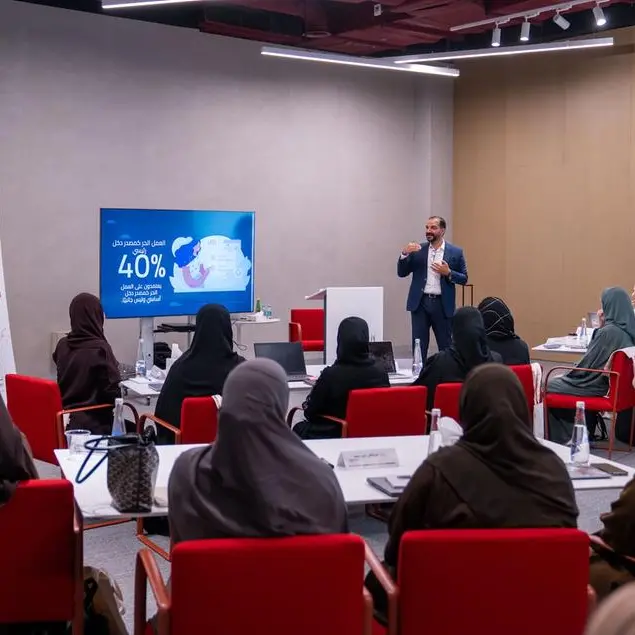
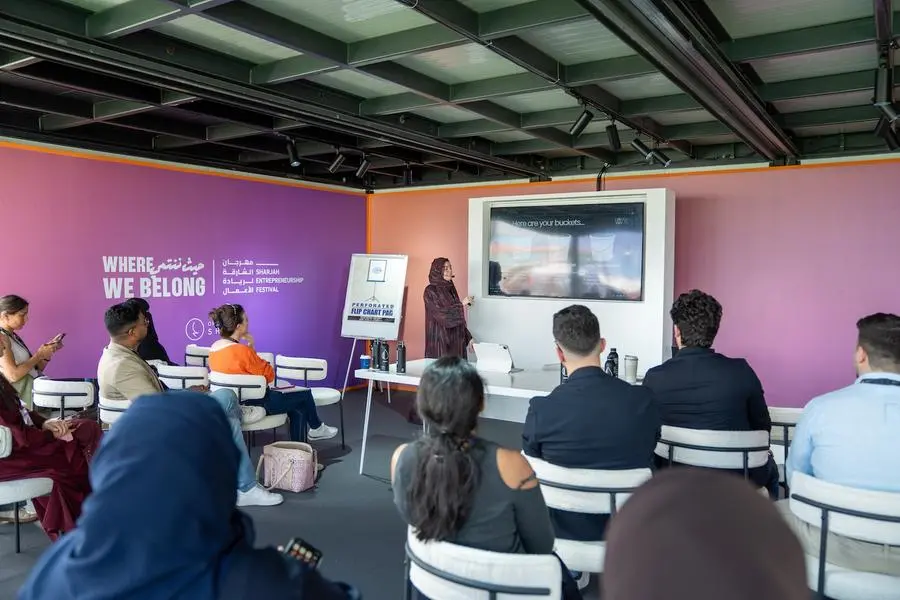
Across a series of masterclasses held on Saturday, industry practitioners translated complex concepts into applied tools, offering founders and operators frameworks designed for immediate use across real business contexts.
Building financial clarity for sustainable growth
Shahd Abdelhadi, Co-Founder of Women Who Invest, led a masterclass titled Money Mastery 101: The Do’s and Don’ts of Saving and Investing, examining the fundamentals of saving, budgeting, and investing through both personal and business lenses. The session positioned financial clarity as a prerequisite for sustainable growth, encouraging participants to approach capital management with structure and long-term intent.
Participants explored practical methods for aligning short- and long-term financial goals, allocating resources efficiently, and distinguishing between stability and growth. Abdelhadi also addressed how founders and organizations can assess returns beyond immediate financial metrics, pointing to skills development, operational resilience, strategic partnerships, and long-term value creation as essential indicators of effective investment decisions.
Why location analytics matters for startups
Isaias Thomas Biju, Head of UX/UI Design, Year 2 – BSc Computer Science, Heriot-Watt University Dubai, led the workshop Geo Game-Changer: Turning Geolocation Data into Profit, demonstrating how startups can use geospatial data as a strategic asset rather than a basic mapping function. The session introduced structured query language as a tool for managing and analyzing location-based data, linking global best practices with regional business priorities.
Biju highlighted that many companies underutilize location data, limiting insight into demand patterns, service coverage, and cost efficiency. He explained how decisions around store locations, offices, and warehouses directly influence supply chains, operational performance, and long-term planning. Emphasizing the growing relevance of location analytics, he cited retail as accounting for approximately 21 percent of the global market, with projections indicating growth from around $27 billion in 2026 to more than $63 billion by 2034.
Turning AI automation into business impact
In the masterclass Artificial Intelligence Automation for Businesses, Philip Wride examined how artificial intelligence is currently being deployed across industries to improve efficiency and customer engagement. Drawing on more than two decades of experience in technology and automation, including work with EA Sports, Disney, OSN, and Aramex, Wride translated technical concepts into practical applications for non-technical founders.
The session explored AI agents used to manage automated conversations across platforms such as Instagram, WhatsApp, and company websites, functioning as virtual receptionists, sales assistants, and customer support tools. Wride also introduced autonomous AI agents that integrate directly with business systems to execute tasks independently. The session concluded with a demonstration of “vibe coding,” showing how conversational AI enables users to build websites, applications, and platforms using natural-language prompts rather than traditional coding.
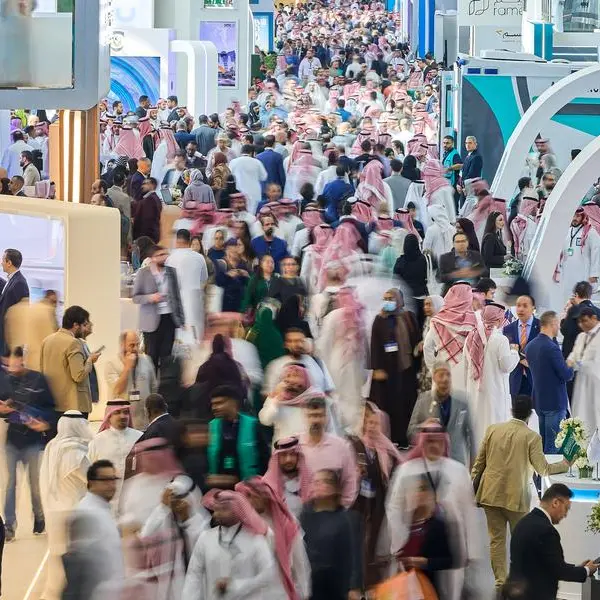
More than 14,000 participants from across the region and around the world are expected to take part in SEF 2026, which is being held at the Sharjah Research, Technology, and Innovation Park (SPARK) and organized by the Sharjah Entrepreneurship Center (Sheraa). Entrepreneurs, professionals, investors, and talent are attending a full program examining the realities of starting, growing, and sustaining businesses in an increasingly complex economic environment.