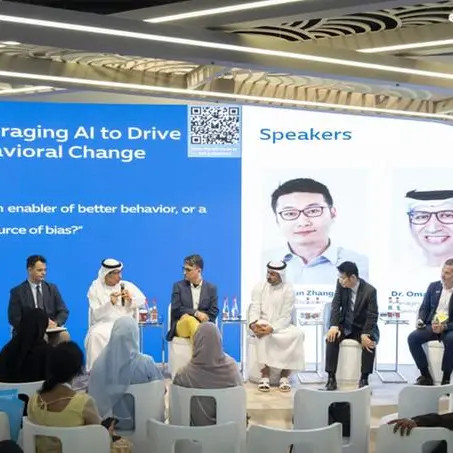
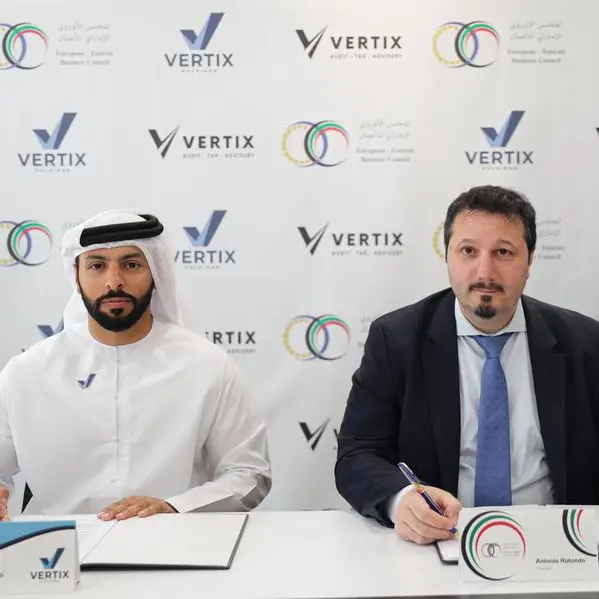
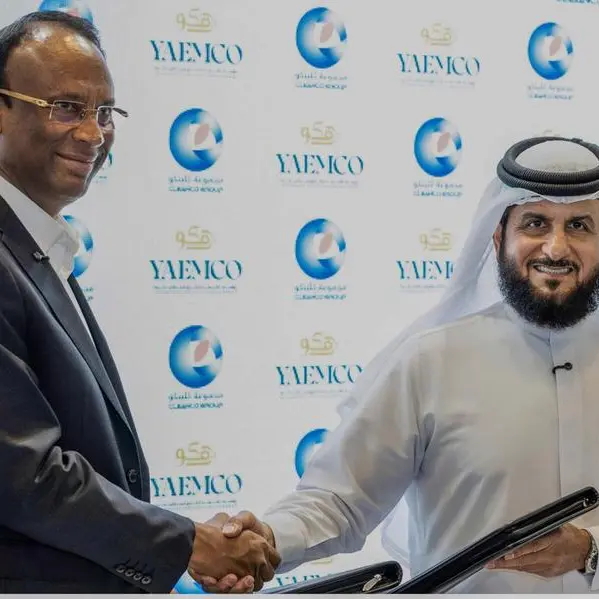
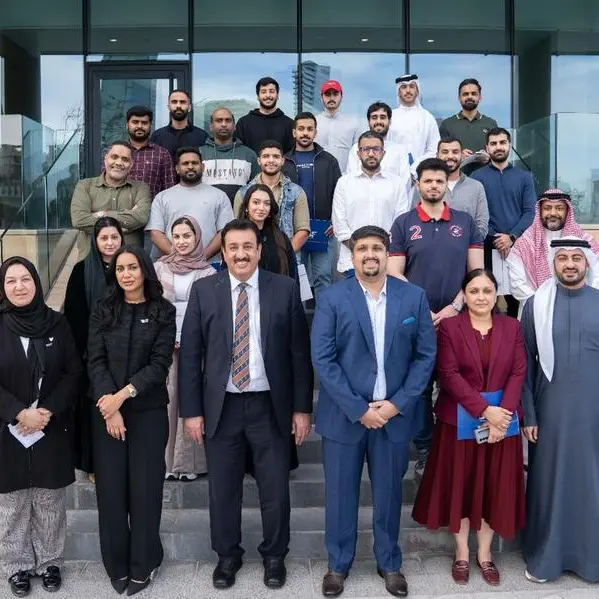
Dubai Chamber of Commerce & Industry (DCCI) yesterday organized a seminar on the "Impact of World Trade Organization (WTO) and Free Trade Agreements (FTA) on Financial Services, Communications and Commercial Agencies in the UAE" aiming to introduce the participants, including government officials, economic experts, businessmen and entrepreneurs of the UAE private sector, to the benefits and influences of these agreements on business sectors, as well as its pros and cons on the economy in general.
The seminar, held under the patronage of Her Excellency Shaikha Lubna Al Qasimi, UAE Minister of Economy, was attended by H.E. Abdullah Bin Ahmed Al Saleh, Under Secretary of the Ministry of Economy, Nariman Al Awadhi, Senior Manager, In-charge of Int'l Trade Agreement Team at the Central Bank of the UAE, Fareed Lutfi, Secretary General at the Emirates Insurance Association, Sultan Lootah, Manager of Business Promotion Department at the DCCI, and a number of its members and department heads, as well as a large number of economists, companies CEOs, businessmen and local media representatives.
Sultan Lootah, Manager of Business Promotion Department at the DCCI, said the DCCI organizes this seminar in cooperation with the Ministries of Economy and Finance and Industry, Telecommunication Regulatory Authority, Central Bank of the UAE, Emirates Insurance Association and the Insurance Business Group that operates under the DCCI umbrella. He added the seminar is one of the DCCI's important initiatives offered to its members and the local business community to help introduce them to the latest in the world of trade and economy, and to help them be able to cope with the world economic changes through enhancing their awareness about the latest issues related to the FTA and WTO agreements.
"The topic of this seminar provokes the interest of the attendees of businessmen, economists and investors who are eager to learn more about the pros and cons of the WTO and FTA and its impacts on different economic sectors in the UAE, mainly the financial, communications and commercial agencies which make part of the country's economic pillars," said Lootah.
Lootah stressed DCCI's continuous interest in providing value-added services to its members to help them improve their businesses, open new channels of knowledge to learn about others' experiences and help enhance their awareness about the most significant economic issues that are of great interest to the local and international business community such as the WTO and FTA.
The seminar's main topics include trade and economic development, the impact and implications of FTA on banking sector, its effects and implications on insurance sector, communication services sector in the framework of the WTO and FTA, the future of commercial agencies in the framework of the WTO and FTA, and the legal effects of the WTO and FTA.
H.E. Abdullah Bin Ahmed Al Saleh, Under Secretary of the Ministry of Economy, highlighted the importance of this seminar and the topics it discussed stressing the necessity of setting an integrated policy that ensures obtaining the benefits of these agreements and to re-evaluate and develop the present commercial policies to cope with new course of international trade.
"Liberating trade exchange is compulsory to achieve a fast economic growth that offers the necessary sources to reach a comprehensive development. Yet, it is still necessary to prepare new policies parallel to the liberating policy of trade exchange to help make trade an incentive for economic growth," Al Saleh added.
He pointed out that involving trade in a country's comprehensive plan of growth depends on several factors such as analyzing the production indicators as the rates of exports, imports and foreign investments to GDP. A recent report issued by the WTO last April revealed that the UAE's exports and imports represent 145% of the country's GDP. The second factor stated the importance of setting macro-economic policies that aim at achieving strong economic growth, providing job opportunities, stable prices and attractive environment of investment, as well as supporting financial systems by developing stock markets. The third factor represents the importance of respecting the law and regulations of setting justice, whereas the fourth factor calls for the need to enhance competitiveness.
Al Saleh noted that other factors also include developing national expertise by upgrading levels of education and creating a database about commercial barriers, mainly the non-tariff barriers, which hinder the flow on exported commodities to other markets, in addition to the importance of implementing an overall evaluation to the policy of involving trade in the comprehensive development plan to trace its impacts and implications on business sectors.
Nariman Al Awadhi, Senior Manager, In-charge of Int'l Trade Agreement Team at the Central Bank of the UAE, pointed out that the major issues related to the FTA negotiations include Emiratization in financial sector (particularly in banking), demographic consideration as far as ownership, shareholding and board representation in financial institutions are concerned, security of assets, support and encourage growth of domestic financial private sector, consider permitting only top financial institutions to operate in the country, and safety of the financial service sector.
She noted that the main requests by FTA negotiating countries concerning financial services include the necessity of having no restrictions on the number of bank licenses, setting up branches of foreign banks, foreign ownership, employment of senior management and the nationality of Board representation. Besides, there must be no restrictions on transfers and to have transparency in applications of regulations and licensing procedures.
Fareed Lutfi, Secretary General of the Emirates Insurance Association, said that WTO became a reality of the new world and its role is expecting to rise soon. He noted that the structure, investments and regulatory legislations of the insurance sector in the UAE and other Arab countries needs to be re-considered to help the creation of large new insurance corporations that are capable of dealing with the new commercial, investment and technological changes.
Lutfi said that these new insurance corporations would be able to act effectively in the implementation process of the world trade agreements, mainly those related to insurance and re-insurance, to provide these agreements with new opportunities to expand the perspectives of insurance in the Arab world to be able to face the foreign competitive counterparts.
This press release is issued by Dubai Chamber of Commerce & Industry. It is a non-profit, semi-government establishment that was set up in 1965 by a virtue of late Shaikh Rashid bin Saeed Al Maktoum. Dubai Chamber aims to be recognized as an indispensable source of competitive advantage for the business community in Dubai. It also looks for being the chosen institution that represents, protects and promotes the interests of the Dubai business community through providing value-added services that create new business opportunities, and promoting global competitiveness of Dubai-based businesses
The speakers of the seminar were lashed with questions and inquiries by the attendees and media representatives about the advantages and disadvantages of the FTA and WTO agreements.-Ends-
© Press Release 2006