PHOTO
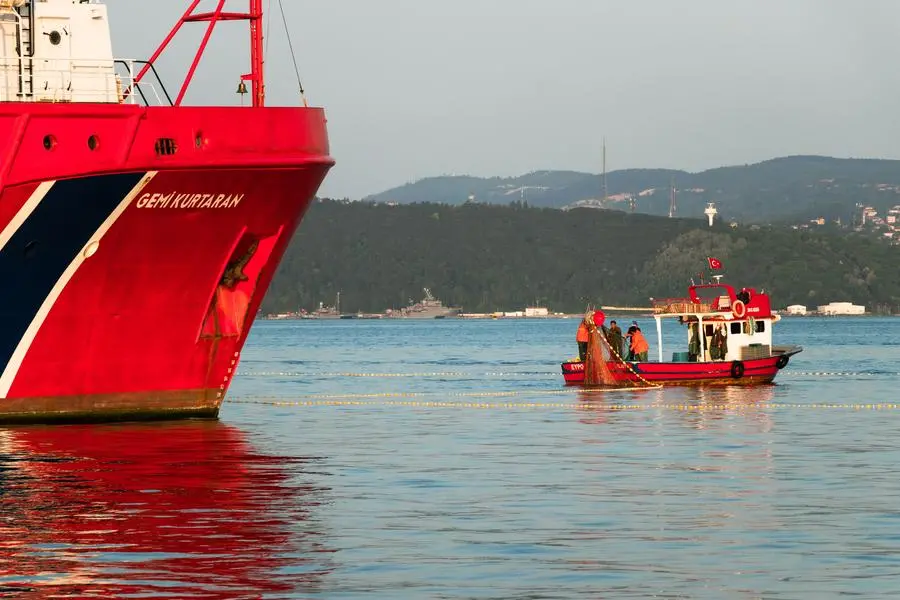
Maritime – This week marks National Marine Week, commemorated each year from 7 – 11 October; as part of National Marine Month. This important week shines the spotlight on South Africa's maritime sector and provides an opportunity to explore different aspects of the sector from available resources and their impact on the delivery of cargo and infrastructure, to maritime safety and security, and the overall contribution of the sector to the economy.
According to the Comprehensive Maritime Transport Policy (CMTP) for South Africa, it is estimated that seaborne trade affects a staggering 80 to 90% of the nation's economic activity. In essence, the maritime sector serves as the heartbeat that sustains South Africa's economic vitality. According to the International Maritime Organisation (IMO), 90% of the world trade is carried out by the shipping industry mainly because of its affordability. However, the activities carried out in this sector make it one of the most dangerous.
Every year, thousands of dedicated crew members contribute to this thriving sector, embarking and disembarking from their vessels, and navigating the extensive South African coastline, and busy ports. These seafarers come from far and wide to join their respective ships for extended periods and perform different roles and responsibilities, making their contributions to the global economy through this sector.
Jonathan Renecle, National Operations Manager of Servest Marine says that, as we celebrate National Marine Week, we are reminded of the importance of the contributions made by seafarers and the importance of maritime safety and security, which should remain at the centre of all maritime operations. “At the top of priorities for every vessel owner should be the safety of the crew members during launch and transfer and ensuring that at the end of the day or upon completing their contract they are reunited with their families,” he says.
Renecle explains that, globally, shipping safety standards are governed by the IMO, and in South Africa by the South African Maritime Safety Authority (SAMSA). While the onus is on vessel owners to ensure the safety and security of crew members, it’s important for members to also serve as watchdogs to be able to hold vessel owners accountable for their safety and security; and to make sure that all relevant safety and statutory requirements are in place and comply with ISO standards of accreditation.
“One of the areas that we have been working on to improve safety and security challenges in the maritime sector is to ensure the safety, security, and statutory requirements are in place and are complemented by ISO 45001, 9001 and 14001 accreditations,” Renecle says.
He further explains that to ensure safety at sea when conducting off-port limits operations (OPLs), the minimum safe manning of the vessels should ensure that there are enough crew members to assist personnel during the transfer process.
“It is widely known that human error remains one of the biggest contributors to safety and security risks in this sector, and that much more needs to be done to improve overall safety and security. Safety measures should include the appointment of a safety officer on each of our vessels. Furthermore, vessel owners need to promote a culture of safety where crew members are empowered sufficiently to take decisions to halt or pause operations if they feel unsafe or unable to board a vessel at sea,” Renecle urges.
Maritime safety and security, in its entirety, should involve a holistic approach to safeguarding ports, vessels, and crewmembers, protecting the environment and the surrounding communities from accidental risks and harm, as well as the protection of assets and maintaining the integrity of global trade.
According to Servest Marine, when speaking about maritime safety and security, it is important to ensure that vessel owners prioritise reducing the risk of accidents and casualties in the maritime transport sector, as well cutting down on the pollution and degradation of the maritime environment.
“It is imperative that they support the development and transformation of the maritime industry, focusing primarily on the development of ship registry systems that uphold the highest safety and security standards” says Renecle.
In addition to programmes that focus on international standards of training, certification and watchkeeping for seafarers adopted by the IMO, for example, personal survival techniques, fire prevention and firefighting and elementary first aid, among others, should be mandatory for crew members. Furthermore, thorough safety inductions should be carried out for seafarers, surveyors, and technicians signing onto a vessel as well as seafarers that are signing off from vessels, to familiarise teams with overall safety and security requirements.
“This proactive approach will not only serve to mitigate the potential for human errors but also substantially reduce the broader spectrum of safety and security risks inherent in this indispensable sector,” concludes Renecle.
-Ends-