PHOTO
- Gulf private giving at $210 billion — increasingly channelled toward education, healthcare, and climate innovation
- Special Envoy Badr Jafar calls philanthropy the “glue” binding political will and business innovation, citing Green Revolution and mRNA vaccines as proof of what catalytic capital can achieve
- SPARK positioned as a regional hub where philanthropic capital, research talent, and innovation infrastructure converge
Sharjah, UAE — The global philanthropy landscape is undergoing a fundamental shift. With philanthropic flows now exceeding $1 trillion annually — more than triple the world’s combined humanitarian and development aid — a growing share of that capital is moving beyond traditional charity toward strategic investment in research, science, and innovation.
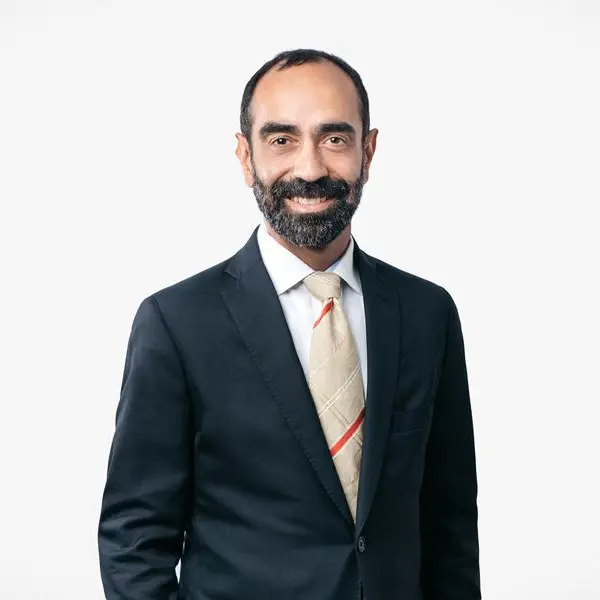
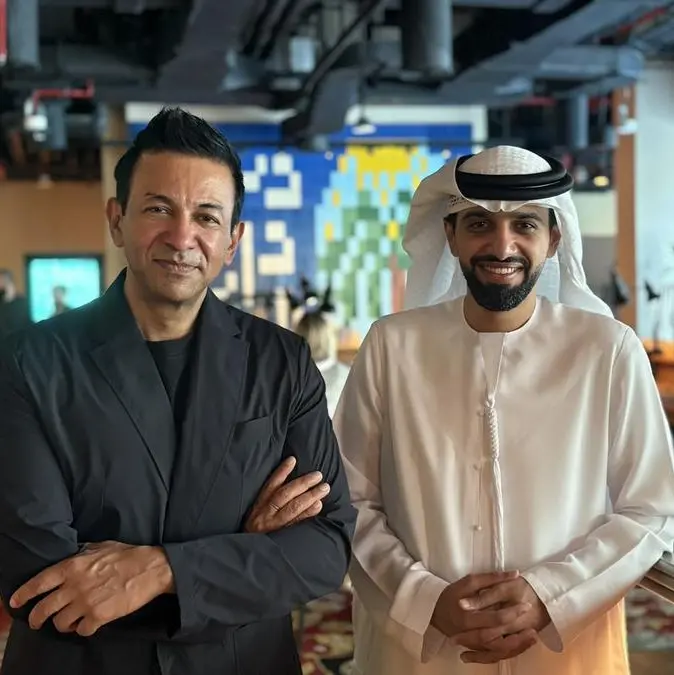
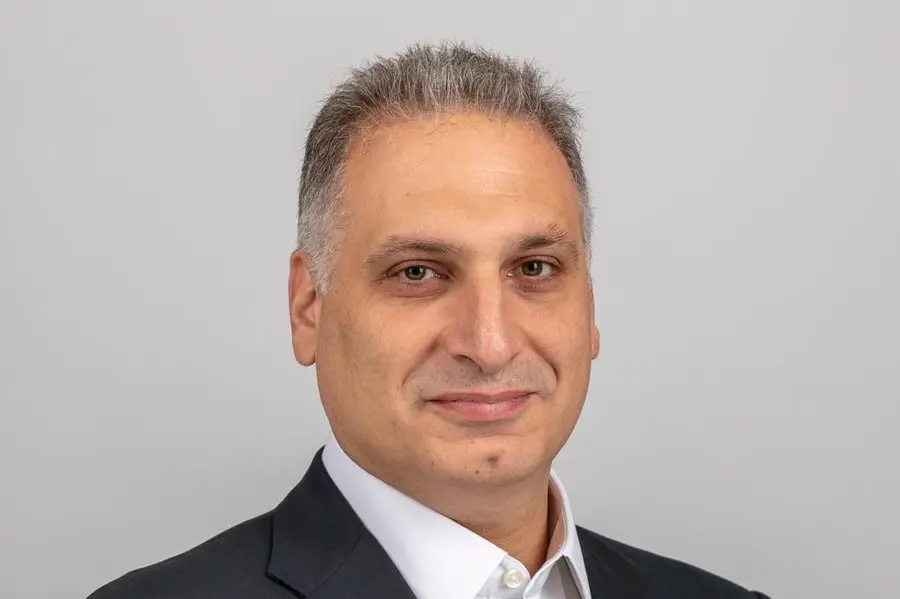
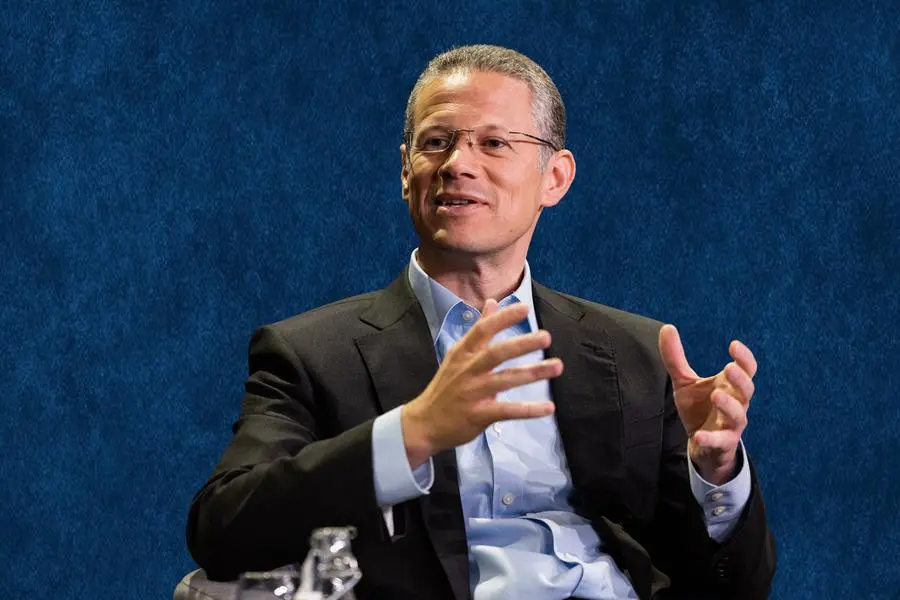
That was the central message from a webinar hosted by the Sharjah Research, Technology and Innovation Park (SPARK) on 25 February, featuring H.E. Badr Jafar, Special Envoy of the UAE Minister of Foreign Affairs for Business & Philanthropy and author of The Business of Philanthropy, in conversation with H.E. Hussain Almahmoudi, CEO of SPARK.
Badr Jafar described the current moment as a “generational turning point,” noting that up to $90 trillion in wealth is expected to transfer to the next generation globally, with over $1 trillion shifting in the Middle East alone. He argued that the next generation of wealth holders are approaching giving with a fundamentally different mindset, demanding strategy, accountability, and measurable outcomes.
“At its best, philanthropy doesn’t just respond to crises. It helps shape the systems that prevent them,” said Badr Jafar, describing a shift “from reactive to generative” giving.
He pointed to powerful historical precedents. The Rockefeller Foundation’s early funding of agricultural scientist Norman Borlaug in the 1940s sparked the Green Revolution, credited with saving over a billion lives. The March of Dimes’ $230 million philanthropic investment led to Jonas Salk’s polio vaccine. And the mRNA technology behind COVID-19 vaccines was kept alive by early-stage philanthropic and research funding when no commercial investor would touch it.
“These aren’t isolated stories,” Badr Jafar said. “They illustrate a consistent pattern: philanthropic capital is uniquely suited to fund the early-stage, the unproven, the long-horizon work that other capital won’t touch.”
The discussion turned to the scale and evolution of giving in the Middle East. Islamic philanthropy is estimated at $400 billion to $1 trillion annually, with private giving from the Gulf at approximately $210 billion per year — larger than the GDP of most countries.
Badr Jafar noted that what is changing is not the spirit of giving but its infrastructure and intentionality. Capital is flowing increasingly toward education, healthcare, technology, and climate solutions, with donors asking harder questions about proof, scale, and sustainability.
He described the UAE’s approach as a “platform mindset” — the same model that has driven the country’s success in renewable energy, space, humanitarian logistics, and aviation — now being applied to philanthropy and innovation, adding “In many parts of the world, philanthropy and innovation are still treated as separate conversations. In the UAE, we have a real opportunity to integrate them,” he said, “because the tradition of giving is so strong and the appetite for innovation is so high.”
Hussain Al Mahmoudi, CEO of Sharjah Research, Technology and Innovation Park, commented: “The world is witnessing a significant shift in the role of philanthropy - transforming from traditional giving models into long-term strategic investment in knowledge, scientific research, and innovation. At the Sharjah Research, Technology and Innovation Park, we believe that directing philanthropic capital into innovation ecosystems unlocks new opportunities to generate both societal and economic impact in a sustainable way. Our approach is driven by a clear vision to bridge scientific research with real-world application, and to build an integrated environment that brings together universities, startups, investors, and philanthropic institutions within a unified ecosystem capable of accelerating knowledge creation and translating it into scalable solutions.
"Through our research platforms and innovation and entrepreneurship support programs, we promote cross-border partnerships and tailored philanthropic initiatives that strengthen the flow of knowledge capital into the region. We are positioning the Park as a leading regional model that demonstrates how the convergence of philanthropy and innovation can create lasting value, support the economy of the future, and deliver meaningful impact for society."
Jafar identified three criteria that global philanthropic institutions look for when deploying capital: clarity of purpose, credibility of governance, and connectivity of ecosystem. He stated that SPARK is well-positioned to meet all three, building on Sharjah’s distinctive identity around knowledge, research, and culture within the wider UAE innovation landscape.
He outlined specific roles philanthropy can play within innovation parks: funding early-stage research translation, building talent pipelines through scholarships and fellowships, backing challenge-driven innovation, and providing patient capital that de-risks new solutions before they reach commercial scale.
“The ultimate goal isn’t just to fund individual projects. It’s to build ecosystems — living, evolving environments where ideas can grow, partnerships form across disciplines and borders, and innovation consistently translates into real-world impact,” said Badr Jafar.
The webinar concluded with statements emphasising the importance of cross-sector collaboration between philanthropy, research institutions, business, and government in building platforms that enable innovation to deliver lasting societal and economic value.
About SPARK
The Sharjah Research, Technology and Innovation Park (SPARK) is a free zone dedicated to fostering research, technology development, and innovation. Located in Sharjah, UAE, it provides infrastructure, regulatory support, and collaborative environments designed to attract researchers, entrepreneurs, and innovators from around the world.
About H.E. Badr Jafar
Badr Jafar is the Special Envoy of the UAE Minister of Foreign Affairs for Business & Philanthropy, CEO of Crescent Enterprises, and author of The Business of Philanthropy. He is a recognised voice on the intersection of business, philanthropy, and innovation, and serves in numerous advisory roles across global development and entrepreneurship platforms.
Media Contact:
Nauf Mawla / Nmawla@crescent.ae