PHOTO
- Type 2 diabetes may double the risk of death [1]
- Diabetes complications are divided into microvascular (damage caused to small blood vessels) and macrovascular (damage caused to larger blood vessels) [2]
- In diabetic patients over the age of 65 years, 68% of deaths are from coronary heart disease and 16% are from stroke[3]
United Arab Emirates – The increased prevalence of type 2 diabetes in the Middle East region has made it a key priority to the region’s governments’ health agendas. Awareness campaigns, specialized clinics and financial investments are some of the actions implemented to address not only the increase in the number of diagnosed patients, but to raise awareness and treat/prevent diabetes complications within the diabetic population.
The disease is growing at alarming rates around the world and specifically across the region. Around 415 million people worldwide (8.8 per cent) in the 20–79 year age group had diabetes in 2015 and by 2040, 642 million people (10.4% per cent) of the adult population, is expected to have diabetes[4].
The increased risk for cardiovascular events and mortality in patients with diabetes has led to considerable interest in identifying effective means for cardiovascular risk reduction. Aspirin has been shown to be effective in reducing cardiovascular morbidity and mortality in high-risk patients.[5]
In the MENA region 35.4 million people live with diabetes in 2015 and the number is expected to rise to 72.1 million by the year 2040.[6]
The effects of long term uncontrolled blood sugar is separated into macrovascular complications (heart attacks, strokes, and insufficiency in blood flow to legs) and microvascular complications (diabetic nephropathy, neuropathy, and retinopathy).
Regionally, diabetes is growing at alarming rates, with an ever increasing change in individuals’ lifestyle habits that eventually is leading to the consistent growth of the disease. Our biggest concern continues to remain that people don’t fully understand the complications of diabetes and its repercussions on individuals’ health, and overall emotional wellbeing. People must embrace lifestyle interventions and adhere to the right medications to drive stronger disease prevention and management.
People with type 2 diabetes are at increased risk of heart disease and stroke. When patients have both hypertension and diabetes, which is a common combination, the risk for cardiovascular disease doubles. [7]
The Middle East, despite various awareness initiatives, still sees an alarming increase in diabetes incidences. A major public health concern, diabetes presents an even more profound threat as a large number continues to go undiagnosed. Regular assessments can prevent complications and other adverse outcomes associated with the condition.
According to the WHO’s Multinational Study of Vascular Disease in Diabetes, cardiovascular disease was the not detectable in the ref. common underlying cause of death, accounting for 52% of deaths in type 2 diabetes.[8]
The need to develop innovative solutions backed by groundbreaking research insights has been an ongoing objective across national levels in the region, not only to provide effective, long-term reductions in blood sugar levels and decrease the possibility of developing cardiovascular diseases, but to reflect a comprehensive approach to managing individual lives.
Individuals and readers are encouraged to check with their physicians before taking Aspirin and any other medication.
-Ends-
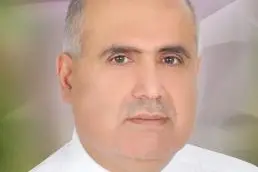
About Dr. Arif Abulla Abdulrahim Al Nooryani
Dr. Arif Al Nooryani is the CEO and Head of Cardiac Cath Lab at Al Qassimi Hospital Sharjah – UAE. He established and structured the Invasive Cardiology Unit where more than 15000 heart patients have undergone Various Invasive Procedures including Diagnostic coronary angiograms, a wide range of percutaneous coronary interventions.
Dr. Al Nooryani has been a member of the Minister Medical Advisory Board on national level since March 2015, and a member of the national committee with the objective of reducing mortality from the cardiovascular disease, in line with the UAE’s National vision 2021.
Between the years 2008 until 2014, Dr. Al Nooryani acted as head of the medical board for the MOH for assessment and evaluation of complex medical cases for the treatment abroad, which involved 8 consultants from different specialties, studying average of 700 cases per year.
He is a member of the Emirates Cardiac Society – Head of the Interventional Cardiology since March 2016; the Emirates Medical Association and the Royal College of Physicians & Surgeons of Glasgow.
[1] Type 2 Diabetes and cardiovascular disease: have all risk factors the same strength? World Journal of Diabetes | https://www.ncbi.nlm.nih.gov/pmc/articles/PMC4127581/
[2] World Health Organization. Diabetes Programme – About diabetes. http://www.who.int/diabetes/action_online/basics/en/index3.html
[3] Aspirin for Primary Prevention of Cardiovascular Events in People with Diabetes https://www.ncbi.nlm.nih.gov/pmc/articles/PMC2875463/
[4] http://www.diabetesatlas.org/resources/2015-atlas.html
[5] Aspirin for Primary Prevention of Cardiovascular Events in People with Diabetes https://www.ncbi.nlm.nih.gov/pmc/articles/PMC2875463/
[6] http://www.diabetesatlas.org/resources/2015-atlas.html
[8] Insulin resistance – associated cardiovascular disease http://ajcn.nutrition.org/content/79/6/1159S.full
© Press Release 2017