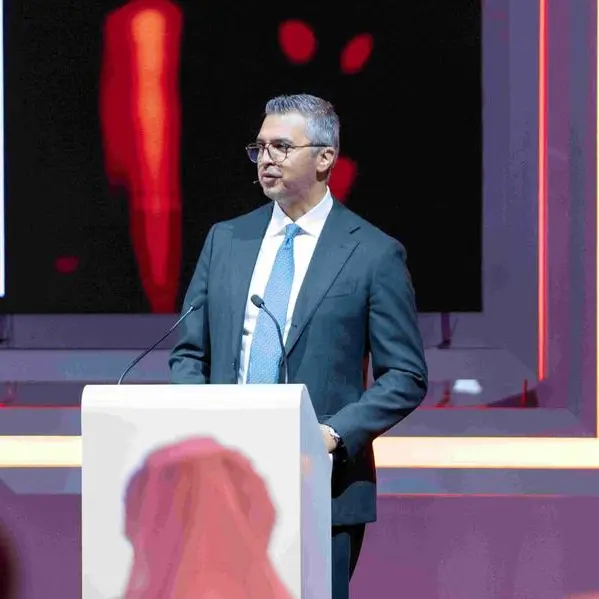
Sharjah, Monday, May 23, 2011-- A program officer from the Biodiversity, Land Law and Governance Unit of the United Nations Environment Program (UNEP) delivered an informative lecture yesterday, at American University Sharjah (AUS). The lecture coincided with the launch of the United Nations Decade on Biodiversity on May 22, 2011.
Addressing the Decade of Biodiversity 2011-2020 and UNEP initiatives regionally and globally, Diane Klaimi spoke of the dire need for conservation on biodiversity. As ecosystems are declining at an unprecedented rate she described how different drives contribute towards this decline. These include habitat change, overexploitation, pollution, invasive species and climate change. All of which, she described as human induced factors of change that act as triggers for dramatic change in ecosystem structure and resilience.
Klaimi explained how 1.6 billion people depend on forests, though 13 million hectares (less than 13 percent) are unprotected. "Our work at the UN is about providing policy advice based on sound science. Each country has to develop a plan based on the global strategy, which has 20 targets. We are working to integrate biodiversity into national plans. We really need to bring the science to the policy makers' desks," she said.
Klaimi is currently the Biodiversity and Ecosystems program officer at the UNEP Regional Office for West Asia based in Manama, Bahrain. She provides technical and policy support on issues related to biodiversity conservation and related Multilateral Environmental Agreements (MEAs) and works closely on implementation of MEAs. She also provides input on issues related to linking biodiversity and climate change, sustainable development and governance issues.
Dr. Mohamed Abouleish, Assistant Professor of Environmental Science at the College of Arts and Science at AUS said the seminar discussed biodiversity in general and its importance in leading to a healthier and sustainable environment. "It also addressed how environmental science is a multidisciplinary field, and that in order to come up with the best solution and to save the environment, we have to consider other fields of study too," he added.
The lecture was organized by the AUS College of Arts and Sciences and the Department of Biology, Chemistry, and Environmental Sciences. Attendees included Dr. Abouleish, members of faculty and a number of students.
-Ends-
© Press Release 2011