PHOTO
RIYADH — Saudi Arabia’s decision to abolish the financial levy on expatriate workers employed in licensed industrial facilities marks a significant policy shift aimed at strengthening the Kingdom’s manufacturing base and accelerating industrial growth.
Approved by the Cabinet and chaired by Crown Prince Mohammed bin Salman, the move removes a cost that factories have carried for years and signals a renewed push to make Saudi industry more competitive, investment-friendly, and resilient.
Lower costs, higher competitiveness
At its core, the decision reduces operational costs for industrial facilities.
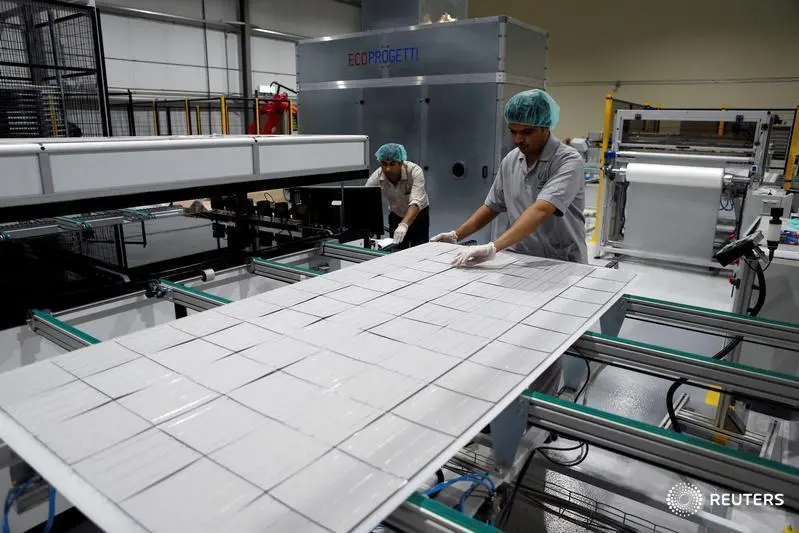
The expat levy was a recurring financial burden, particularly for labor-intensive manufacturers. By scrapping it, factories gain greater flexibility to reinvest savings into expansion, automation, productivity improvements, and workforce development.
Minister of Industry and Mineral Resources Bandar Alkhorayef has described the decision as one of the most challenging in the sector’s history, underscoring that the aim is not revenue collection but long-term growth.
Lower costs make Saudi-made products more competitive in global markets, especially as the Kingdom pushes to expand non-oil exports.
A signal to investors
The move also sends a strong message to local and international investors. Policy stability and cost predictability are key factors in industrial investment decisions.
Removing the levy improves the overall business environment and complements existing incentives across the industrial ecosystem.
Saudi Arabia is targeting more than 800 industrial investment opportunities worth around SR1 trillion, alongside efforts to attract advanced manufacturing and high-value supply chains.
The levy removal strengthens the case for Saudi Arabia as a regional manufacturing hub.
Jobs and localization still central
While the levy applied to expatriate labor, officials stress that the decision does not weaken localization goals. Instead, it is designed to support growth that ultimately creates more and better jobs for Saudis.
Since 2019, the industrial sector has shown strong employment gains. Jobs grew by 74%, reaching 847,000 workers, while localization rates climbed to 31%.
The government’s position is that a growing industrial base is better equipped to absorb and train Saudi talent than a cost-constrained one.
Building on recent industrial momentum
The decision builds on strong sector performance over the past five years.
Between 2019 and the end of 2024, the number of industrial facilities increased from 8,822 to more than 12,000, while total industrial investment rose by 35%to SR1.22 trillion. Industrial GDP expanded by 56%, exceeding SR501 billion.
Looking ahead, Saudi Arabia aims to nearly triple industrial GDP to SR895 billion by 2035, positioning manufacturing as a core driver of economic diversification.
Why this matters now
Scrapping the expat levy comes at a time when global supply chains are being reconfigured and countries are competing to attract manufacturing investment.
By easing cost pressures and reinforcing policy support, Saudi Arabia is signaling that industry remains a strategic priority not just for growth, but for long-term economic resilience.
For manufacturers, the message is clear: the Kingdom is doubling down on industry, and it wants factories to grow, invest, and compete globally.
© Copyright 2022 The Saudi Gazette. All Rights Reserved. Provided by SyndiGate Media Inc. (Syndigate.info).