PHOTO
(The views expressed here are those of the author, the founder and CEO of Emmer Capital Partners Ltd)
HONG KONG - Indian equities, once the darling of global investors, have underperformed other emerging markets this past year, as trade tensions, falling earnings estimates and high valuations dulled the country's shine. However, shifting domestic and geopolitical trends may help attract global investors once again.
The key problem for Indian stocks last year was simple: earnings growth expectations fell even as valuations stayed rich. Earnings forecasts were held back by weak household consumption and muted corporate capital expenditures.
But on the consumption front, the government is working to repair the damage. In the February 2025 budget, the government adjusted personal income tax brackets, effectively reducing the total tax burden by 1 trillion rupees ($11 billion). That was followed up in September with a further 1 trillion rupee cut to the goods and services tax (GST).
The positive impact of these measures is already visible in high-frequency data. Components of the Index of Industrial Production (IIP) show a clear uptick in consumer goods output since the end of last year, indicating rising demand. Autos and household goods are leading the rebound in consumer durables, outpacing staples as extra income flows into discretionary spending. Additionally, government expenditures on long-term assets are now rising as a share of total spending, as policies encouraging advanced manufacturing and artificial intelligence are driving private investment in these areas. This is evidenced by several recent announcements from hyperscalers, including the Adani Group’s pledge to invest $100 billion in AI data centers through 2035.
This, in turn, should lift demand for construction materials, equipment and base metals, giving the real economy a boost.
TRADE DEALS TO THE RESCUE?
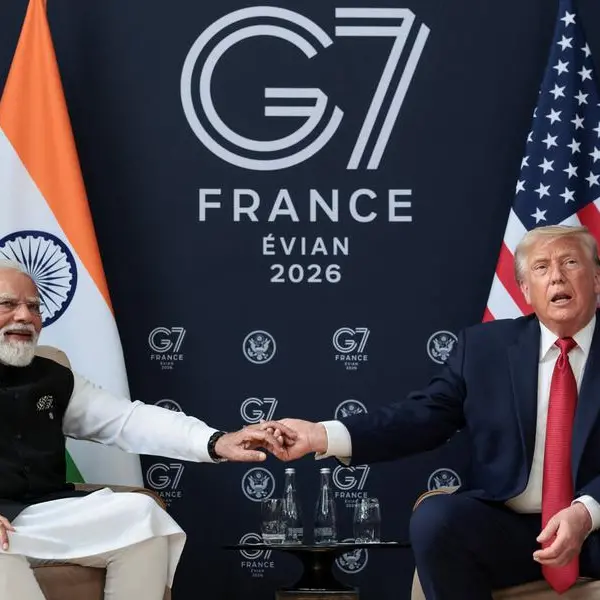
When it comes to capital inflows and currency worries, India's recent trade-deal spree – most notably with the European Union and the U.S. – could help, though the latter is now in question after the U.S. Supreme Court invalidated President Donald Trump’s tariffs under the International Emergency Economic Powers Act (IEEPA).
The rupee depreciated about 5% against the dollar in 2025 as foreign direct investment (FDI) and portfolio flows dried up. FDI totalled just $353 million in fiscal year 2024–25, according to Reserve Bank of India data, as many overseas shareholders pulled money out. Foreign portfolio investors also dumped $19 billion of Indian equities in 2025, according to National Stock Exchange of India figures.
However, if India is able to secure competitive trade terms with more partners, this could spark a revival of FDI, stabilising the rupee and drawing back portfolio investors. This could then create a familiar virtuous circle: a firmer currency attracts more flows, which then support the currency further.
But the trade and tariff picture is now back in flux. This latest twist from the U.S. Supreme Court could improve India's position in ongoing negotiations, as the threat of broad, unilateral IEEPA tariffs has been withdrawn.
However, India's appeal to manufacturers looking to locate facilities outside China could diminish if India's regional competitors eventually end up facing the same U.S. tariff levels.
One positive signal amid the noise is that foreign portfolio flows are already showing nascent signs of recovery.
After selling $19 billion of Indian equities in 2025 and another $4 billion in January, foreigners bought $2.2 billion in the first three weeks of February. Over that period, the rupee rebounded from its all-time low against the dollar. While this move was partly driven by broad dollar weakness, it also suggests that investor sentiment about India could be stabilizing.
FALLING VALUATIONS, MORE INVESTOR INTEREST
Indian equities have historically traded at a premium to other Asian markets, reflecting stronger earnings and better capital efficiency.
While that premium hit an eye-popping 87% in September 2024, according to FactSet, it has since fallen to about 38%, close to the 15-year average. The average price-to-earnings multiple has fallen to 21.7 from a recent high of 25.2, which could draw renewed investor attention.
Investors will likely focus on sectors expected to benefit from government policy, such as consumer discretionary, industrials, construction, chemicals and base metals. Banks and non-bank lenders could also potentially profit from financing the growth effort.
Indian equities are still far from a slam dunk, however. Unlike in North Asia, consensus profit estimates for India have yet to rebound. The cost of capital also remains high. Even though the RBI has cut interest rates by 125 basis points over the past year, the country’s 10-year bond yield has barely moved. Job creation is another challenge. India’s youth unemployment rate is stuck near 10%, according to the government's Periodic Labour Force Survey, and could climb if tech firms implement massive layoffs, as some experts are forecasting. That would obviously weigh on consumption and overall economic growth.
And, of course, trade uncertainty looms. The interim U.S. deal offered India a potential advantage versus its regional peers, but it came with tough conditions, notably a requirement that India import U.S. goods worth some $500 billion. Now, the U.S. Supreme Court decision raises questions about what the resulting terms of the final trade deal will be.
While investors may be taking a second look at Indian equities, this fragile improvement in sentiment is only apt to endure if clarity returns on the trade front and the government’s consumption-boosting measures bear fruit.
(The views expressed here are those of Manishi Raychaudhuri, the founder and CEO of Emmer Capital Partners Ltd and the former head of Asia-Pacific Equity Research at BNP Paribas Securities.) Enjoying this column? Check out Reuters Open Interest (ROI), your essential new source for global financial commentary. Follow ROI on LinkedIn and X. And listen to the Morning Bid daily podcast on Apple, Spotify, or the Reuters app. Subscribe to hear Reuters journalists discuss the biggest news in markets and finance seven days a week. ($1 = 90.8990 Indian rupees)
(Writing by Manishi Raychaudhuri; Editing by Marguerita Choy)