PHOTO
SINGAPORE - Oil prices rose while stocks were mixed on Monday after U.S. President Donald Trump warned of "hell" for Iran unless it reopens the Strait of Hormuz by his self-imposed deadline, but a report of a push for a ceasefire appeared to ease some nerves.
Trump's repeated threats to destroy civilian infrastructure including power plants and bridges if the vital waterway is not open by Tuesday have put traders on edge for reciprocal attacks by Iran on targets in the Gulf states.
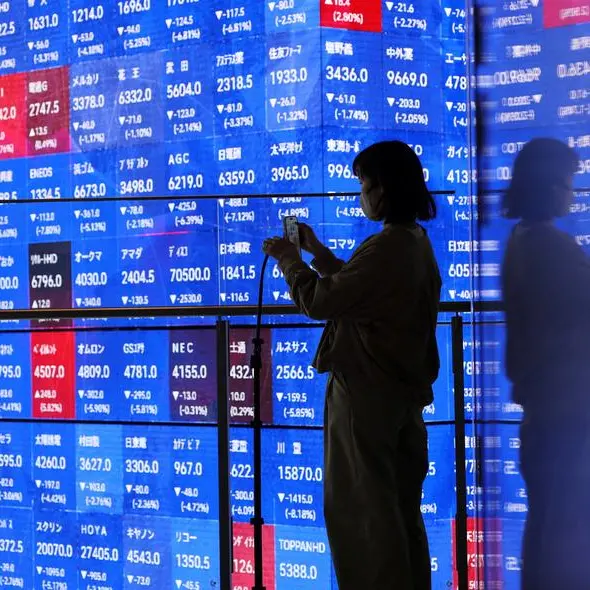
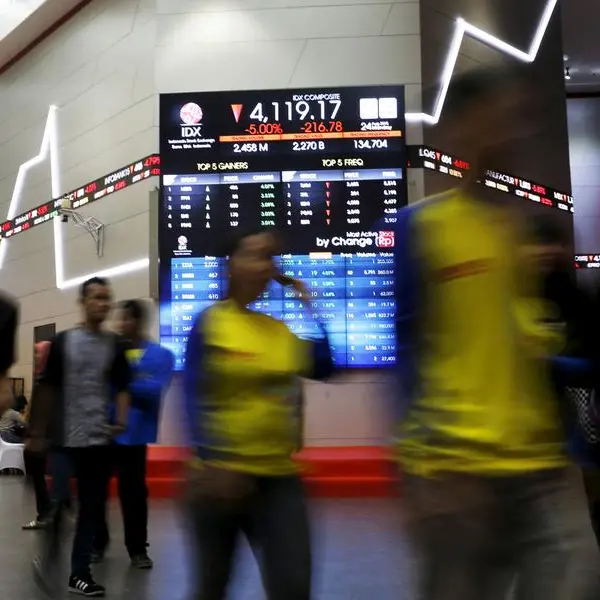
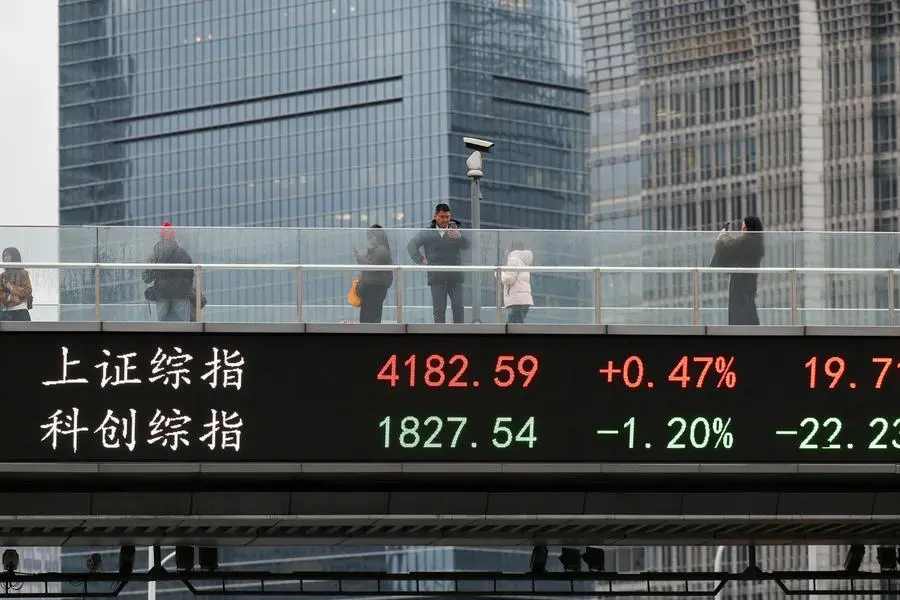
With liquidity thin as many countries around the region observed the Easter Monday and Tomb Sweeping Day holidays, S&P 500 e-mini futures fluctuated between gains and losses, down 0.1%, while MSCI's broadest index of Asia-Pacific shares outside Japan was up 0.4%. The Nikkei 225 rose 0.6%, as South Korea's Kospi advanced 1.4%.
Investors took some confidence after Axios reported that the U.S., Iran and a group of regional mediators are discussing the terms for a potential 45-day ceasefire that could lead to a permanent end to the war, citing four U.S., Israeli and regional sources with knowledge of the talks.
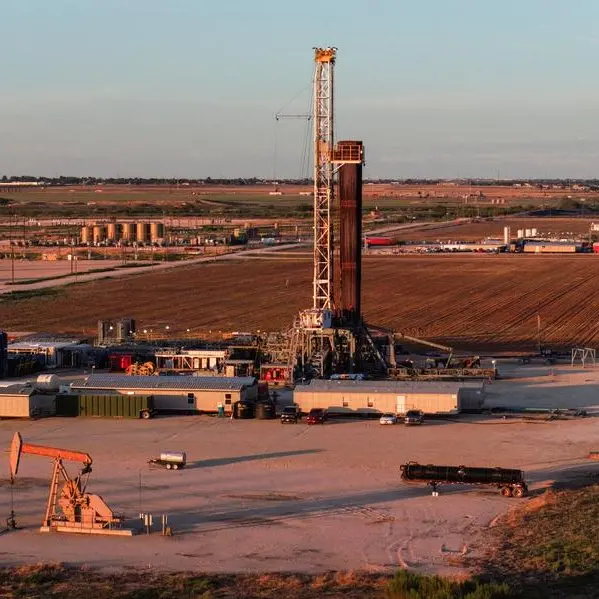
Brent crude futures opened higher before paring gains, rising 1.2% to $110.29 a barrel on the potential supply disruption.
"The markets are obviously nervous," said Sim Moh Siong, currency strategist at OCBC in Singapore. "We've seen many of these deadlines being pushed out, and it's difficult to tell to what extent this deadline is going to stick, or will it be pushed out too," he added.
"There was a lot of de-escalation hope, but some of this hope has fizzed out over the weekend in the ramping up of threats to blow up Iranian power plants and bridges."
Markets looked through an agreement on Sunday by members of the OPEC+ group to raise its output quotas by 206,000 barrels per day for May, as several major oil producers behind the Strait of Hormuz have sustained damage to oil production facilities and transport infrastructure since the war started.
"It is puzzling how well Asian equity markets are trading today, despite the threat of an imminent escalation in the war," said Mark Matthews, head of research for Asia at Bank Julius Baer in Singapore.
"There are two plausible explanations: The first is that the market is convinced, despite all the bad news, that the war will end relatively soon," he said. "The second is that even if the war continues, its negative impact will be outweighed by fiscal stimulus, a bit like what happened during the pandemic."
On Friday, the U.S. jobs report showed employment growth rebounded more than expected in March, with a 178,000 increase in nonfarm payrolls representing the biggest increase in more than a year. The unemployment rate fell to 4.3% from 4.4%, as people dropped out of the workforce.
The data complicates the picture for the Federal Reserve, which will next decide on monetary policy at a two-day meeting ending on April 29. However, swaps pricing indicates the market is expecting no moves at all from the U.S. central bank until September 2027, according to the CME Group's Fedwatch tool.
The U.S. dollar index, which measures the greenback's strength against a basket of six currencies, was down 0.1% at 100.13. The yield on the U.S. 10-year Treasury bond was up 1.2 basis points at 4.3565%.
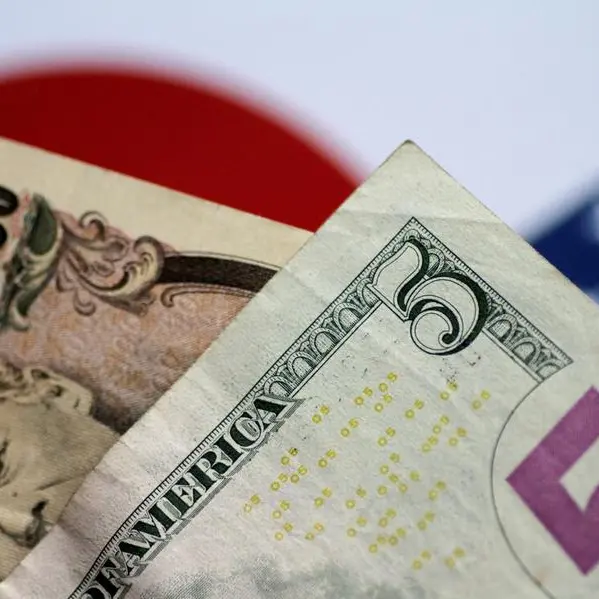
In Tokyo, the yield on the Japanese government bond set a fresh record for the 21st century on concerns about rising inflation. The yield on the notes was up 4.5 basis points at 2.425%, the highest since February 1999. Against the yen, the U.S. dollar was flat at 159.615 yen.
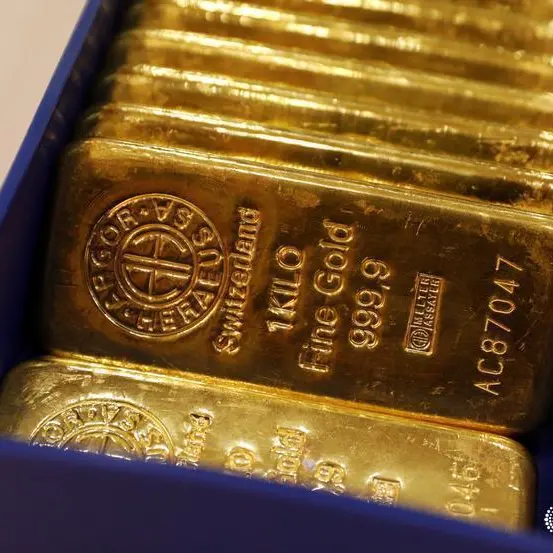
Gold slid 0.5% to $4,653.82. In cryptocurrencies, bitcoin was up 1.9% at $68,886.31, while ether climbed 2.6% to $2,122.32.