PHOTO
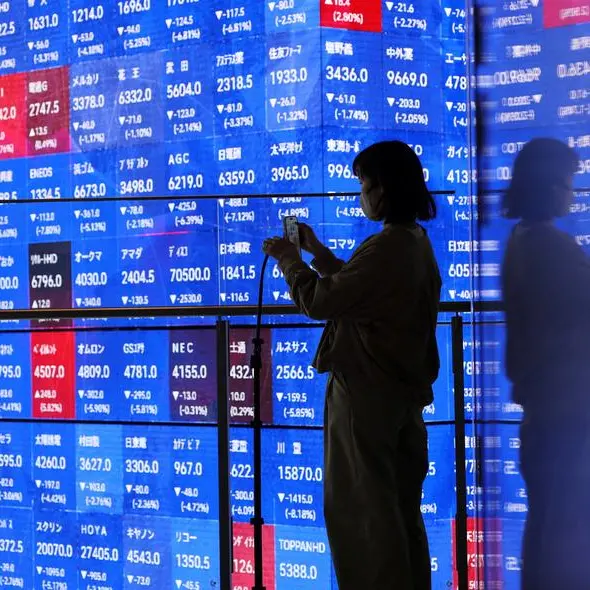
LONDON - World stocks dropped on Thursday as concerns about the exploding costs of the AI boom drove tech worries, Europe geared up for a busy day of central bank meetings and silver suffered another 10% crash in the unruly metals markets.
Europe's main bourses saw a relatively easy start all considered, with the region's tech stocks bouncing 1.8% following a 7% fall over the last two sessions and both the euro and German Bund yields were broadly steady.
Google parent Alphabet had stunned markets on Wednesday with a capex spending plan of as much as $185 billion this year - 55% more than analysts had expected.
The news sent its shares down over 6% at one point, and combined with a 17% plunge in chipmaker AMD's stock, it extended a brutal tech selloff that has already wiped out almost $850 billion of market value this month.
Craig Inches Head of Rates and Cash at Royal London Asset Management said markets are now at a delicate stage, with stock markets stretched, credit spreads tight and geopolitics and governments' debt level also nagging worries.
If equity markets don't start to settle back into their years-long pattern of tech-led gains in the coming months, "will we see the wheels start to come off a bit?" Inches said.
"And what is the reaction of the markets? Do they dive back into the safe havens like sovereign bonds, or has that correlation broken down."
Amazon is due to announce its results later, but Europe's attention was now turning to the 1200 GMT
Bank of England
interest rate decision and then one from the
European Central Bank
at 1315 GMT.
Both are set to hold their rates steady. It left the euro at just under $1.18 but the pound was coming under some sustained pressure at $1.358 and 10-year and 30-year
gilt yields
rose to their highest levels since late November.
More than the looming BoE, it was the rising uncertainty around Prime Minister
Keir Starmer's future
. He has come under renewed fire this week for his appointment of Peter Mandelson as U.S. ambassador despite Mandelson's ties to Jeffrey Epstein.
The potential for a leadership challenge wasn't good for Britain's view among international investors, RLAM's Inches said.
SILVER SLUMPS AGAIN
Precious metals also dived on Thursday to snap two days of gains after an epic implosion last week saw them plunging from lofty record highs.
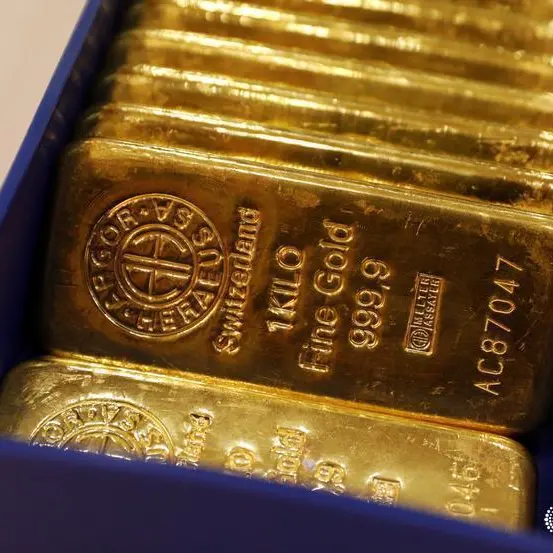
Silver tumbled as much as 14% and was still down 10% in London at $79.2 an ounce. Gold also fell 1.5% to $4,888 an ounce and platinum shed 5%.
Back in the currency markets, the U.S. dollar index was up 0.2% at a two-week high, while the risk-sensitive Australian and Kiwi dollars fell 0.5% and 0.3% respectively.
The brittle Japanese yen was looking steadier at 156.82 per dollar. It has fallen for four straight days ahead of a general election on Sunday where polls are tipping a
decisive victory
for Prime Minister Sanae Takaichi, endorsing her spending ambitions that have raised concerns about the nation's strained finances.
In the Treasuries market, the benchmark 10-year yield slipped 1 basis point at 4.2656%. The U.S. non-farm payrolls report for January has been pushed back from its scheduled release on Friday to February 11 due to a four-day partial government shutdown that has now ended.
Oil prices fell 1.5% to $68.5 a barrel after the U.S. and Iran agreed to hold talks in Oman on Friday, while the plunge in
bitcoin
showed no sign of stopping as it neared the key $70,000 level - its lowest since late 2024.
"We believe this broader decline is mainly driven by massive withdrawals from institutional ETFs. These funds have seen billions of dollars flow out each month since the October 2025 downturn," Deutsche Bank analysts said in a note to clients.