PHOTO
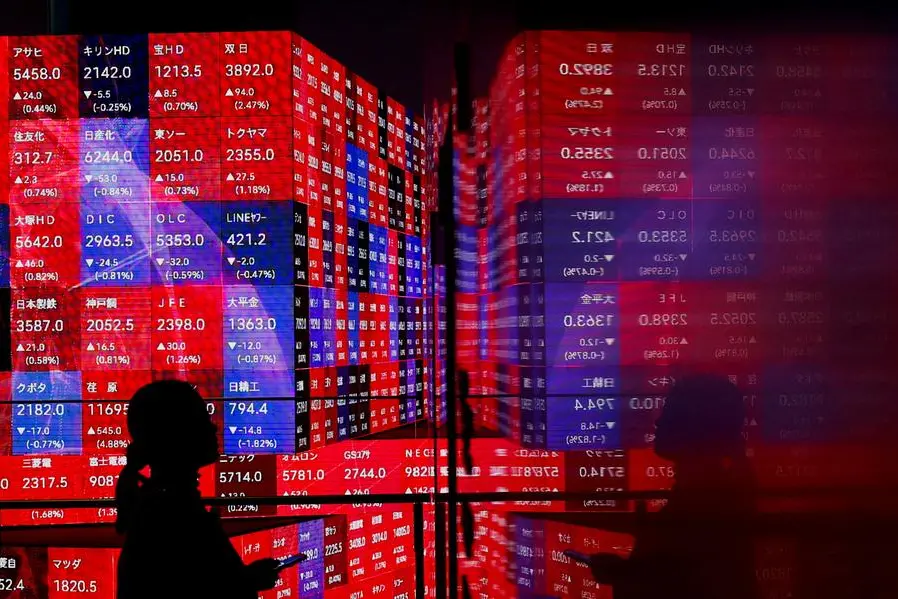
LONDON/SINGAPORE - World stocks were at all-time highs on Thursday as nerves around AI disruption continued to fade, while Japan’s yen regained its footing after its latest flop and gold ticked higher ahead of talks between the U.S. and Iran.
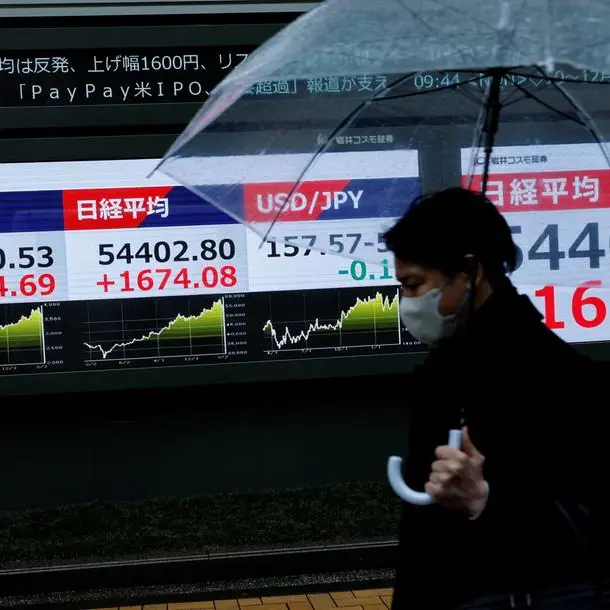
A dive back into tech after Nvidia's results overnight had lifted Japan's Nikkei and South Korea's KOSPI to record highs in Asia, although Europe's restart was more muted after mixed news there.
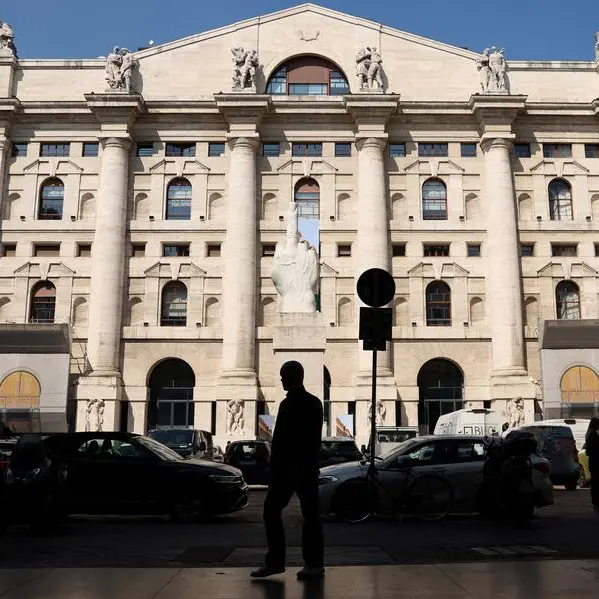
London Stock Exchange Group's beaten-up shares jumped over 5% as it announced a $4.1 billion buyback plan, whereas Belgian chemicals maker Syensqo's tanked almost 22% after it posted disappointing earnings.
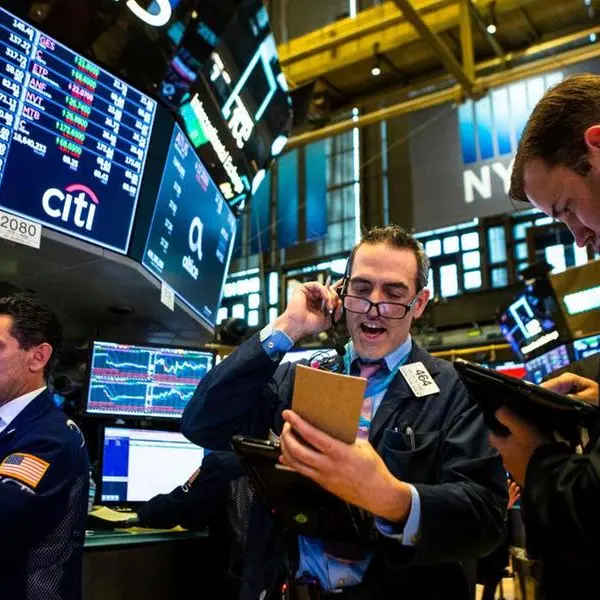
Traders were still digesting Nvidia’s numbers too, after the world's most valuable company had delivered first-quarter revenue guidance of a whopping $78 billion, betting on Big Tech's unabated spending on its AI processors.
An initially positive U.S. market reaction faded by the end of extended hours there after the company’s conference call offered limited detail on the revenue outlook and batted away talk of a cash return.
Deutsche Bank's Jim Reid said the reaction was "perhaps a sign of investors’ increased anxiety over AI valuations," especially given Nvidia had delivered 73% year-over-year revenue growth with 75% gross margins.
Back in Europe, Britain's pound was sinking towards $1.35 in the currency markets as voting kicked off in an election for a vacated parliament seat that will be an
acid test
for the country's struggling Prime Minister Keir Starmer.
Starmer's party won the seat easily in the most recent national elections, but a series of recent blows mean it is now in a dogfight to retain it against right-wing populist Nigel Farage's Reform UK party as well as the left-leaning Greens.
"You don't meet a lot of people who ask should I be buying the pound," Societe Generale's Kit Juckes said.
"But they (Labour) have got such a big majority and we are not going to get a national election," he said, adding the bigger focus was how Britain's economic growth rates fare.
PUSH AND PULL
The yen clawed up 0.3% as it bounced off its recent lows after comments from Bank of Japan Governor
Kazuo Ueda
seemed to keep the prospects of a near-term BOJ rate hike alive.
It came days after a report that Prime Minister Sanae Takaichi had expressed reservations about further rate rises during a meeting with Ueda. The government has also just nominated two pro-stimulus academics for the BOJ board.
"It's kind of a push and pull, and the BOJ is walking a very fine line," said David Chao, Invesco's global market strategist for Asia Pacific.
"However, we still believe that the central bank will hike rates twice this year, and the yen is likely to be one of the best performing currencies," he added.
Japan's Nikkei also finished fractionally higher having set its latest record high in Tokyo.
South Korea's KOSPI jumped over 3%, a move primarily driven by chipmakers Samsung and SK Hynix and one that Deutsche Bank's Reid pointed out took the KOSPI's gain this year to just shy of 50%.
Oil markets see-sawed, meanwhile, as jitters remained about the threat to supply from a potential military conflict between the U.S. and Iran.
The sides will hold the latest round of talks in Geneva on Thursday aimed at resolving their longstanding nuclear dispute and averting new U.S. strikes on Iran following a large-scale military buildup.
Brent crude futures rose as far as $71.20 a barrel in Asia but ducked down to $70.40 in London, with U.S. crude also down roughly 0.5% to $65.09.
Safe-haven gold ticked up 0.5% though to $5,190 an ounce, albeit still below the series of record highs it struck late last month.
"Iran-U.S. persisting tensions and the uncertainty surrounding the global economy with (President Donald) Trump's tariffs are a bullish catalyst," said Carlo Alberto De Casa, external analyst at banking group Swissquote.