PHOTO
Federal Reserve officials, convening in a wartime setting that began less than three weeks ago, are expected to hold interest rates steady on Wednesday even as a fresh jump in oil prices and data showing a rise in some aspects of inflation even before the start of the war with Iran may prompt them to recast the outlook for the U.S. economy, inflation and monetary policy.
New projections to be released by the U.S. central bank at 2 p.m. EDT (1800 GMT) will show how policymakers assess the economic impact of President Donald Trump's decision to launch an open-ended conflict in the Middle East, but the environment remained volatile even as they began the second day of their latest two-day policy meeting.
Benchmark oil prices jumped from $104 to $108 a barrel following reports of an Israeli strike on an Iranian gas processing facility, a development that led to pleas for restraint from nearby Qatar, a key voice in the region. With no clear stopping point to the U.S.-Israeli bombing campaign, economists say the domestic and global impacts hinge on how long the war continues, on the structure of whatever Iranian government emerges at the end of it, and whether oil prices rise even further or recede soon to their pre-war levels below $80.
New data, meanwhile, showed the Fed's inflation problem was bigger than just the outbreak of war, with U.S. producer prices rising in February by 3.4% on a year-over-year basis, the fastest pace in a year. Rising producer prices can feed into retail costs and signal higher future inflation.
The average price of gasoline in the U.S. was $3.84 per gallon on Wednesday morning, up from $3.79 on Tuesday, according to data from motorist advocacy group AAA. That level represents a roughly 28% increase from before the start of the war. A variety of other prices could rise in turn: Airlines have begun warning of rising travel costs as the price of jet fuel surges, and a White House official said the U.S. was seeking other sources of agricultural fertilizers.
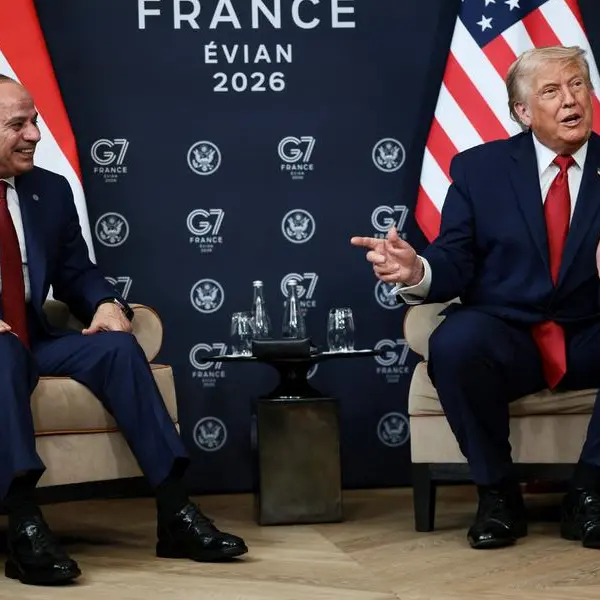
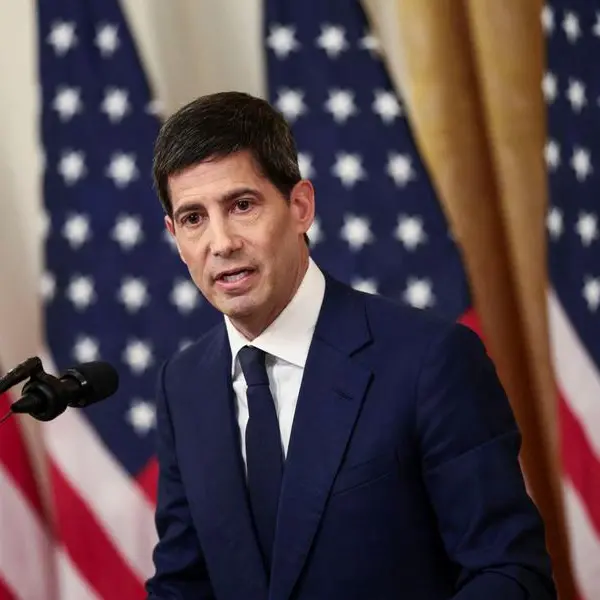
'CLOUD OF UNCERTAINTY' Investors have responded by scaling back expectations for Fed rate cuts, with no reductions now anticipated until December even with the anticipated arrival of Trump's recently nominated Fed chief, Kevin Warsh, to lead the central bank. Trump in a post on the Truth Social site on Wednesday again referred to Fed Chair Jerome Powell by the president's preferred "Too Late" nickname and asked when he would cut rates.
With that date slipping further back, the outlook has turned from confidence in steady economic growth and slowing inflation this year into a tug of war between potentially rising price pressures and new risks to growth and the job market. U.S. central bank policymakers will provide their best-informed bets on what's ahead through their rate decision, the policy statement and updated quarterly projections issued following the end of their meeting on Wednesday. Powell is scheduled to hold a press conference starting at 2:30 p.m. EDT.
Diane Swonk, chief economist at KPMG, said in an analysis last week that the moment seems primed for the Fed's updated projections to move in a stagflationary direction. She said she expects higher inflation and unemployment to be penciled in for the end of this year, and the interest rate outlook to be further splintered between central bank officials who advocate rate cuts to keep the job market on track, and those who are in favor of keeping tight policy in place - or even hinting at rate hikes with a higher year-end rate outlook.
"The forecasts are being made amidst a cloud of uncertainty. I would expect participants at the meeting to mark down their assessments of growth, while they mark up their estimates of inflation and unemployment," Swonk said. "The 'dot plot,' which includes participants' expectations for rate hikes or cuts is likely to show a little of both," with likely dissents in favor of rate cuts from those who feel the Fed should not stay on the sidelines by keeping borrowing costs steady amid weak and perhaps falling job growth, and the more hawkish policymakers' projections embracing a rate hike before the end of the year.
STAGFLATION FEARS RETURN The Iran war marks the second potentially stagflationary shock Trump has delivered to the Fed's outlook, with central bankers a year ago also viewing the new administration's tariff proposals as a blow to both growth and prices. While the initial impact of the import duties was not as severe as expected, businesses said they were still in the process of passing higher costs along, a fact that already had officials at the Fed's January 27-28 meeting discussing the possible need for rate hikes instead of cuts. The new policy statement will be closely read for suggestions that Fed policy is now "two-sided," with the next change in rates potentially a rate increase.
Data since the Fed's last meeting, even before it was overtaken by the outbreak of war, was already moving in a difficult direction for the central bank. Inflation showed little progress in returning towards the Fed's 2% target, and economists now expect it to remain above that level by a percentage point or more in the coming months - high enough, and persistent enough, that some policymakers will worry that rate cuts would send the wrong signal about their commitment to tame rising prices. The U.S. employment report for February, meanwhile, showed the economy lost 92,000 jobs.
Investors and analysts for now have scaled back their expectations for steady Fed rate cuts this year, even with Trump continuing to call for lower borrowing costs and Warsh expected to be in place as central bank chief by the June 16-17 meeting.
In addition to the one quarter-percentage-point Fed rate cut anticipated in December, futures markets now expect only one cut next year, a pace and level out of step with what Trump has advocated.
(Reporting by Howard Schneider; editing by Dan Burns and Paul Simao)