PHOTO
PARIS - World food prices declined for a fourth consecutive month in December, mostly pressured by dairy, meat and vegetable oil prices, marking the lowest average since January 2025, the United Nations' Food and Agriculture Organization said on Friday.
The FAO Food Price Index, which tracks a basket of globally traded food commodities, averaged 124.3 points in December, down from 125.1 in November and 2.3% lower than a year earlier.
For the full 2025 year, the index averaged 127.2 points, up 4.3% from 2024, as higher world prices for vegetable oils and dairy products outweighed declines in cereal and sugar quotations.
The dairy index declined by 4.4% in December, driven by a steep drop in butter prices following increased cream availability in Europe. However, for 2025 as a whole, dairy prices averaged 13.2% above 2024, reflecting strong import demand and limited exportable supplies earlier in the year.
Meat prices dipped 1.3% last month, led by falls in bovine and poultry categories, but the full-year index remained 5.1% above the previous year's value, supported by strong global demand and uncertainty linked to animal diseases and geopolitical tensions, the FAO said.
Vegetable oil prices eased 0.2% in December to a six-month low, as weaker soy, rapeseed and sunflower oil quotations offset gains in palm oil. For the whole of 2025, the vegetable oil index averaged 17.1% higher than in 2024, reaching a three-year high amid tight global supplies.
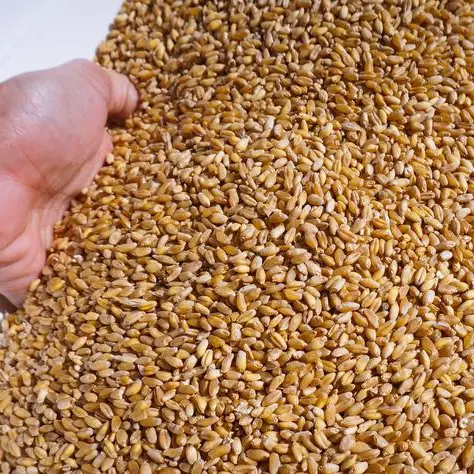
The FAO Cereal Price Index rose 1.7% in December with wheat supported by renewed concerns over Black Sea export flows, and maize buoyed by strong ethanol production in both Brazil and the United States.
For the whole of 2025, the cereal index averaged 4.9% below its 2024 level, its third consecutive annual decline and the lowest annual average since 2020.
Sugar prices rose 2.4% in December after three consecutive monthly declines, mainly due to lower production in Brazil's southern regions.
The sugar index reached a five-year low for 2025, down 17% from 2024, as global supplies remained plentiful.
(Reporting by Sybille de La Hamaide; Editing by Toby Chopra, Kirsten Donovan)