PHOTO
The safe-haven Swiss franc and the euro rallied against the dollar after the Trump administration threatened Federal Reserve Chair Jerome Powell with a criminal indictment, a move that could endanger the greenback's safe-haven status.
Powell said the Department of Justice had served the Fed with grand jury subpoenas, threatening a criminal indictment related to his testimony before the Senate Banking Committee last June.
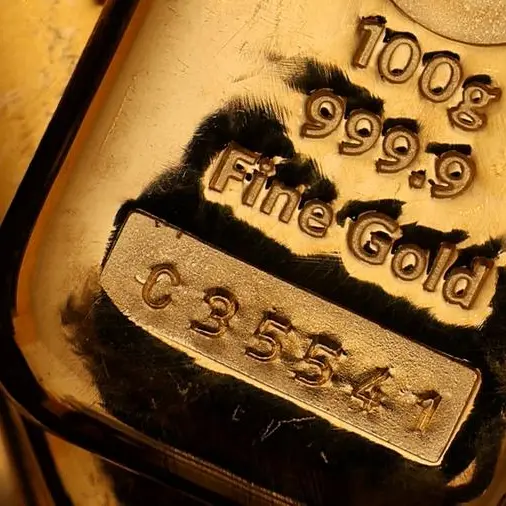
The dollar index, which measures the greenback's strength against a basket of six currencies, was 0.31% lower at 98.82, snapping a five-day winning streak. Gold jumped to a record $4,600.33 per ounce after Powell released a video where he defended the central bank's independence.
HIGHER RISK PREMIUM ON THE US CURRENCY
"The point is that the central bank's response function is likely to change fundamentally and in the long term if the White House succeeds" in gaining control of monetary policy, said Thu Lan Nguyen, head of forex and commodity research at Commerzbank, after flagging that the Fed is already in a rate-cutting cycle and this scenario becomes relevant only if inflation risks rise.
“However, as the foreign exchange market is forward-looking, this already justifies a higher U.S. dollar risk premium today,” she added.
The Swiss franc was the best performer on Monday, rising 0.42% to 0.7976 against the dollar, while the euro continued to benefit as U.S. politics triggered a selloff in American assets.
The single currency rose 0.38% to 1.1680 in its biggest daily rise since December 22.
Some analysts said markets had not yet panicked because they expect U.S. President Donald Trump to appoint a credible successor to Powell and let that person steer policy.
BUT FED POLICY PATH STILL BASED ON DATA
The selloff in U.S. Treasuries hit the ultra-long maturities, with the 30-year yield up 4.5 bps at 4.86% and the 10-year up 3 bps at 4.30%. Yields on 2-year bonds, more sensitive to expectations for Fed policy rates, were slightly higher.
"Markets aren’t ready to price in a loss of Fed independence just yet, either on the view that Powell will indeed remain firm in his policy views," said Francesco Pesole, forex strategist at ING. Goldman Sachs’ chief economist Jan Hatzius said on Monday that a criminal indictment threat would reinforce central bank independence worries, but he expected the Fed to continue to make decisions based on data.
"If anything, this challenge to the Fed’s independence could prompt the FOMC to take a slightly more hawkish stance to defend the institution," said Rogier Quaedvlieg, senior U.S. economist at Abn Amro.
"The latest labour market report can reasonably support holding rates steady for now," he added.
YEN LITTLE CHANGED AS POLITICAL CONCERNS WEIGH The dollar advanced in early Asian trade to a one-month high after Friday's jobs report bolstered expectations that the Fed will hold interest rates steady later this month, while reports of hundreds of deaths during protests in Iran heightened geopolitical concerns.
Against the yen, the U.S. dollar was roughly unchanged at 157.92 yen, not far from its highest point in a year. On Sunday, the coalition partner of Japanese Prime Minister Sanae Takaichi's party said she might hold a snap election in February in a bid to capitalise on her strong public approval ratings since taking office in October. Takaichi's policies, which favour big spending and a dovish Bank of Japan stance, have already weighed on the Japanese currency. Geopolitical tensions were still in focus after Trump said the U.S. might meet Iranian officials and was in contact with the opposition, as he weighed a range of responses to the protests in Iran including military options. Meanwhile investors are bracing for a busy data calendar this week, with Tuesday's release of the U.S. consumer price index for December to provide clues on the Fed's policy path. A ruling from the U.S. Supreme Court on the legality of Trump's emergency tariffs could also be released as soon as Wednesday. The U.S. Treasury has more than adequate funds to pay any tariff refunds ordered if the Supreme Court rules, U.S. Treasury Secretary Scott Bessent said on Friday.