PHOTO
LONDON - The dollar steadied on Friday but was still set for its third straight weekly drop, hurt by the prospect of rate cuts next year, while sterling was also unchanged after data showed the UK economy unexpectedly shrank in the three months to October.
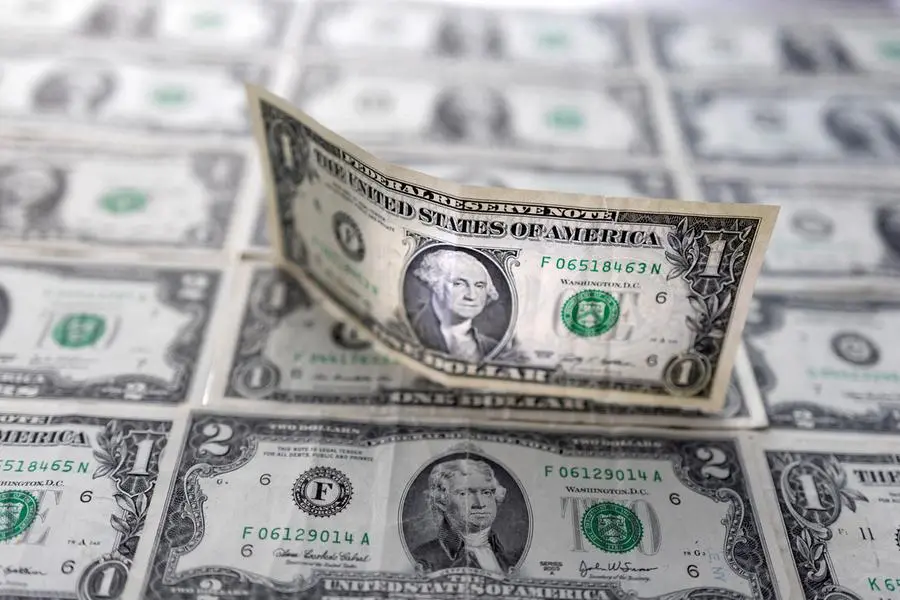
The dollar index, which measures the U.S. currency against six peers, was flat at 98.34, set for a weekly drop of 0.64%. The index is down more than 9% this year, on pace for its steepest annual drop since 2017.
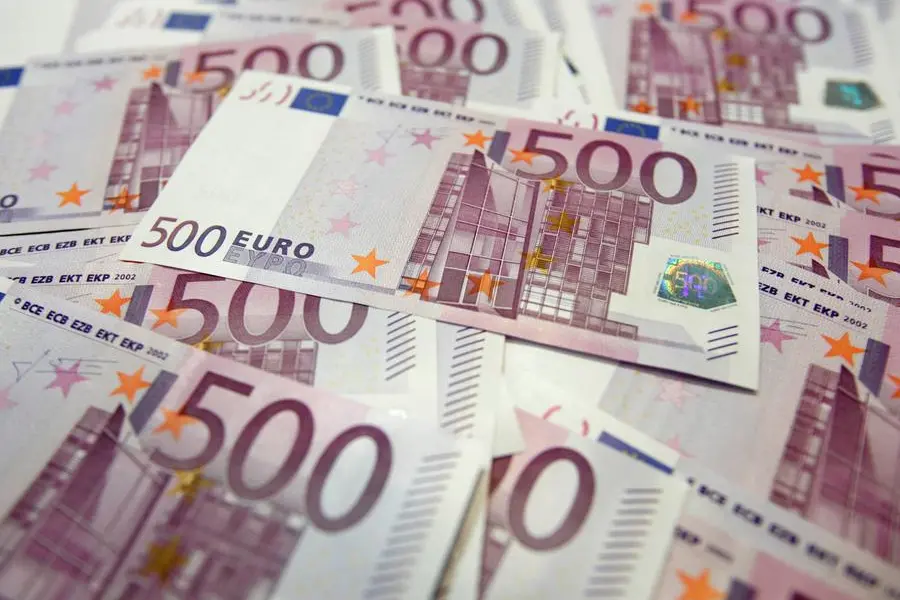
Against the weak dollar, the euro last bought $1.1737 after a 0.37% rise to a more than two-month high on Thursday. The pound was firmer at $1.3383, trading near a seven-week high hit on Thursday, after economic data that was likely to boost expectations for Bank of England interest rate cuts.
Both European currencies are poised for their third-straight week of gains against the dollar.
UNCERTAINTY OVER U.S. MONETARY POLICY NEXT YEAR
The Fed cut rates as expected this week but the comments from Fed Chair Jerome Powell and the accompanying statement were viewed by investors as less hawkish than expected and reinforced dollar-selling momentum.
"The U.S. dollar stabilises after post-Fed selling, pressured by lower rate expectations and seasonality," said Frantisek Taborsky, FX strategist at ING.
Investors face uncertainty over the path of U.S. monetary policy next year as inflation trends and labour market strength remain unclear, with traders pricing in two rate cuts in 2026 in contrast with policymakers who see only one cut next year and one in 2027.
How monetary policy evolves from here will hinge on economic data that is still lagging from the impact of the 43-day federal government shutdown in October and November. This comes as the U.S. heads into a midterm-election year that is likely to focus on economic performance, with President Donald Trump urging sharper rate reductions.
Also in the spotlight for markets is the question of who will become the next Fed chair and how that will affect the growing worries about the central bank's independence under Trump.
UK ECONOMY STUMBLES
Sterling fell slightly on the back of the data showing gross domestic product contracted by 0.1% in the August-to-October period. Economists polled by Reuters had forecast a flat reading.
"At this stage it is not totally clear whether the recent weakness of the economy marks a fundamental downturn or whether it reflects a pre-Budget dip in spending and whether any such moves are temporary," said Philip Shaw, chief economist at Investec.
Finance minister Rachel Reeves delivered a tax-raising budget on November 26.
The latest data cemented bets that the BoE will cut rates next week, though a cut has been nearly fully priced in for weeks.
The Japanese yen was 0.2% weaker at 155.87 per dollar ahead of next week's Bank of Japan meeting where the broad expectation is of a rate hike. Market focus is on comments from the policymakers on how the Japanese rate path will look in 2026.
Reuters reported that the BoJ would likely maintain a pledge next week to keep raising interest rates, but stress the pace of further hikes will depend on how the economy reacts to each increase.
The Swiss franc steadied at 0.7951 per U.S. dollar, after rising to an almost one-month high on Thursday. The Swiss National Bank left its policy rate unchanged at 0% on Thursday and said a recent agreement to reduce U.S. tariffs on Swiss goods had improved the economic outlook, even as inflation has somewhat undershot expectations.