PHOTO
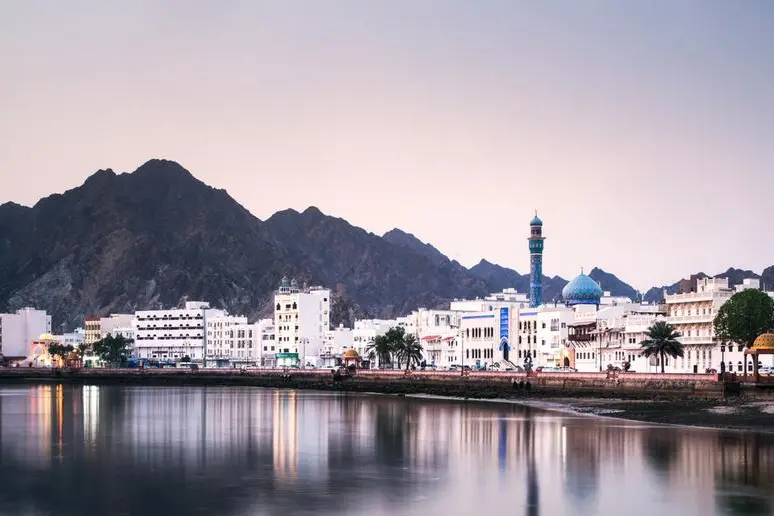
MUSCAT - In a landmark bid to create value from the massive volumes of produced water generated by its daily oilfield operations, Petroleum Development Oman (PDO) — the Sultanate of Oman’s largest producer of oil and gas — has invited interested companies to register their interest in utilising suitably treated water for agricultural, industrial and other commercial purposes.
Majority state-owned PDO currently generates around 948,600 m³/day of produced water — highly saline, oil-contaminated water that comes to the surface along with crude oil — volumes enough to fill an estimated 380 Olympic-sized swimming pools each day. This figure is projected to rise to 1.4 million m³/day (equivalent to about 560 Olympic-sized pools) by 2030.
To sustainably manage these vast volumes and harness their in-country value potential, PDO is preparing to invite local and international firms to submit techno-commercial proposals for the utilisation of treated volumes from two major treatment plants at Nimr and Rima within its concession. As a first step, however, interested parties must prequalify to participate in the competitive process; the deadline for submissions is December 21, 2025.
The Nimr Wetlands (Nimr Water Treatment Plant), launched in 2010, ranks among the world’s largest constructed wetlands for treating produced water. Its current capacity stands at around 175,000 m³/day. The Rima Water Treatment Plant, meanwhile, can treat up to 65,000 m³/day.
At both plants, produced water is cleaned through a sequence of natural and engineered steps: the oil is first separated, after which the water flows through extensive wetland reed beds where plants and microbes break down remaining impurities. The partially treated water then moves to evaporation ponds, which further concentrate and reduce the volume. In some streams, an additional polishing stage improves water quality. Overall, the system is highly effective, removing the vast majority of oil and producing treated water suitable for a range of beneficial uses.
PDO has recently intensified efforts to explore market solutions to increase the beneficial reuse of this treated water in areas such as agriculture, wetland development, biodiversity enhancement; and other industrial, commercial and mineral-extraction activities.
At Nimr, part of the treated water has been used for irrigating plants such as cotton, Ricinus (castor) and jojoba to produce valuable downstream products or biological oils for further processing. Local tree species such as eucalyptus are also flourishing, raising hopes that farming operations at Nimr can be significantly scaled up in the near future.
In addition, initiatives aimed at creating value through the extraction of salts and minerals have been pursued. Notable examples include the Fahud Salt Making Project, the Qarn Alam Steam Hypersaline Project and the use of surface water for plantation schemes.
A number of Omani start-ups, along with international players, are also exploring opportunities to produce biofuel and even Sustainable Aviation Fuel (SAF) through the cultivation of select crops using treated produced water.
Another promising application is supporting Oman’s 10-million-tree initiative and enabling additional carbon-credit projects, particularly in desert zones where the availability of irrigation water is the main constraint. This aligns not only with PDO’s sustainability strategy but also with the Environment Authority’s greening objectives and Oman’s broader net-zero trajectory.
2025 © All right reserved for Oman Establishment for Press, Publication and Advertising (OEPPA) Provided by SyndiGate Media Inc. (Syndigate.info).