PHOTO
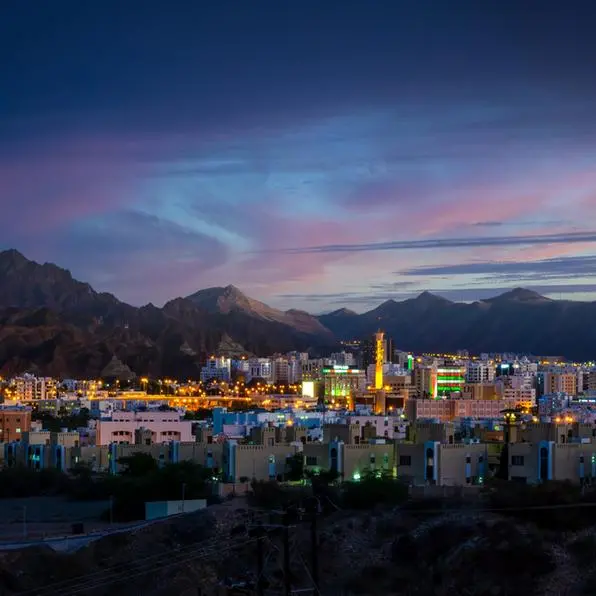
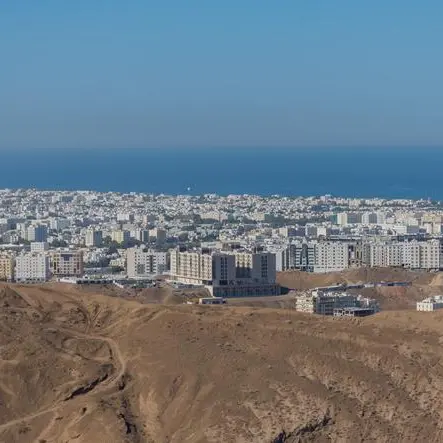
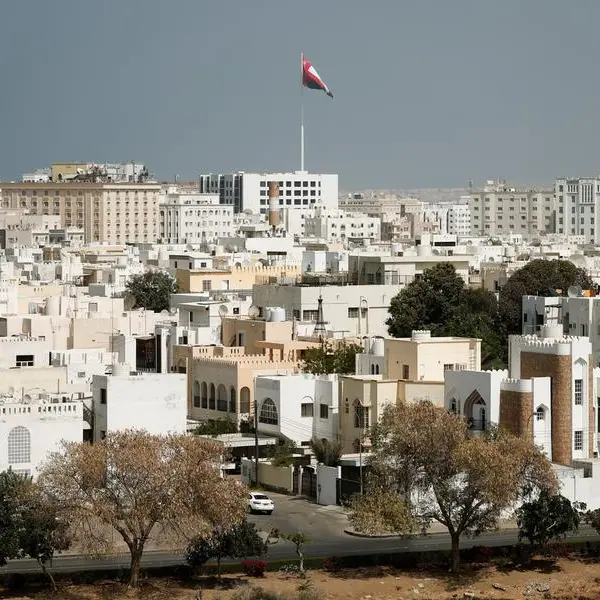
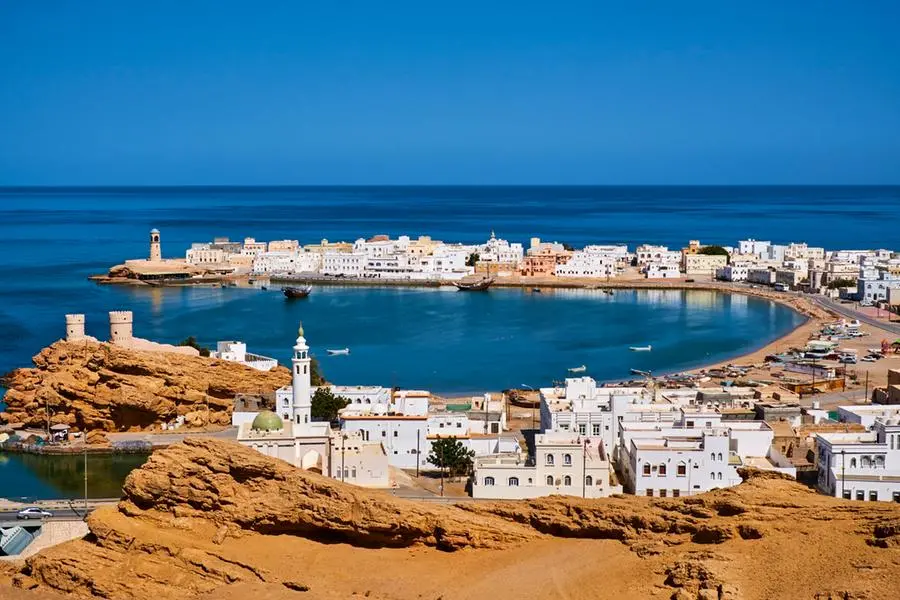
Dhofar combines natural assets and modern infrastructure in a way few places do.
Last week’s visit by ambassadors of the Association of Southeast Asian Nations (ASEAN) to Dhofar Governorate was more than a photo-op. Hosted by His Highness Sayyid Marwan bin Turki al Said, Governor of Dhofar, the engagement signalled a practical opening: pairing Dhofar’s strengths with ASEAN capital, know-how and appetite for new markets.
Why does this matter? Because ASEAN is not just another bloc. Its ten member states represent a combined market of hundreds of millions and a multi-trillion-dollar economy. The region attracts substantial foreign direct investment each year and its companies — large and mid-cap—are constantly scanning for stable, well-located platforms that connect Asia with Africa and the Gulf. Dhofar fits that brief.
Start with the basics. Dhofar combines natural assets and modern infrastructure in a way few places do. The Khareef Dhofar Season (monsoon season) draws visitors in the tens of thousands. The governorate sits on the Arabian Sea and the Indian Ocean, with blue-water access to East Africa and South Asia. It is plugged into national reforms under Oman Vision 2040: tax incentives, simplified company setup and a growing network of special economic and logistics zones. These are not abstract selling points; they are the nuts and bolts investors look for when deciding where to commit long-term capital.
Tourism is the obvious first mover.
ASEAN hospitality brands know how to build destinations that are both high-quality and commercially sound. Names such as Banyan Tree, Dusit and Centara are examples — not endorsements — of the calibre that could develop eco-resorts, family-friendly properties and wellness retreats aligned with Dhofar’s landscape and culture. Real-estate investment groups from the region, like Singapore’s CapitaLand, could add integrated projects that bring together hotels, retail and residential components to extend the season and diversify revenue.
Air connectivity is the force multiplier. Direct services from major ASEAN carriers — think Singapore Airlines, AirAsia or Garuda Indonesia — would do more than carry holidaymakers. They would knit together business travel, cargo flows and medical-tourism routes. Even seasonal or codeshare links can shift the equation by cutting journey times and signalling market confidence.
Dhofar combines natural assets and modern infrastructure in a way few places do.
Healthcare is another near-term play. Thailand, Malaysia and Singapore have built global reputations in specialised care. Partnerships with institutions such as Bangkok Dusit Medical Services, IHH Healthcare or Siloam Hospitals could help establish centres of excellence in Dhofar — orthopaedics, cardiology, rehabilitation or wellness — serving patients from the wider region. The result is twofold: better local services and higher-value jobs for Omani clinicians and graduates.
Logistics and industry complete the picture. Site visits to Salalah Free Zone, the Port of Salalah and industrial estates managed by Madayn show a platform that already moves scale volumes and can host export-oriented manufacturing. The proposed Salalah Future City concept — properly defined and phased — could anchor mixed-use districts and advanced services that complement port and airport growth.
Policy tools exist to make this real. Oman’s Golden Residency options for investors and entrepreneurs offer long-term visibility. Streamlined licensing and clear land-use pathways reduce friction. What matters now is packaging these elements into investor-ready propositions with timelines, approvals and aftercare spelled out.
A practical next step would be to convene an ASEAN–Salalah Investment Forum. Keep it focused: two days of sector-specific panels (tourism, healthcare, logistics, food processing), one day of curated site tours and pre-scheduled B2B meetings with project sponsors. Publish a concise investment prospectus in advance, with unit economics, incentive schedules and contact points. The goal is simple — convert interest into term sheets.
The strategic upside is larger than any single project. For ASEAN investors, Dhofar offers a stable base to reach Gulf and African demand. For Oman, it accelerates economic diversification, builds export capacity and creates pathways for youth employment in high-value services. Diplomacy has opened the door; execution will determine whether this becomes a pipeline of bankable deals.
The message from Dhofar is straightforward: the welcome mat is out, the infrastructure is in place and the policy framework is aligned with long-term partners. It is now about matching credible ASEAN operators and financiers with projects that respect local identity, protect the environment and deliver sustainable returns. If both sides move with discipline, last week’s courtesy call could mark the start of a genuinely transformative chapter.
2025 © All right reserved for Oman Establishment for Press, Publication and Advertising (OEPPA) Provided by SyndiGate Media Inc. (Syndigate.info).