PHOTO
Middle East CEOs remain among the most confident globally, with 88% expecting economic growth to strengthen in their own territories, and this is even higher at 93% across the GCC, compared with just 55% of CEOs globally, according to a PwC report.
PwC’s 29th Global CEO Survey – Middle East findings are based on insights from more than 300 CEOs across the Middle East region.
Despite geopolitical uncertainties and trade tensions, CEOs in the Middle East continue to deploy capital, scale artificial intelligence and expand selectively into new sectors, supported by a strong investment momentum and long-term national transformation agendas.
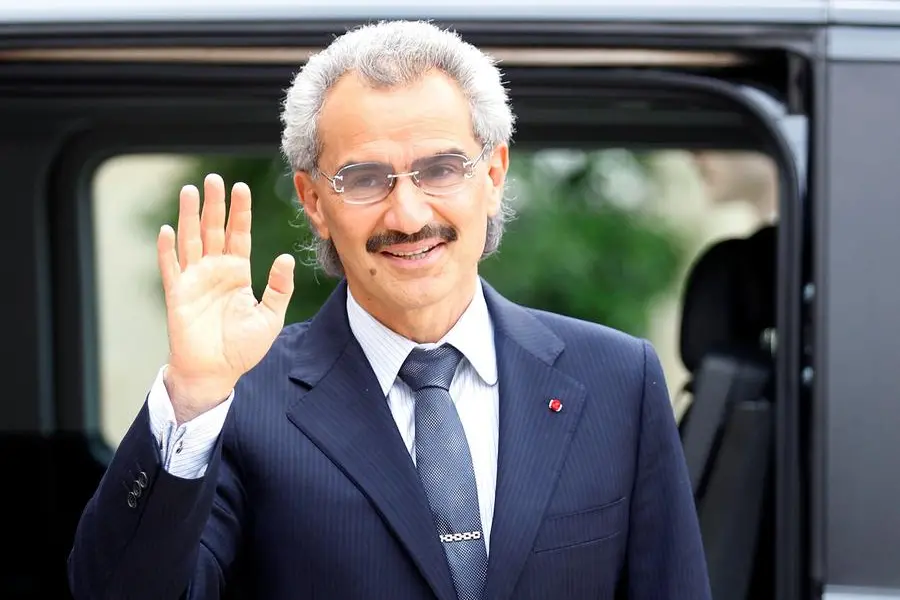
Hani Ashkar, Territory Senior Partner, PwC Middle East, said: "These findings reflect the strong underlying confidence we are seeing across the Middle East. CEOs in the region are resilient and are ready to deploy capital for long-term growth. It is particularly encouraging to see the region rank highly in CEOs’ global investment plans. Supported by national transformation agendas and sustained investment in artificial intelligence, the Middle East is well positioned to compete, adapt and grow.”
Capital strengthens across the Middle East
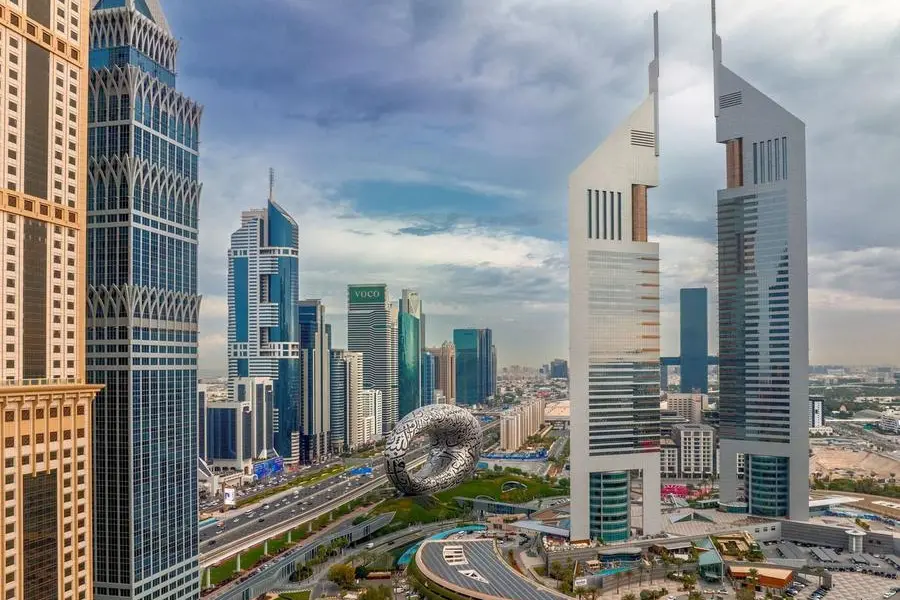
The GCC continues to consolidate its position as a global investment hub. The survey ranks Saudi Arabia and the UAE among the top 10 global investment destinations, reinforcing their role as anchor markets for international and intra-regional capital.
Middle East businesses are also the most active globally when it comes to investing beyond their home markets, with 88% of CEOs planning to invest outside their domestic territories. Almost three quarters of these investments will stay within the Middle East, signalling deeper regional integration and growing confidence in local value creation.
AI adoption accelerates at scale
CEOs in the Middle East, and even more so in the GCC, report significantly higher application of AI than the global average. More than a third of Middle East and GCC leaders report integrating AI directly into their offerings, compared with fewer than one in five globally. Adoption is strongest in demand generation functions such as sales, marketing, and customer service, where 39% of Middle East CEOs and 43% of GCC CEOs report extensive AI use. Uptake is also strong across support services, with nearly 40% of Middle East CEOs deploying AI - well above global averages.
80% of business leaders in the Middle East have also revealed that their culture enables AI adoption, while 70% have a clearly defined AI roadmap, well ahead of global benchmarks. As adoption accelerates, CEOs increasingly recognise the need to strengthen data readiness and governance before attempting to scale AI across the value chain.
Dealmaking shifts toward capability-led growth
M&A demand remains strong, with 72% of Middle East CEOs planning a major acquisition over the next three years. Deal activity reflects a growing emphasis on capability-building, as CEOs look to strengthen skills, talent and data to support long-term growth.
In parallel, sector expansion is gathering pace, with 60% of regional CEOs already competing in new sectors. Nearly half plan to expand into technology-led industries, almost 40% in consumer markets and almost a third into industrials and services.
Near-term caution, long-term dynamism
Geopolitical conflict remains the region’s most significant concern, directly shaping boardroom decision-making. Understandably, near-term caution is weighing on CEO sentiment across the Middle East. But despite heightened geopolitical, cyber and climate risks, CEOs are choosing to invest through uncertainty rather than wait for stability, with 60% saying they can lead effectively through disruption and 42% indicating can create new business opportunities that arise from such disruptions.
As a strategic response to geopolitical risk, nearly 30% of Middle East CEOs and 32% of GCC CEOs expect to reconfigure supply chains. Nearly one in five indicated they would restructure tax obligations to manage geopolitical exposure, while 17% prepared to exit markets that become too risky. This resilience is translating into performance. In the current fiscal year, companies in the region reported 12% average revenue growth, compared with 8% globally, alongside stronger profit margins.
Mona Abou Hana, Chief Corporate and Network Officer, PwC Middle East, said: “Middle East CEOs are not deterred by global risk, they are planning through it. What stands out is the discipline behind their confidence. Leaders across the region are investing with intention in AI, cybersecurity and new capabilities because they understand that resilience today is built through action. In a more uncertain global environment, the Middle East is emerging as a magnet for capital and long-term growth.”
Setting the direction forward
The findings point to a more deliberate growth agenda. Middle East CEOs are adopting a long-term perspective, balancing risk with opportunity, accelerating the integration of artificial intelligence into core business models, and deploying capital and M&A strategically to build future-ready capabilities. This approach reflects a leadership mindset focused on strengthening resilience, competitiveness, and sustainable value creation over the decade ahead, the report said.
Copyright 2026 Al Hilal Publishing and Marketing Group Provided by SyndiGate Media Inc. (Syndigate.info).