PHOTO
Credit ratings agency S&P upgraded Nigeria's long-term sovereign rating to "B" from "B-" on Friday, citing improving credit worthiness.
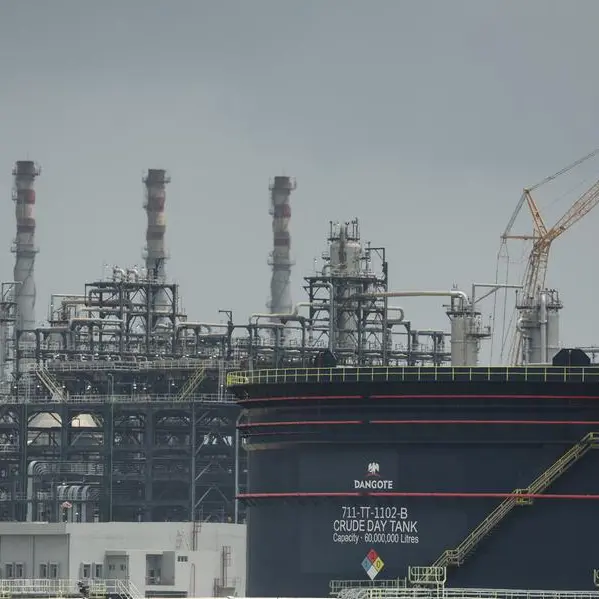
Higher oil production and prices, a large increase in domestic refining capacity, and the 2023 decision to liberalize the exchange rate are boosting Nigeria's economic growth and balance of payments outcomes, the agency said, as it also revised the country's outlook to "stable" from "positive".
The World Bank said in April it expects Nigeria's economy to expand by about 4.2% in 2026 despite the Iran war, and urged authorities to save windfalls from stronger oil prices, maintain tight monetary policy and avoid broad subsidies to help curb inflation.
Africa's most populous nation had made progress taming price pressures before the U.S.-Israeli war with Iran, with inflation easing for 11 straight months, before edging up in March. But the conflict drove up fuel costs and rippled through to food prices.
Nigeria's headline consumer inflation rose for the second month running in April.
S&P said, as a sizable net oil exporter of crude oil and an emerging producer of refined fuels, Nigeria is less exposed to the spillover effects from the Middle East conflict than most regional peers.
"We expect Nigeria's real GDP per capita to rise 1.4% on average per year until 2029, a significant improvement on the 1% yearly contraction, on average, over the past decade," it said.
S&P's rating action follows Fitch and Moody's, which also upgraded the Nigerian sovereign over the past year citing improvements in its external and fiscal positions.