PHOTO
Just how will Nigeria’s proposed bullet train run in a country where electricity supply is erratic? The proposal has got sceptics pointing out that although 50 percent of the nation’s 250 million people have access to electricity, the supply is unreliable.
But that has not dimmed many Nigerians’ excitement at the $60 billion project, proposed by a group of foreign and local investors who are now awaiting federal government approval.
A bullet train would require uninterrupted electricity, but Nigeria barely generates 5GW—far short of the minimum requirement of 12GW—and has decrepit distribution infrastructure that is frequently vandalised.
A cursory look at existing hi-tech facilities show that most investors do not rely on public power supply in Nigeria.
Dangote Refinery, for instance, with a capacity of 650,000 barrels per day, is powered by an independent electricity plant. The refinery uses a power plant with a capacity of up to 570 megawatts for its operations.
The Lagos State government currently operates an electric train known as the Blue Line, whose primary power source is the national grid via the Eko Electricity Distribution Company, supplemented by a dedicated independent power plant and a Diesel Rotary Uninterruptible Power Supply (Drups) system to ensure reliability, especially during grid failures.
Nigeria’s numerous cement companies also do not rely on public electricity; they power their operations using a mix of fossil fuels such as coal, natural gas and oil and, increasingly, alternative fuels derived from industrial, municipal, and agricultural waste.
They also employ waste heat recovery systems to generate electricity from kiln exhaust and are exploring on-site renewable energy solutions like solar and wind power, particularly in areas with grid instability.
As such, the proposed high-speed rail project is directly linked to Nigeria’s gas sector, as the trains require a significant and reliable gas supply for power.
The project will involve developing gas infrastructure to meet the energy needs of the new rail system without reliance on the national power grid. The gas development infrastructure, which forms part of the layout, is expected to cost over $4 billion.
Ekperikpe Ekpo, Minister of State for Petroleum Resources (Gas), assured the consortium of investors of adequate gas supply.“We have sufficient gas that needs to be used for the project, I can assure the investors,” he said.
A decade after it was conceived, the bullet train infrastructure is edging closer to execution, after announcements by its promoters that they have nearly secured the required government approvals and presented proof of funds for the $60 billion scheme.
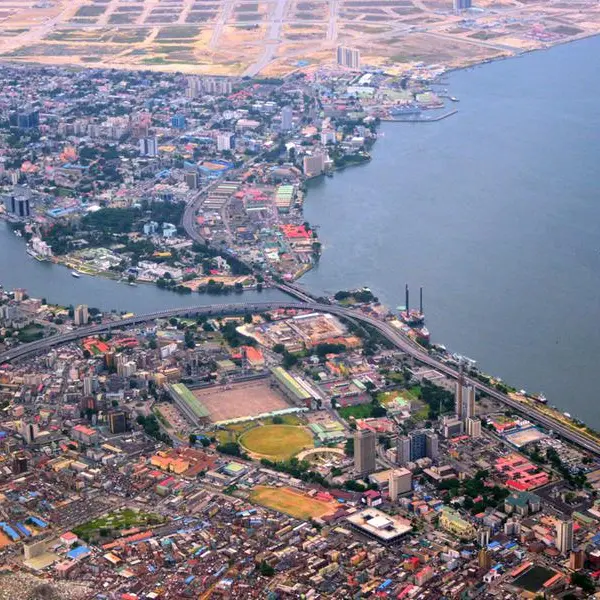
Representatives of the federal government, De-Sadal Nigeria Ltd, and China Liancai Petroleum Investment Holdings Ltd, said that construction would soon begin on the 4,000-kilometre network linking Lagos, Abuja, Kano, and Port Harcourt.
He added that $55 billion of the funds earmarked for the first phase is available, and partial operations could begin before full completion.
Sa’idu Alkali, Minister for Transportation, confirmed that Nigeria’s Infrastructure Concession Regulatory Commission (ICRC) has approved the outline business case, before submission to the Federal Executive Council (FEC).
According to the outline, the 1,600-kilometre first phase will take 36 months to complete, although passengers on some routes—such as Lagos to Lokoja—could begin enjoying the bullet train much earlier.
The train is expected to enhance activity on the Lagos, Abuja, Kano, and Port Harcourt corridor, facilitate movement, increase property values, boost tourism, and raise the gross domestic product (GDP) of these areas, according to logistics expert Alomikhena Adamu.
© Copyright 2022 Nation Media Group. All Rights Reserved. Provided by SyndiGate Media Inc. (Syndigate.info).